China is leading the development race in Southeast Asia as traditional donors like the United States and United Kingdom step away from the region, according to a new Lowy Institute report.
The third edition of the Southeast Asia Aid Map shows China increased its regional development spend in 2023 for the first time in three years.
“The lack of Western and European money going into Southeast Asia is a real problem,” says Grace Stanhope, a research associate at the Lowy Institute.
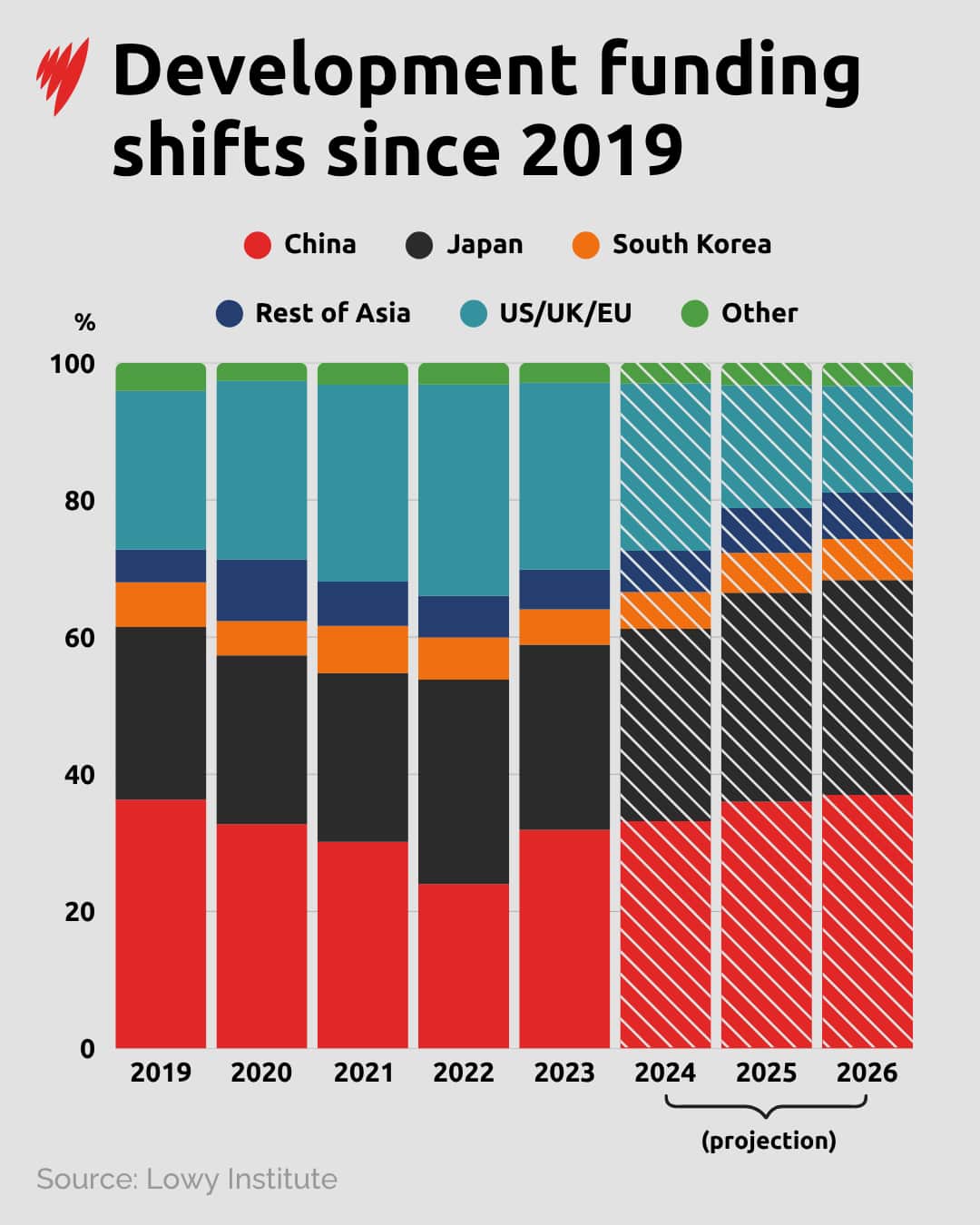
“We’re projecting a 20 per cent drop in bilateral foreign aid to the region by 2026.”
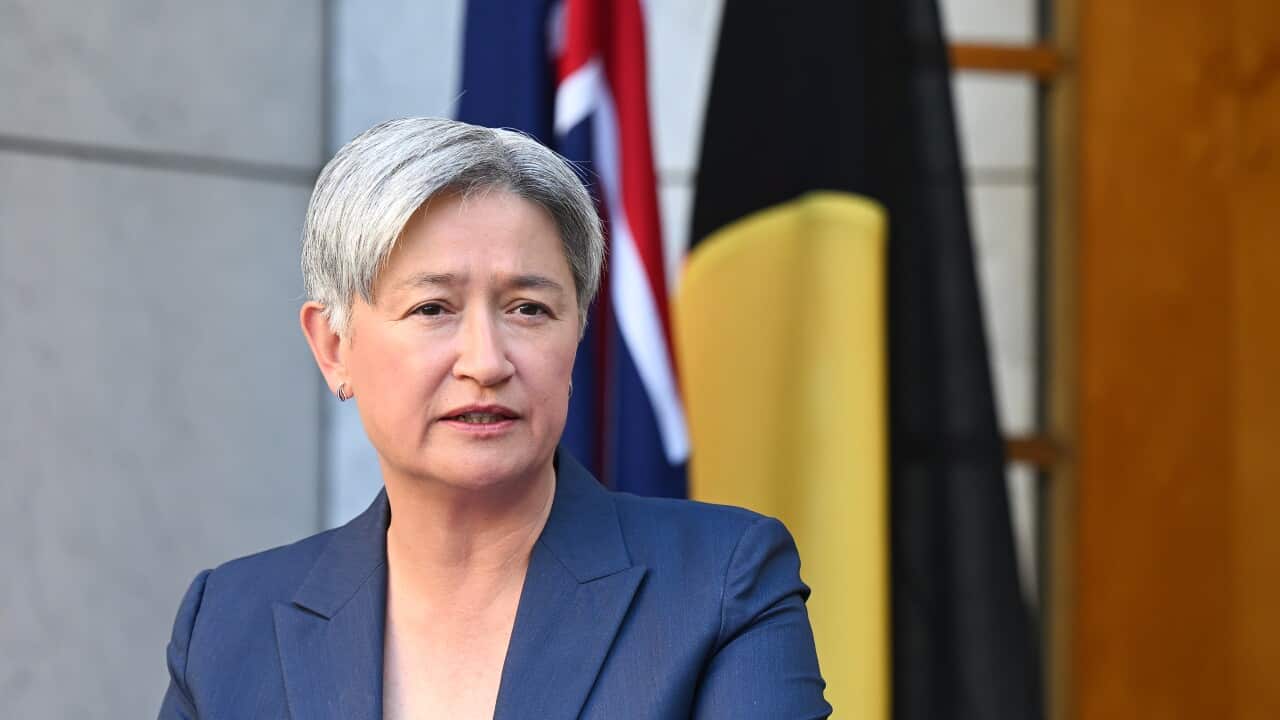
Writing shortly after the 2025 federal election, the Lowy Institute’s Grace Stanhope said the re-elected Albanese government would “have to move fast” if it wanted to increase Australia’s influence in Southeast Asia. Source: Supplied
China favours infrastructure, loans
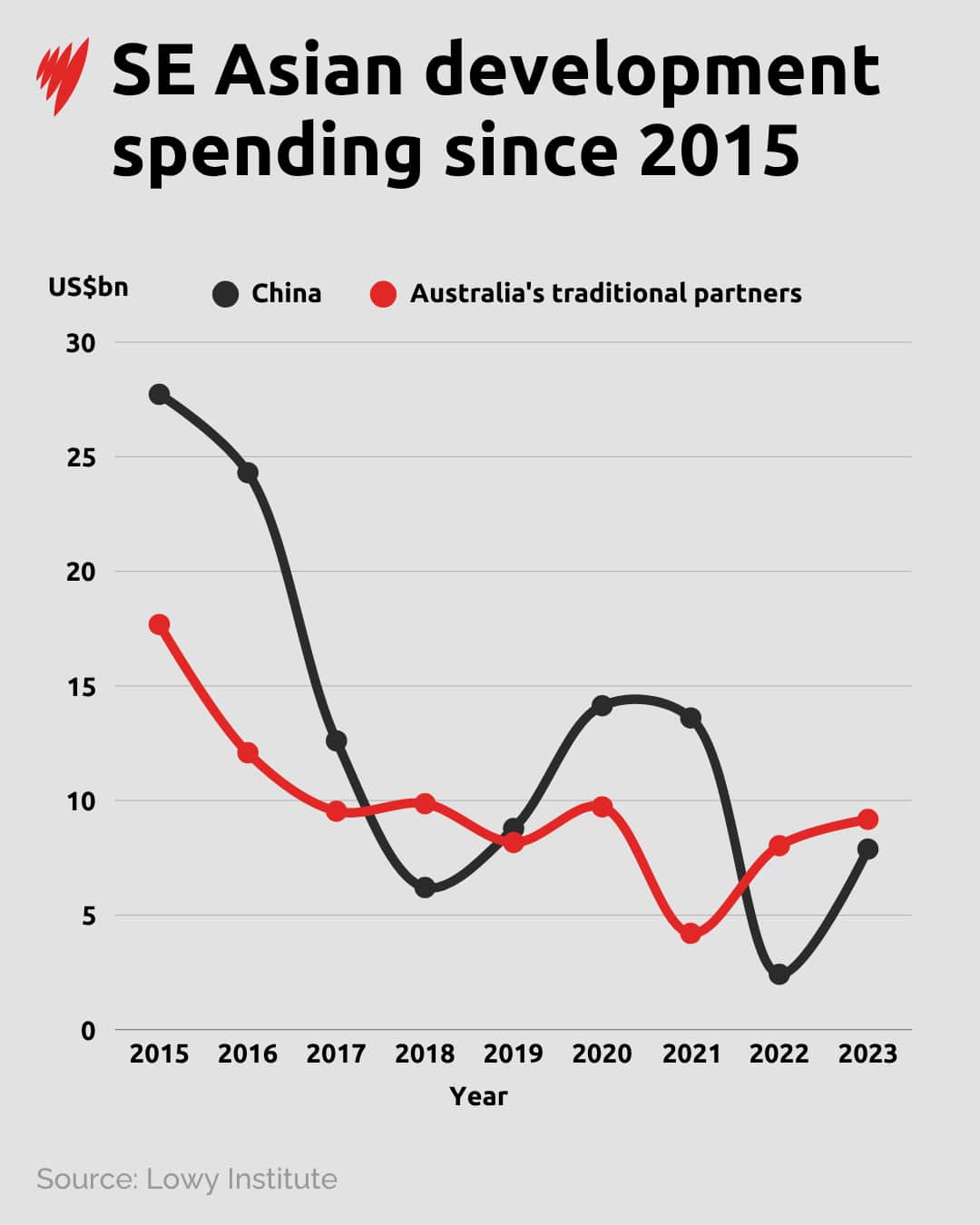
After reducing its annual Southeast Asian development spend by 68 per cent over five years, China boosted its financing in 2023.
The regional superpower is still favouring market-rate loans for infrastructure projects, with rail ventures in Indonesia and Malaysia accounting for most of the annual increase.
China is on track to overtake traditional partners in infrastructure spending, quadrupling its commitments from 2022 to 2023 through the revival of the Kyaukphyu Deep Sea Port Project in Myanmar.
Development spending committed by both China and Australia’s traditional partner nations to Southeast Asia has decreased since 2015. Source: SBS News
It’s the loans to the region’s poorest countries — like Myanmar, Laos, and Cambodia — that have some concerned.
“These countries have far less options in terms of other development providers, and also far higher development needs,” says Stanhope.
“Increasingly, these countries have little room to manoeuvre in their negotiations.”
Stanhope warns reduced competition could reduce domestic scrutiny on China’s funding.
“I think we can expect to see less pressure for reform in terms of China’s development finance offering if there are no viable alternatives.”
Most countries in the Indo-Pacific region have avoided high debt burdens taken on by other developing countries. Globally, a third of developing nations spend more on interest repayments than health each year.
“We don’t want countries in the Indo Pacific to be heavily indebted,” says Melissa Conley Tyler, executive director at the Asia Pacific Development Diplomacy and Defence Dialogue.
“That’s a huge problem if countries can’t provide the services that they need to their citizens because they’re paying back debt.”
Further cuts expected
The full impact of aid cuts is yet to be seen in the region.
The Lowy Institute says that will result in the “centre of gravity” shifting in Southeast Asian development financing.
Australia’s response
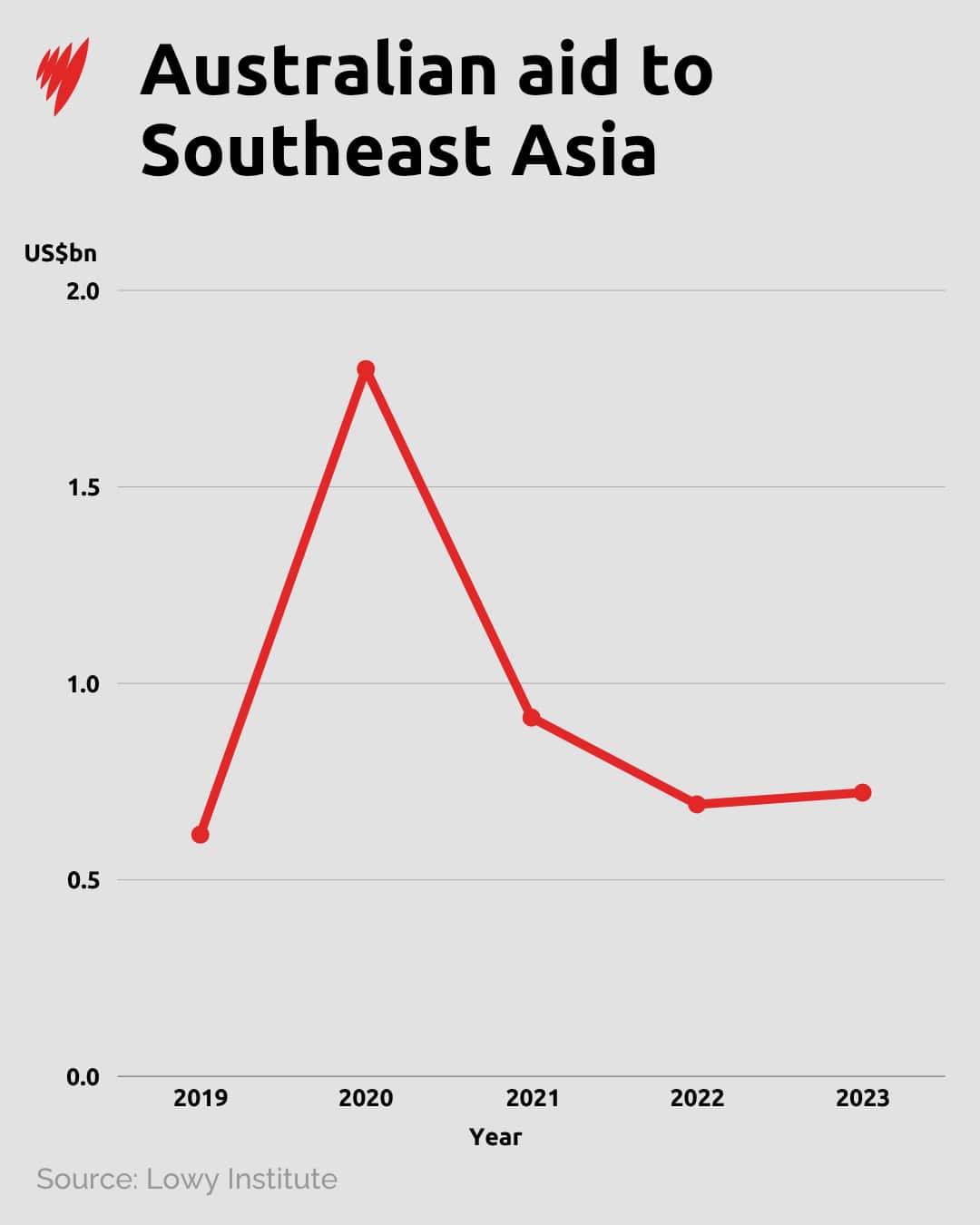
Australia increased its aid to Southeast Asia in 2023, with Labor committed to raising its international assistance budget annually in line with inflation.
Speaking after the ASEAN Leaders Summit earlier this month, Foreign Minister Penny Wong said Australia had “sought to pivot our aid to the [Indo-Pacific] region” in response to recent cuts.
“Some 75 cents in every dollar that Australia provides in development assistance is directed to our broader region;” said Wong. “We will continue to prioritise that.”
Conley-Tyler says it’s critical for Australia to maintain that focus.
“If you have a pandemic or animal diseases, if you have climate migration, all of those things are going to matter greatly to Australia,” she says.
“We would, of course, prefer to live in a region that is secure and stable and prosperous. And so the money we put into things like our development assistance is helping on our national interest in that.”