
[ad_1]
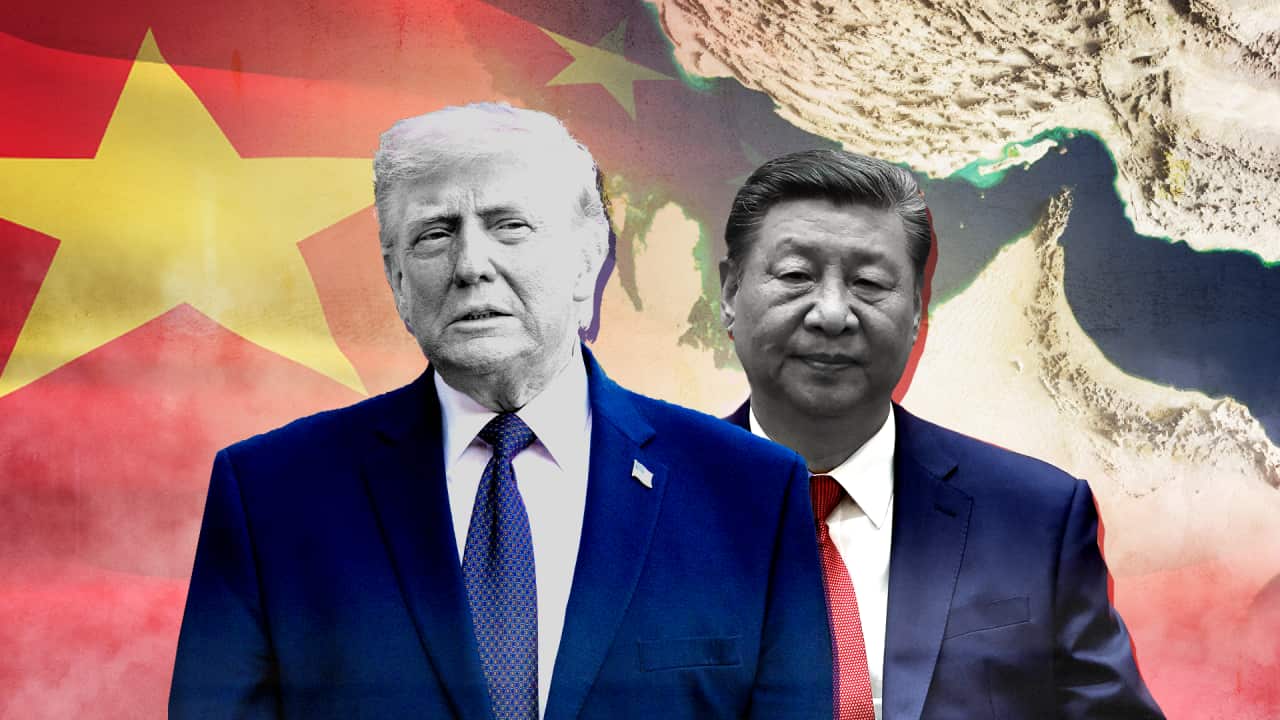
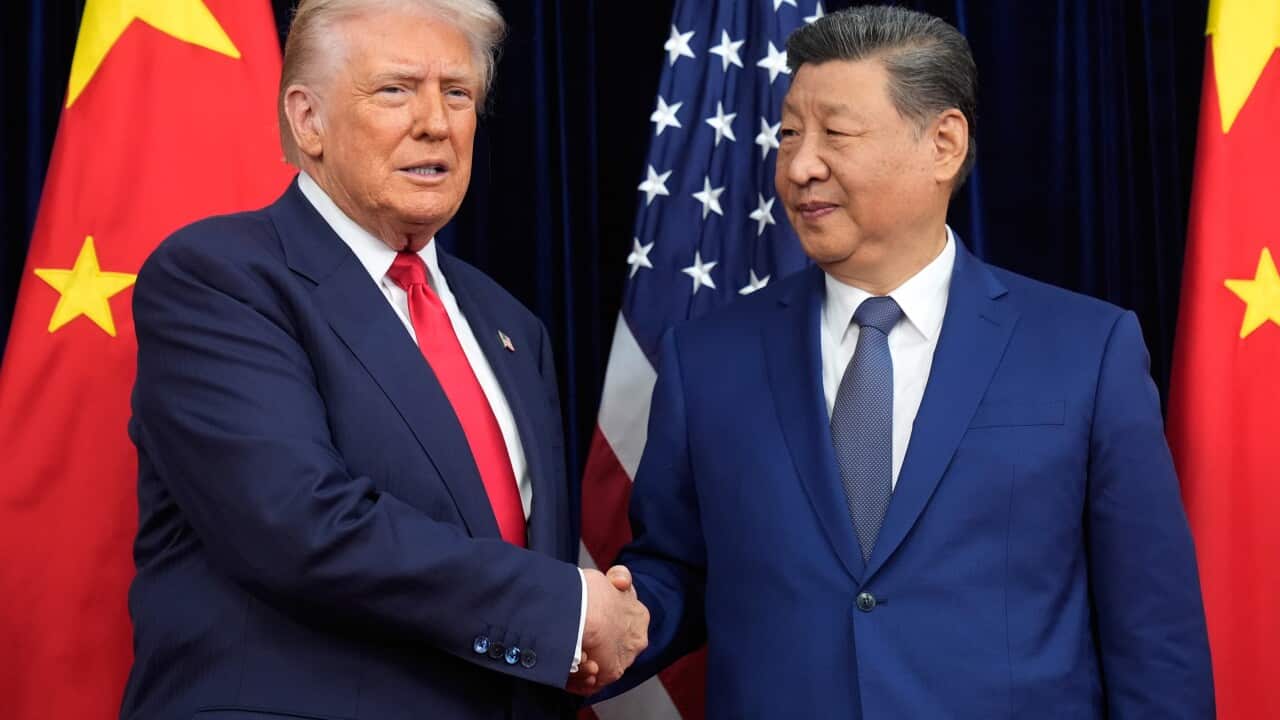
Chinese President Xi Jinping and his US counterpart, arguably the two most powerful people in the world, had nothing to say to the press and drove off after their meeting on the sidelines of the Asia-Pacific Economic Cooperation (APEC) summit.
The meeting between Donald Trump and the Chinese leader caps off the US president’s whirlwind trip across Asia.
“We are going to have a very successful meeting, I have no doubt. But he is a very tough negotiator,” Trump said as he shook hands with Xi in the southern port city of Busan, adding the pair might sign a trade deal on Thursday.
As they sat down with their delegations to start talks, Xi told Trump, via a translator, that it was normal for the two leading economies of the world to have frictions now and then.
“A few days ago … our two economic and trade teams reached basic consensus on addressing our respective major concerns and made encouraging progress … I am ready to continue working with you to build a solid foundation for China-US relations,” Xi said.
Trump has repeatedly expressed optimism about reaching an agreement with Xi during the talks, buoyed by a breakthrough in trade talks with South Korea on Wednesday.
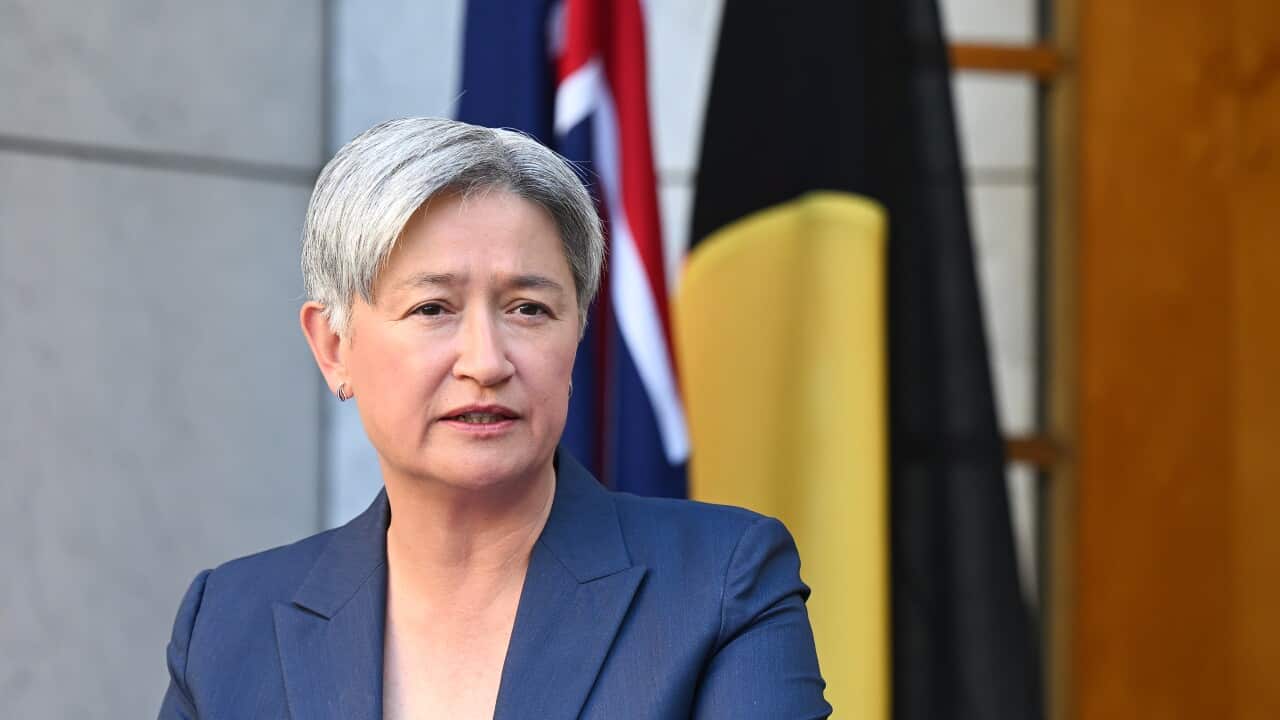
Earlier, Prime Minister Anthony Albanese expressed hope for a truce in the trade tensions between the world’s two largest economies.
Albanese, also at the APEC summit, said he’s hopeful the US-China talks will amount to a “positive outcome”.
“The United States and China have an important role as the two major economic powers that exist in our region,” he said on Thursday.
“These are important relationships for Australia.”
“We want to see less tension in trade, and we want to see a positive outcome going forward”.
A new Cold War
But with both countries increasingly willing to play hardball over areas of economic and geopolitical competition — which analysts see as a new Cold War — many questions remain about how long any trade detente may last.
The trade war reignited this month after China proposed dramatically expanding curbs on exports of rare earth minerals, a sector it dominates.
Trump vowed to retaliate with additional 100 per cent tariffs on Chinese exports, and with other steps, including potential curbs on exports to China made with US software — moves that could have upended the global economy.
“THE G2 WILL BE CONVENING SHORTLY,” Trump posted on Truth Social shortly before landing in Busan.
In a separate post, he said the US would step up testing of nuclear weapons immediately, noting China’s growing arsenal. Trump declined to respond to a reporter’s question on the post at Thursday’s meeting.
After a weekend scramble among top trade negotiators, US treasury secretary Scott Bessent said he expected China to delay the rare earth controls for a year and to revive purchases of US soybeans, critical to American farmers, as part of a “substantial framework” to be agreed by the leaders.
Ahead of the summit, China bought its first cargoes of US soybeans in several months, Reuters reported on Wednesday.
Regional strategic tensions, particularly over Taiwan, a US partner and high-tech powerhouse, are another ominous backdrop to the summit. Although Trump indicated he did not plan to raise the issue of Taiwan’s security with Xi.
China claims Taiwan as its own territory, which should be taken by force if necessary. Taiwan says it is an independent country and will defend its freedoms and democracy, blaming China for tensions.
Chinese state media reported Chinese H-6K bombers recently flew near Taiwan to practise “confrontation drills”.
US secretary of state Marco Rubio said Taiwan should not be concerned about the US-China talks, despite some experts expressing fears that Trump might offer concessions over the island.
The US is required by its own law to provide Taiwan with the means to defend itself.
[ad_2]
Source link