[ad_1]
Key Points
- Russia welcomed Trump’s new US National Security Strategy, saying it aligns with the Kremlin’s own strategic views.
- The Kremlin also welcomed a pledge to curb the perception of NATO as a “perpetually expanding alliance”.
- The document identifies ending the war in Ukraine as a core interest, and seeks strategic stability with Russia.
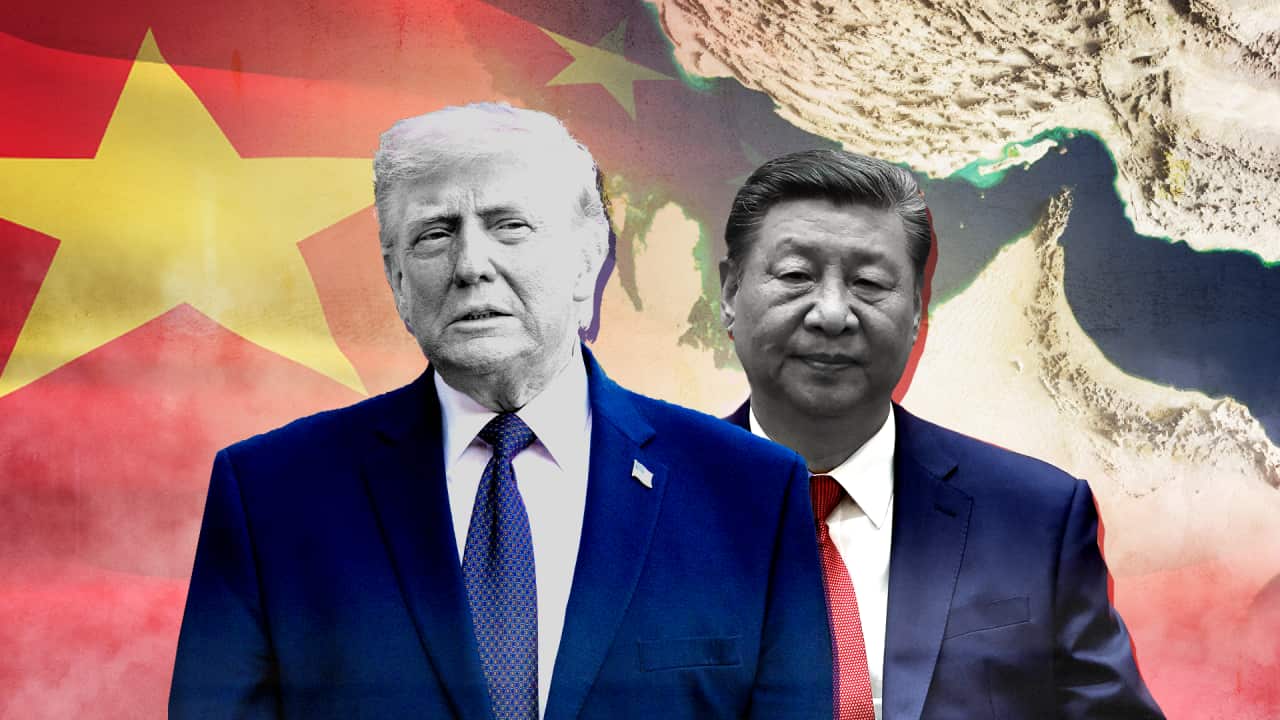
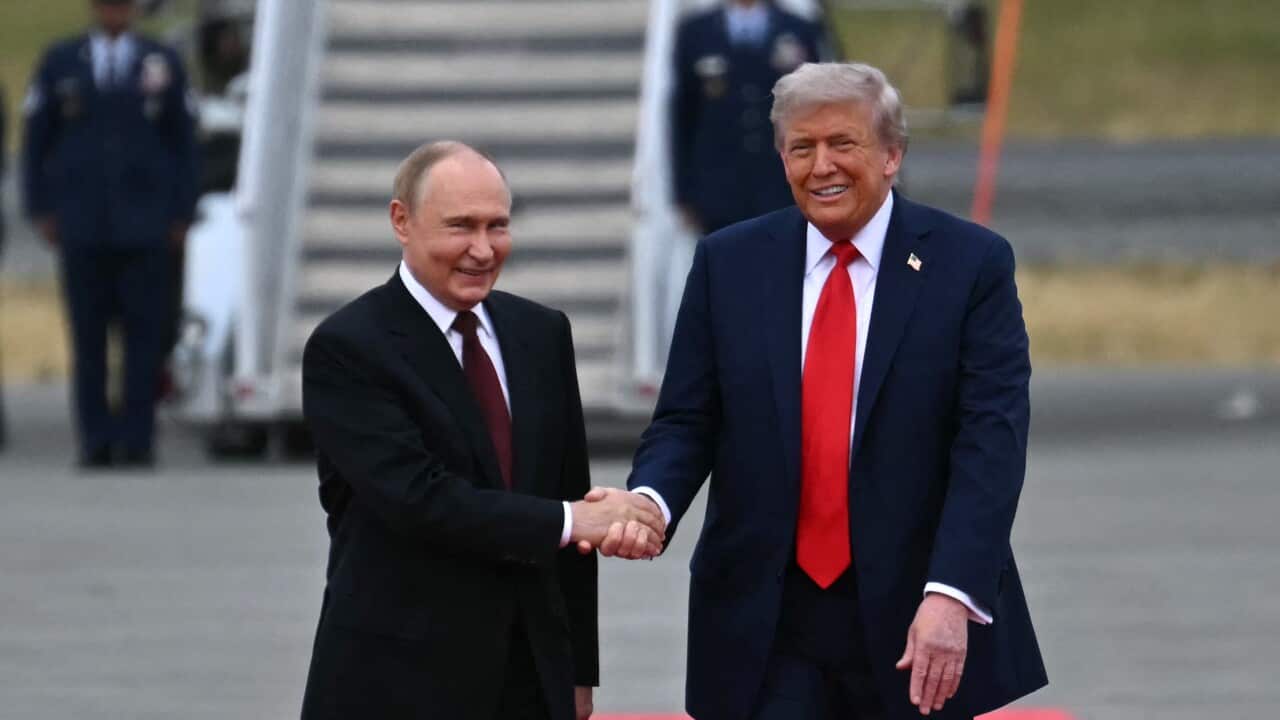
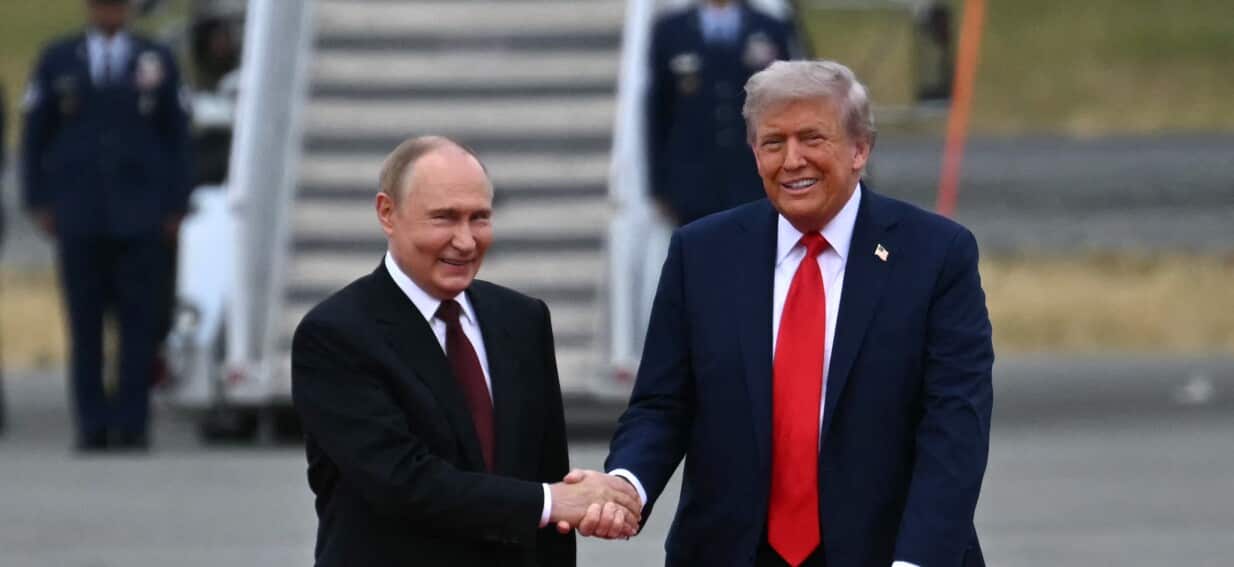
The Kremlin welcomed US President Donald Trump’s new national security strategy and said it largely accorded with Russia’s own perceptions, the first time the Russians have so fulsomely praised such a document from its former Cold War foe.
The US National Security Strategy described Trump’s vision as one of “flexible realism” and argued that the US should revive the 19th century Monroe Doctrine, which declared the Western hemisphere to be Washington’s zone of influence.
The strategy, signed by Trump, also warned that Europe faces “civilizational erasure”, that it was a “core” US interest to negotiate an end to the war in Ukraine, and that the US wanted to reestablish strategic stability with Russia.
“The adjustments that we see correspond in many ways to our vision,” Kremlin spokesman Dmitry Peskov told state television reporter Pavel Zarubin when asked about the new US strategy.
Such fulsome public agreement between Moscow and Washington on the tectonic plates of global politics is rare, though they did cooperate closely after the 1991 fall of the Soviet Union on returning nuclear weapons from former Soviet republics to Russia, and after the deadly September 11 attacks on the United States.
During the Cold War, Moscow portrayed the United States as a decadent capitalist empire doomed by the historical certainties of Marxism, while US Ronald Reagan in 1983 called the Soviet Union an “evil empire” and the “focus of evil in the modern world”.
After the Soviet Union collapse, Russia expressed hopes for a partnership with the West but as Washington moved to support the enlargement of the NATO alliance, as outlined in President Bill Clinton’s 1994 strategy, tensions began to mount.
They were pushed to breaking point under President Vladimir Putin, who rose to the top Kremlin job on the last day of 1999.
Asked about the pledge in the US document to end “the perception, and preventing the reality, of the NATO military alliance as a perpetually expanding alliance”, the Kremlin’s Peskov said it was encouraging.
But Peskov also cautioned that what he said was the US “deep state” saw the world differently to Trump, who has used the term to refer to an allegedly entrenched network of US officials who seek to undermine those who challenge the status quo, including Trump himself.
Critics of Trump say there is no such thing as a “deep state”, and that Trump and his allies are trafficking in a conspiracy theory to justify an executive-branch power grab.
[ad_2]
Source link