Thailand’s leader has vowed to keep fighting Cambodian forces along the two countries’ border despite United States President Donald Trump’s claim he had brokered a fresh ceasefire.
Thai Prime Minister Anutin Charnvirakul posted on Facebook that the Southeast Asian nation would “continue to perform military actions until we feel no more harm and threats to our land and people”.
Trump said he had struck a deal after speaking to the leaders of both countries on Friday but neither leader referenced an agreement in statements after the call. Anutin said afterwards there was no ceasefire.
“I want to make it clear. Our actions this morning already spoke,” Anutin said on Saturday.
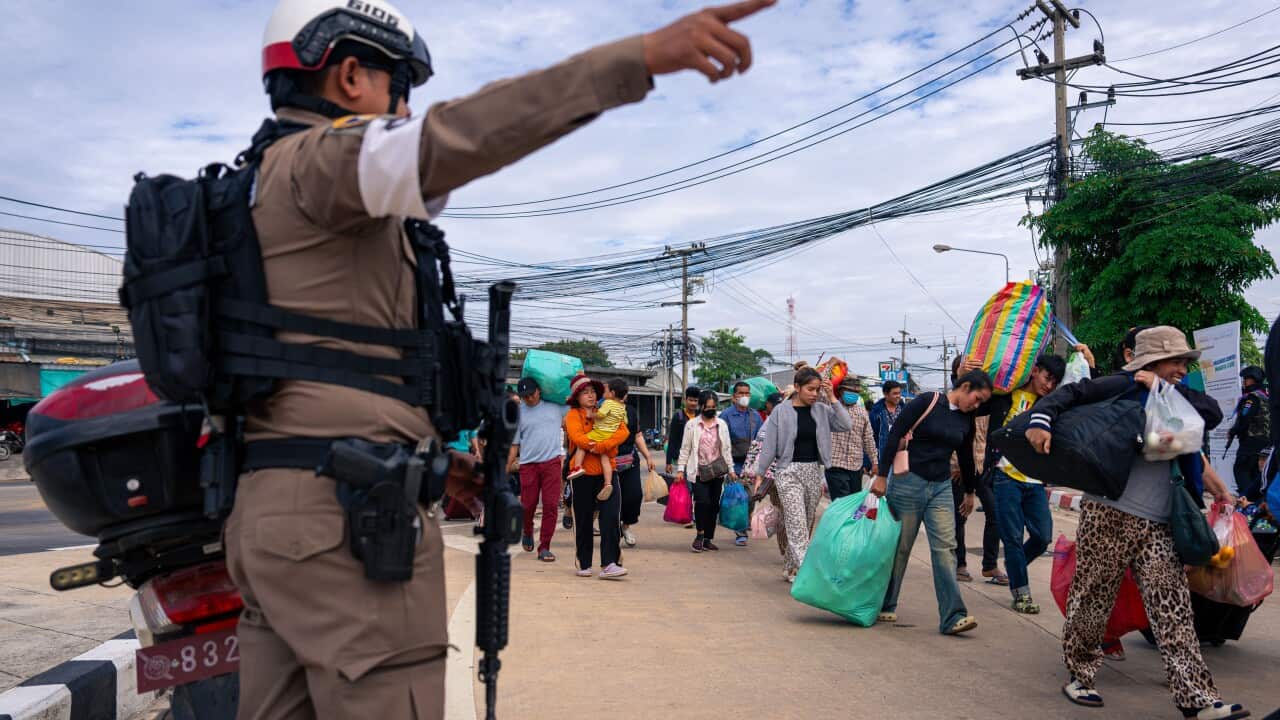
On Saturday, during a media conference, Thai defence ministry spokesperson Rear Admiral Surasant Kongsiri said new clashes had taken place across seven border provinces and Cambodia had fired heavy weapons, “making it necessary for Thailand to retaliate”.
Thailand’s military also accused Cambodia of committing “repeated violations of international rules” by targeting civilian locations and laying landmines.
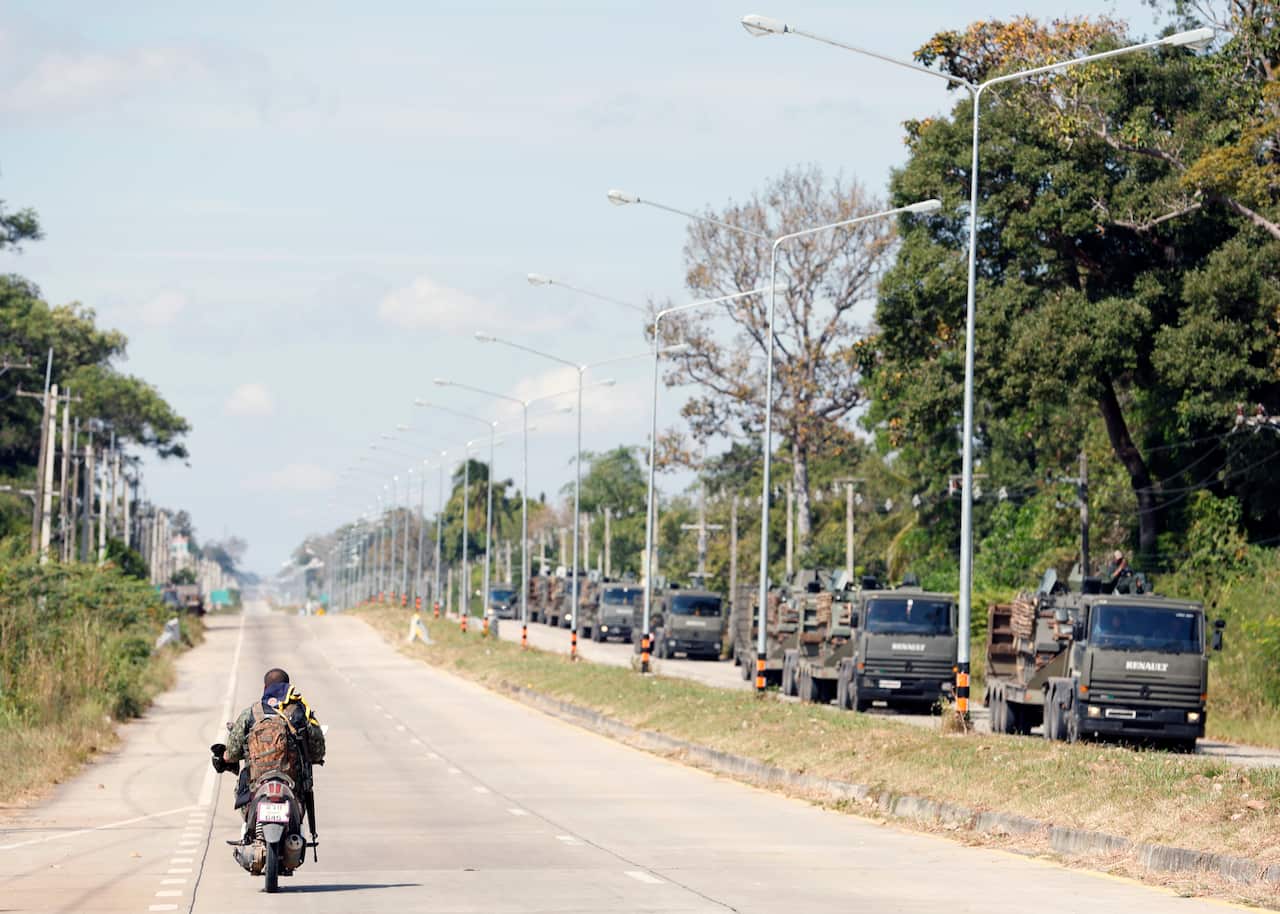
A Thai soldier patrols on a motorbike next to a convoy of armoured military vehicles near the frontline of clashes in Kab Choeng district, Surin province, Thailand. Source: EPA / Rungroj Yongrit
Cambodia’s Ministry of Information in turn said Thai forces had struck bridges and buildings overnight and fired artillery from a naval vessel.
“Thai forces have not stopped the bombing yet and are still continuing the bombing,” the ministry said on Saturday.
In a statement on Saturday on Facebook, Cambodian Prime Minister Hun Manet referred to the call with Trump and an earlier discussion with Malaysian leader Anwar Ibrahim and said Cambodia continues to seek a peaceful resolution of disputes in line with an earlier agreement signed in the Malaysian capital of Kuala Lumpur in October.
However, Manet said he advised the US and Malaysia to use their intelligence gathering capabilities to “verify which side fired first” in the latest round of fighting.
The White House did not immediately respond to a request for comment on the continued fighting.
Despite the deal, the two countries carried on a bitter propaganda war and minor cross-border violence continued.
Since Monday, Cambodia and Thailand have been firing rockets and artillery at multiple points along their disputed 817-km border, in some of the heaviest fighting since the five-day clash in July, which Trump halted with calls to both leaders.
Historical tensions
The roots of the Thai-Cambodian border conflict lie in a history of enmity over competing territorial claims. These claims largely stem from a 1907 map created while Cambodia was under French colonial rule, which Thailand maintains is inaccurate.
Tensions were exacerbated by a 1962 International Court of Justice ruling that awarded sovereignty to Cambodia, which still riles many Thais.
Thailand has deployed jet fighters to carry out airstrikes on what it says are military targets. Cambodia has deployed BM-21 rocket launchers with a range of 30-40km.
According to data collected by public broadcaster ThaiPBS, at least six of the Thai soldiers who were killed were hit by rocket shrapnel.
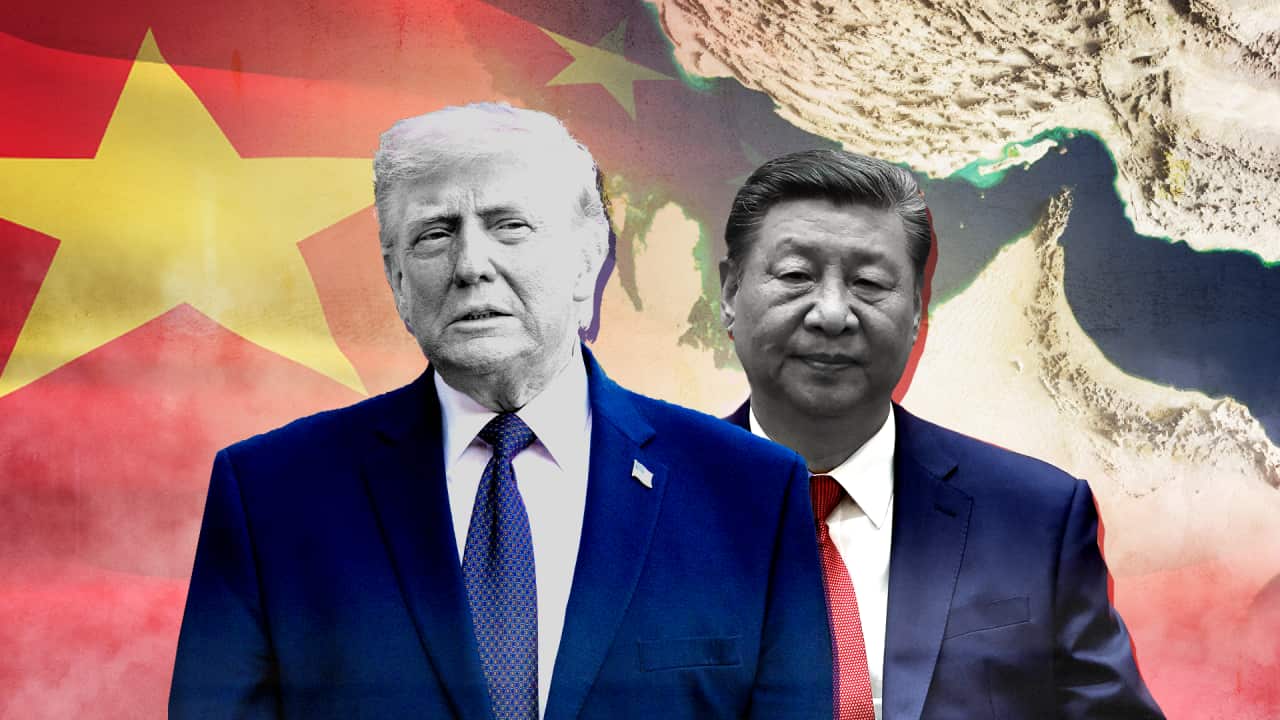
Trump has repeatedly made the exaggerated claim that he has helped solve eight conflicts, including the one between Thailand and Cambodia, since returning to office in January, as evidence of his negotiating prowess. And he’s not been shy about his desire to be recognised with a Nobel Peace Prize.
In an exchange with reporters on Wednesday, he expressed confidence that he could get the two sides back to a truce.
“Every once in a while,” Trump said, “one will flame up again and I have to put out that little flame”.
— Reporting by the Associated Press and Reuters via the Australian Associated Press