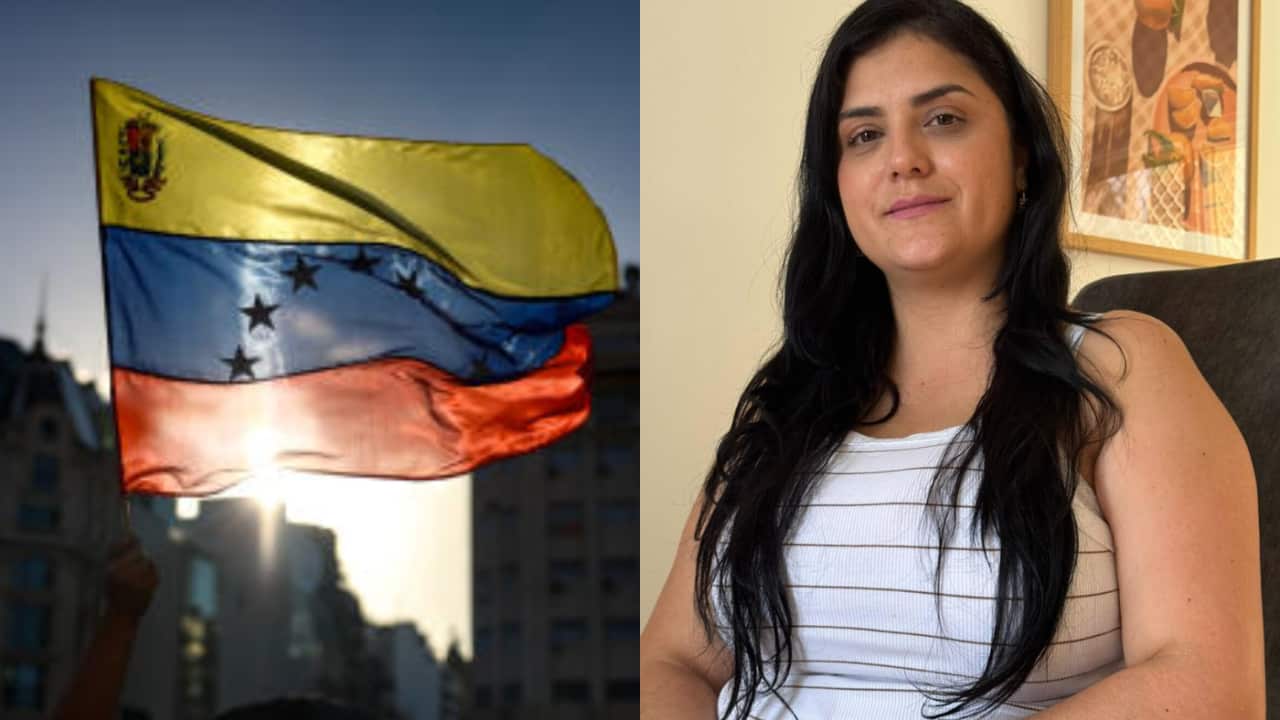
Maria Fernanda Garcia Brito was sitting on the couch in her Sydney home when she received a panicked call from her mother in Venezuela.
“My mum called me worried because she could hear a lot of helicopters, and a lot was going on, and [she] was uncertain,” the Venezuelan-Australian woman told SBS News.
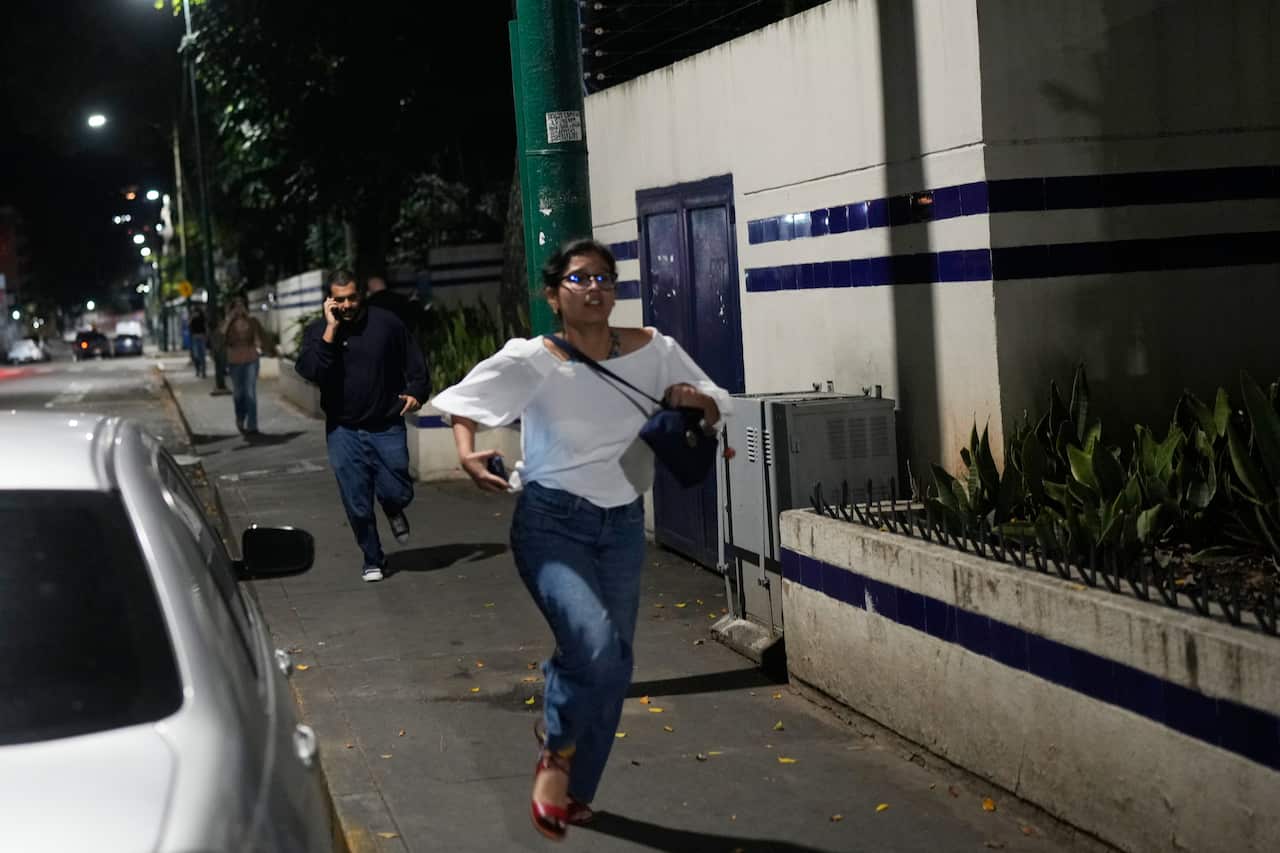
Pedestrians run after explosions and low-flying aircraft were heard in Venezuela’s capital of Caracas in the early hours of 3 January 2026. Source: AP / Matias Delacroix
For Garcia Brito, the developments drew mixed emotions — concern for the safety of loved ones, amidst hope for the future.
“I was alleviated, and the reality that things were gonna change with Venezuela. I felt joy because it was a first step for Maduro to be captured,” she said.
“I feel insecure for my family and my friends because the actual government … is seeking violence.”
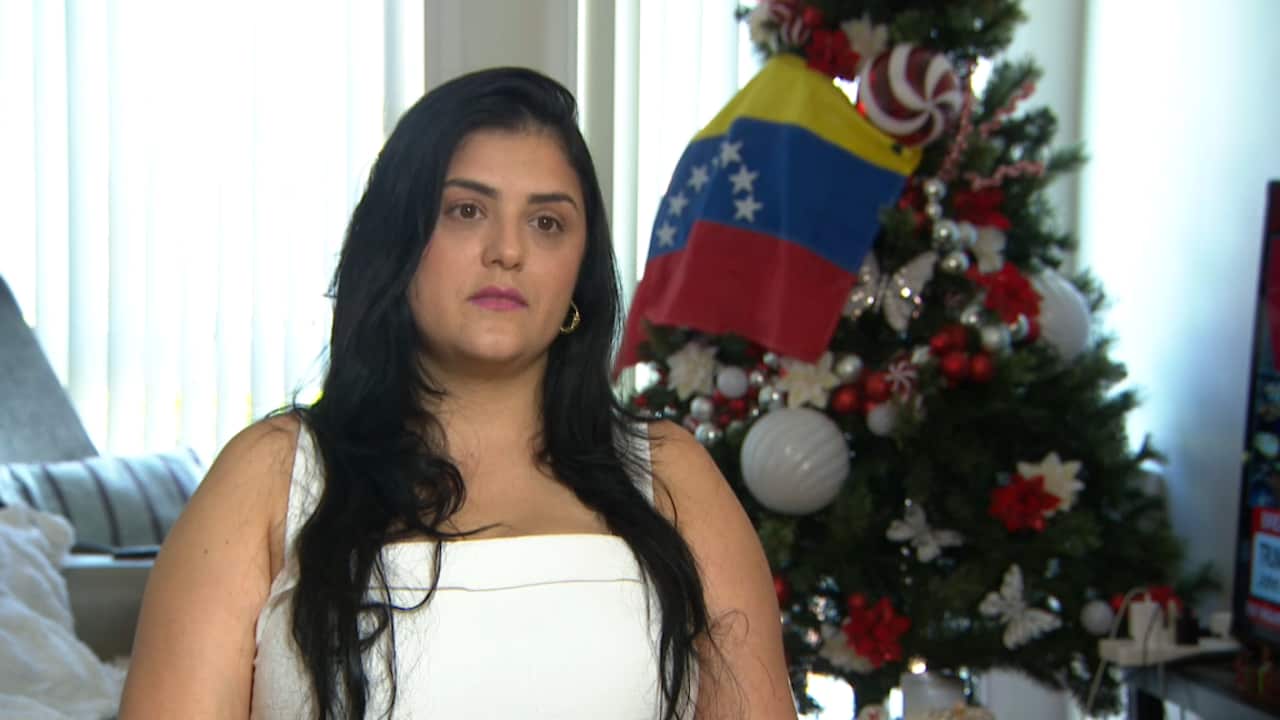
Sydney resident Maria Fernanda Garcia Brito is concerned for loved ones in Venezuela following the US operation in her home country. Credit: SBS News
Unclear whether Australians affected in Venezuela
She’s not the only one concerned about the fate of family and friends following the US strikes.
The official numbers of the casualties from the US attack on Venezuela have not been confirmed yet, but the New York Times has reported that at least 40 people were killed, according to an unnamed Venezuelan official.
The number of Australians currently in Venezuela is unknown.
A spokesperson of the Department of Foreign Affairs and Trade (DFAT) has told SBS News that DFAT is taking steps to determine whether any Australians were affected by the US attacks.
Australia does not have an Embassy in Venezuela, making DFAT’s ability to provide consular assistance severely limited.
More than 6600 people born in Venezuela are living in Australia, according to the 2021 census.
‘Familiar with heartbreak’
Genesis Lindstrom, the president of the Venezuelan Association of Australia, has several relatives back home who she said went through “some pretty scary moments”.
“It was devastating. It’s something that the community … has been experiencing over the last two decades,” she said.
“We are somewhat familiar with the heartbreak that it is to see our families suffer on the other side of the world and not being able to do anything but send good wishes and pray for them.”
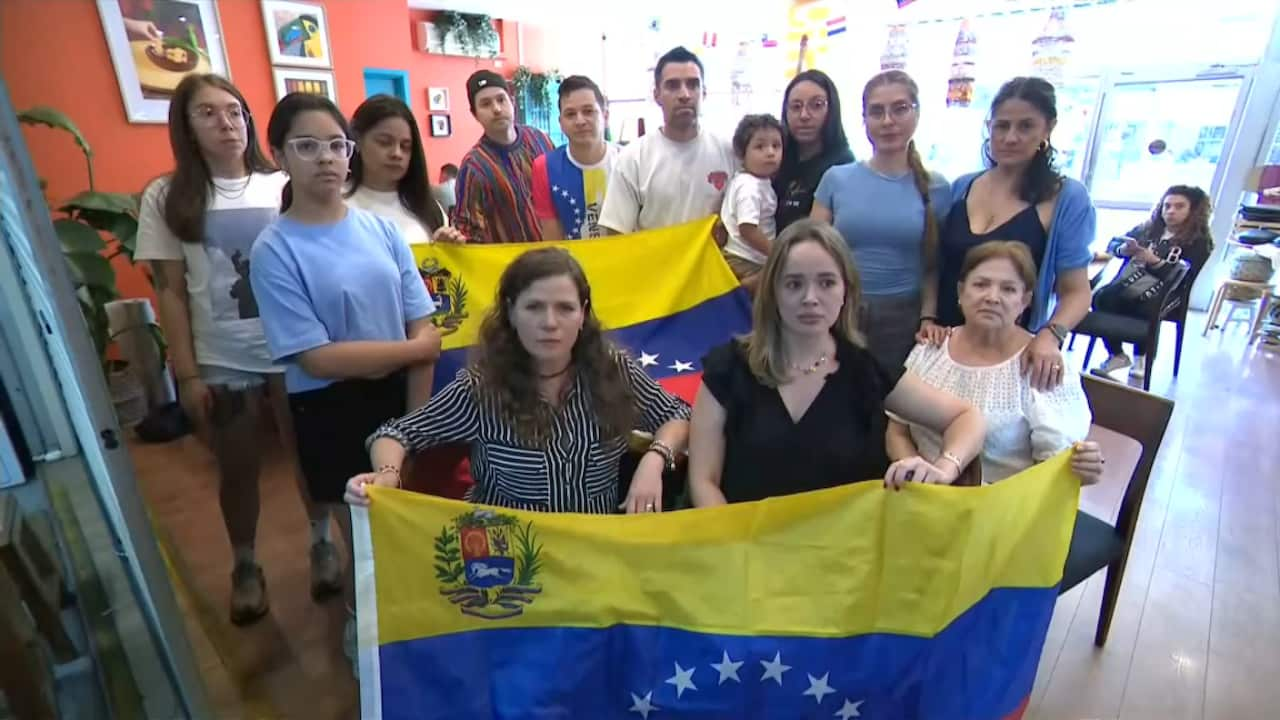
Lindstrom was among members of the community who gathered in a Venezuelan restaurant in Melbourne on Sunday to share their feelings.
The community gathered in Papelon, a Venezuelan restaurant in Melbourne one day after the US attacks.
After the attack, US President Donald Trump said the US will “run” Venezuela for a time, “until such time as the proper transition can take place”.
Lindstrom said the attacks were “a lot more complex than saying you supported or not”. She said the community had been seeking a democratic transition of power for decades.
“We are now calling for the liberation of political prisoners, over around 1,000 people, including teenagers, who are in prison unjustly and kept in inhumane conditions,” she added.
Greens denounce ‘gross breach of international law’
Prime Minister Anthony Albanese has responded to the US airstrikes by supporting “international law and a peaceful, democratic transition in Venezuela that reflects the will of the Venezuelan people.”
“Australia has long held concerns about the situation in Venezuela, including the need to respect democratic principles, human rights and fundamental freedoms,” Albanese said on Sunday.
Opposition Leader Sussan Ley and opposition foreign affairs spokeswoman Michaelia Cash have welcomed the news of Nicolas Maduro being taken into custody in the US.
Greens foreign affairs spokesperson David Shoebridge has described the US action as “a gross breach of international law” that puts the world on a “dangerous path of lawless aggression”.
Lindstrom said she welcomes Albanese’s comments.
“Being so far away and with not the closest of trade and economic relationships with Venezuela, the Australian government’s response, sometimes it’s something that we can feel like we are needing,” she said.
“We’re needing to create noise.”