
[ad_1]
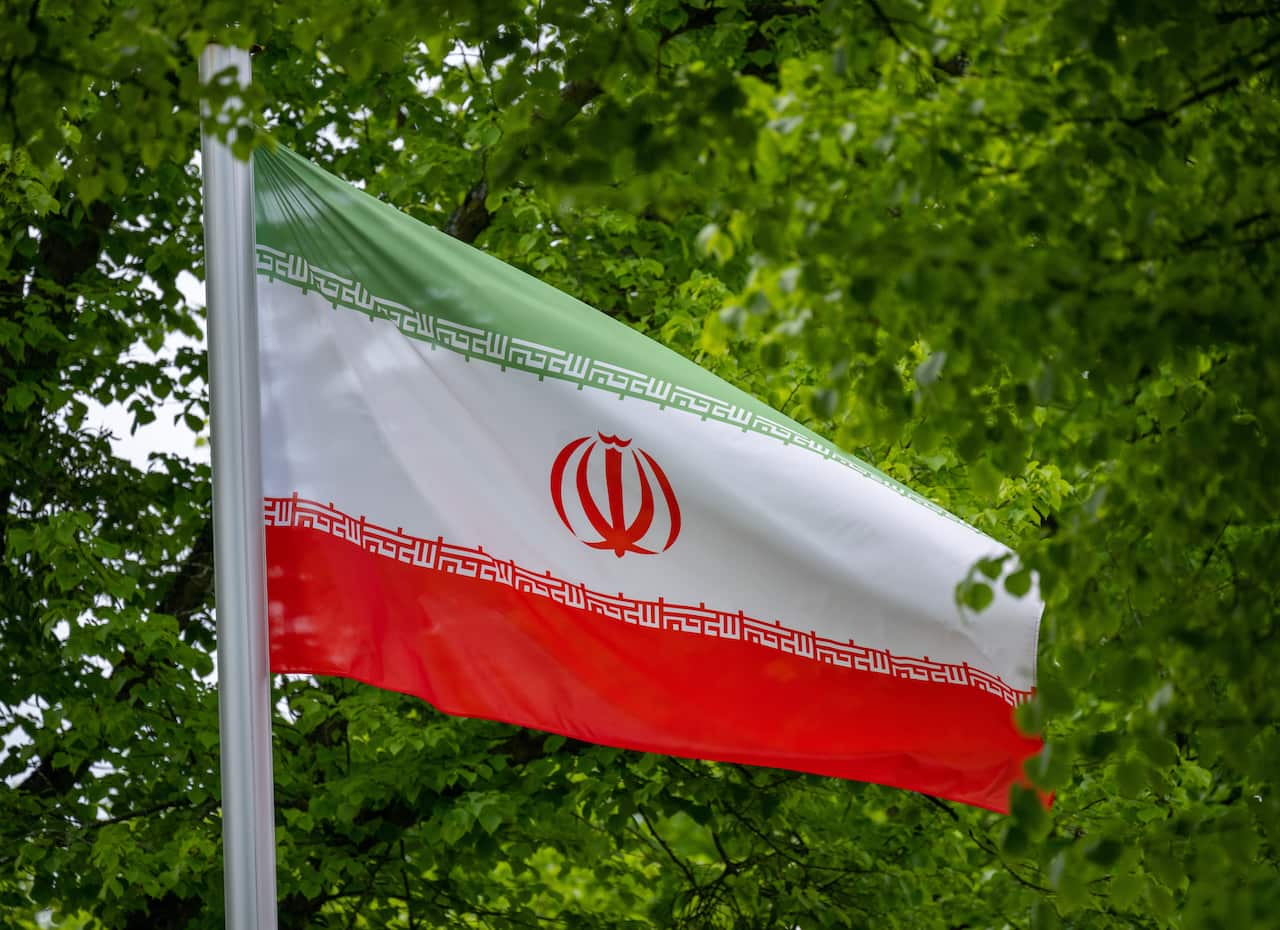
Australia has imposed a new round of targeted sanctions on Iran, applying financial restrictions and travel bans to 20 individuals and three entities allegedly linked to repression, violence against civilians and destabilising activity.
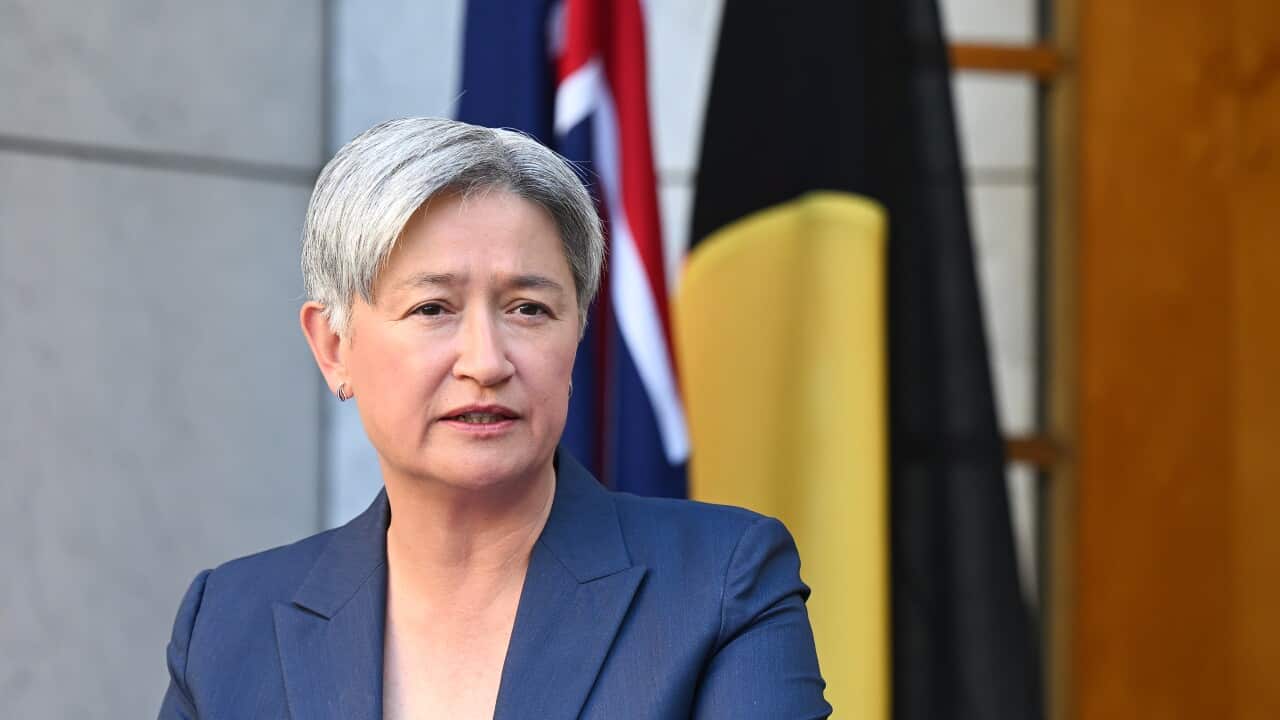
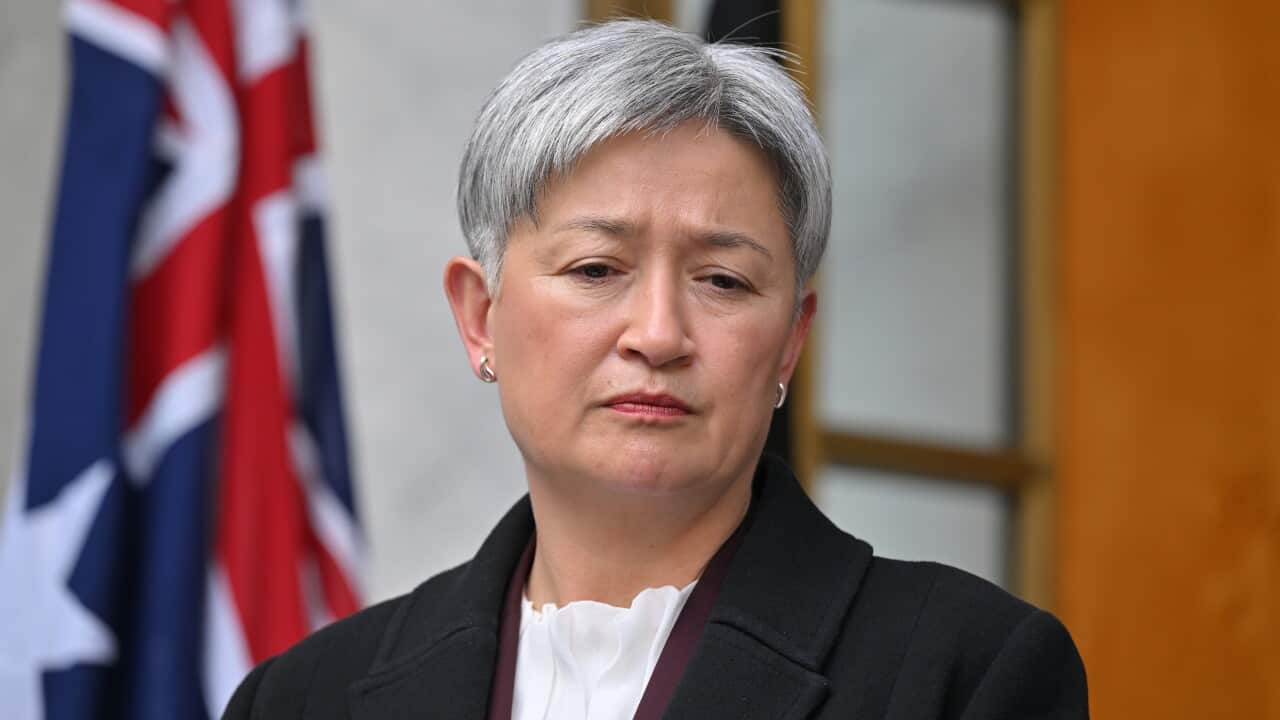
Foreign Minister Penny Wong said the sanctions responded to the regime’s “horrific use of violence against its own people”, including the killing of thousands of Iranians since late December 2025, the mass arrests of protesters, and nationwide internet and telecommunications blackouts aimed at concealing the scale of the crackdown.
The US-based organisation Human Rights Activists News Agency estimates over 6,000 protesters were killed by the regime, though Iranian officials said the number is close to 3,000.
The measures, which took effect on Tuesday, targeted senior figures and organisations associated with Iran’s Islamic Revolutionary Guard Corps (IRGC).
The three listed entities were the Cyber Defence Command of the Islamic Revolutionary Guard Corps, the Islamic Revolutionary Guard Corps Quds Force Unit 840, and the Islamic Revolutionary Guard Corps Intelligence Organisation.
Wong said the measures reaffirm Australia’s commitment to standing with the Iranian people, saying it builds on the decision made last year to designate the IRGC as a terrorist entity.
The individuals and entities sanctioned had contributed to Iran’s nuclear or missile programs, or to have been complicit in the oppression of women and girls, the broader repression of the Iranian population, or the erosion of the rule of law, Wong said.
The Albanese government has now sanctioned more than 200 Iranian individuals and entities across multiple sanctions frameworks, including more than 100 with links to the IRGC, it said in a statement on Tuesday.
Australia’s sanctions framework
Australia’s sanctions regime combines its obligations as part of the United Nations, with autonomous measures designed to respond to serious international security threats and human rights abuses.
UN sanctions relating to Iran are incorporated into Australian law, while autonomous sanctions allow the government to apply targeted pressure where further action is considered necessary.
The new raft of sanctions falls under the latter category, and they are only the latest round in a series of sanctions Australia has imposed in response to Iran’s conduct.
In May 2024, sanctions were imposed on senior officials, individuals and entities linked to Iran’s missile and Unmanned Aerial Vehicle programs, including the IRGC Navy.
In September of that year, additional sanctions marked the second anniversary of Mahsa Jina Amini’s death, targeting officials involved in the violent suppression of protests and highlighting the deteriorating situation for women and girls in the country.
In a statement at the time of the September listings, Wong said: “Mahsa Jina Amini’s death galvanised months of protests in Iran, which were brutally quashed by Iranian security forces.”
She said those sanctioned included “senior security and law enforcement officials who have been complicit in the violent repression of protests in Iran”.
In October, further measures targeted individuals connected to Iran’s missile program following large-scale ballistic missile launches.
Australia’s targeted sanctions on Iran aim to pressure the regime while minimising wider economic disruption, which has often been partly attributed to decades of Western sanctions.
Economic factors contributed to recent unrest in the country, though demonstrators expressed broad anti-regime grievances.
UK also intensifies sanctions pressure
The UK also imposed new sanctions this week, targeting 10 Iranian individuals and a state security body over what it said were violent crackdowns on peaceful protests.
Those measures included asset freezes, travel bans and director disqualification sanctions, and designated the Law Enforcement Forces of the Islamic Republic of Iran for its role in policing protests.
British foreign secretary Yvette Cooper said: “The Iranian people have shown extreme courage in the face of brutality and repression over recent weeks simply for exercising their right to peaceful protest.”
She added: “The reports and shocking scenes of violence that have been seen around the world are horrific.”
The UK action followed similar steps by the European Union and the United States last month.
For the latest from SBS News, download our app and subscribe to our newsletter.
[ad_2]
Source link