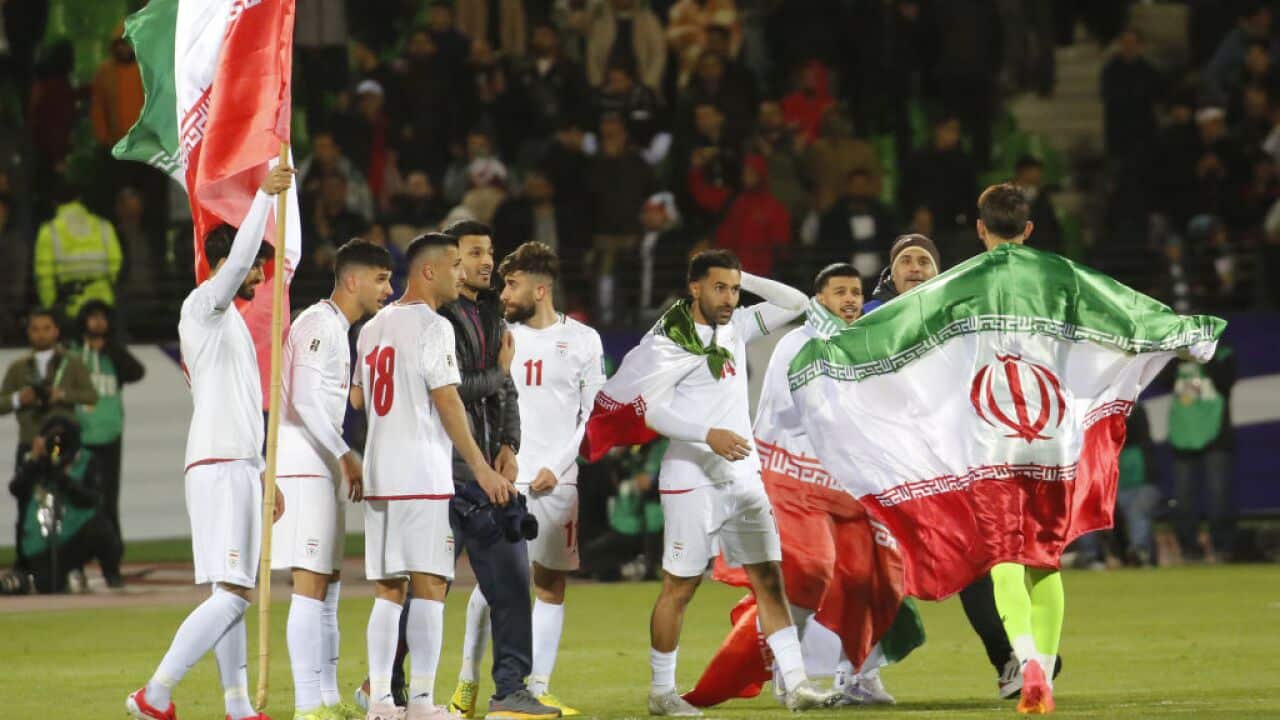


This article contains references to suicide, and descriptions of violence.
Watch American Veterans: The War Within on 7 April at 9.30pm AST on SBS and SBS On Demand.
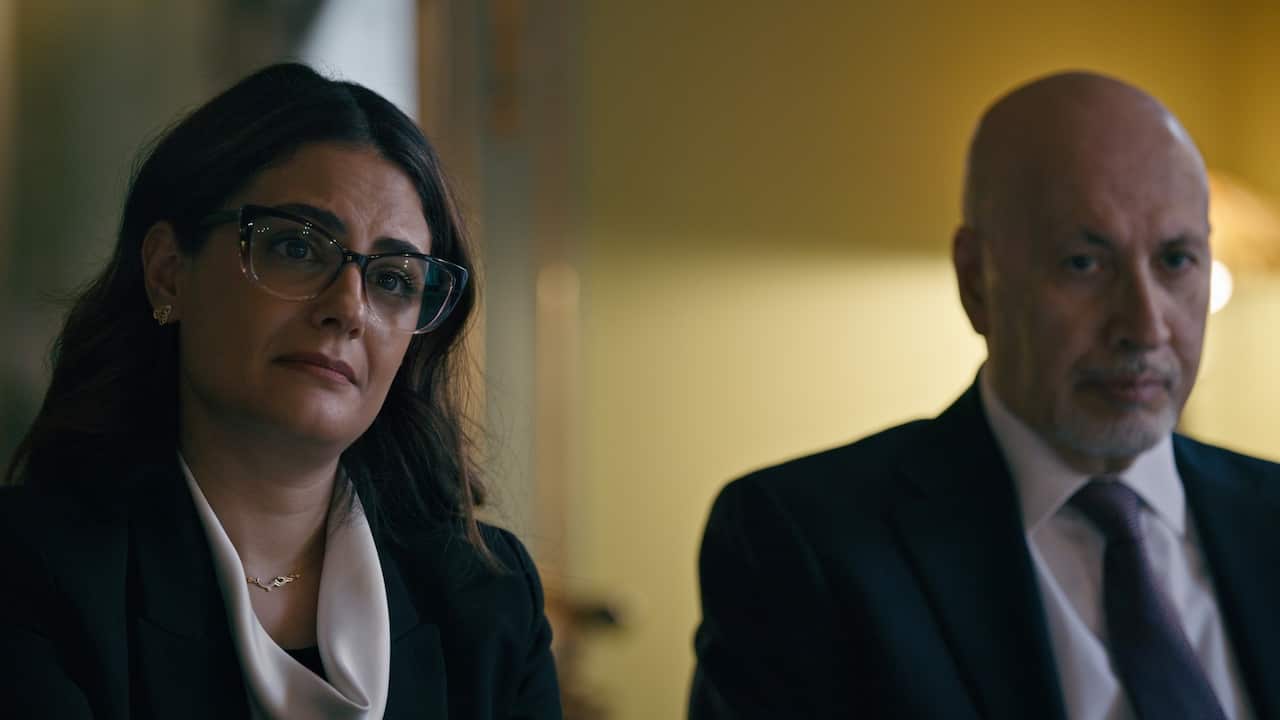
Sitting on opposite sides of a table, preparing for an uncomfortable conversation, are two groups brought together to confront a shared past.
On one side, US veterans who fought in Iraq. On the other, Iraqi civilians whose lives were changed by the actions of members of the United States military.
These two groups were assembled for a documentary connecting veterans with a community they may not have interacted with since they were in Iraq — an interaction that occurred under very different circumstances.
The US and its allies, including Australia, invaded Iraq on 20 March 2003 and remained there until the final US troops left in December 2011.
Among the Iraqis is Rasha, who grew up in Mosul, which saw some of the heaviest fighting of the war.
She recalled being scared to leave her home during the Iraq war, fearing not only hidden bombs, but also gunfire from US soldiers.
While seeking to empathise with the veterans, she didn’t shy away from confronting questions.
“I understand when you’re in combat and you’re in that moment, either my life or the life of anyone shooting, regardless of who that person is, you’re going to grab the weapon and shoot. That’s basic human instinct, and that’s something we all share,” she said.
“But the killing for fun, the gratification, the satisfaction, when did the dehumanisation of Iraqis start? The joy that came from hurting and humiliating us? Where did that come from? Or was it just a job?”
Sitting on the other side of the table from Rasha is Seth Manzel, a member of the US Army’s 25th Infantry Division, which engaged in close combat and conducted ground operations to secure areas.
Between 2004 and 2009, he fought in both Iraq and Afghanistan.
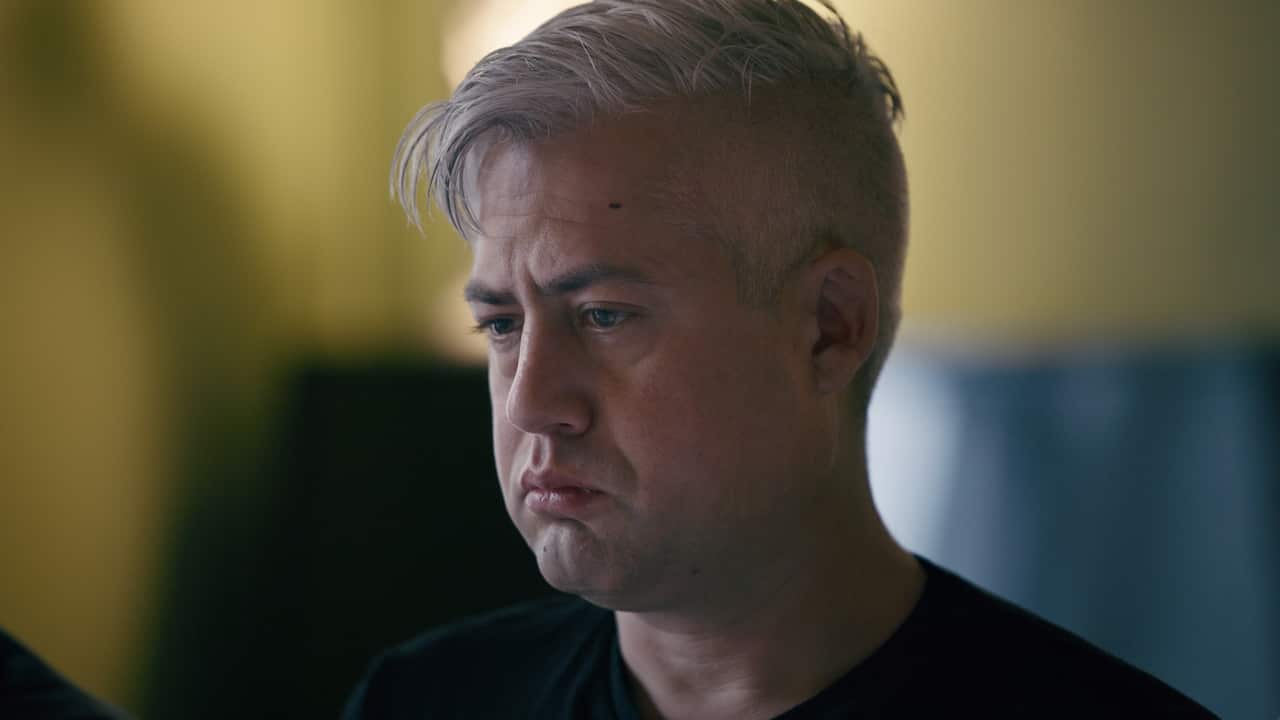
“Our response to any kind of shooting was amazingly violent. And had we not done that, I have no question that we would have been absolutely overrun — a shot can come from anywhere, and you have to respond to that,” he said.
“If you don’t have a solid target, you have to just blanket the area with fire, and inevitably, people are hurt there.”
However, he wasn’t motivated solely by a kill-or-be-killed mentality. Warfare, he said, was “euphoric”.
“They don’t make cocaine that is as good as a gunfight,” he said. “It is the most euphoric experience you’ll ever have … I know that sounds sick, but it’s true.”
The ‘war on terror’ begins
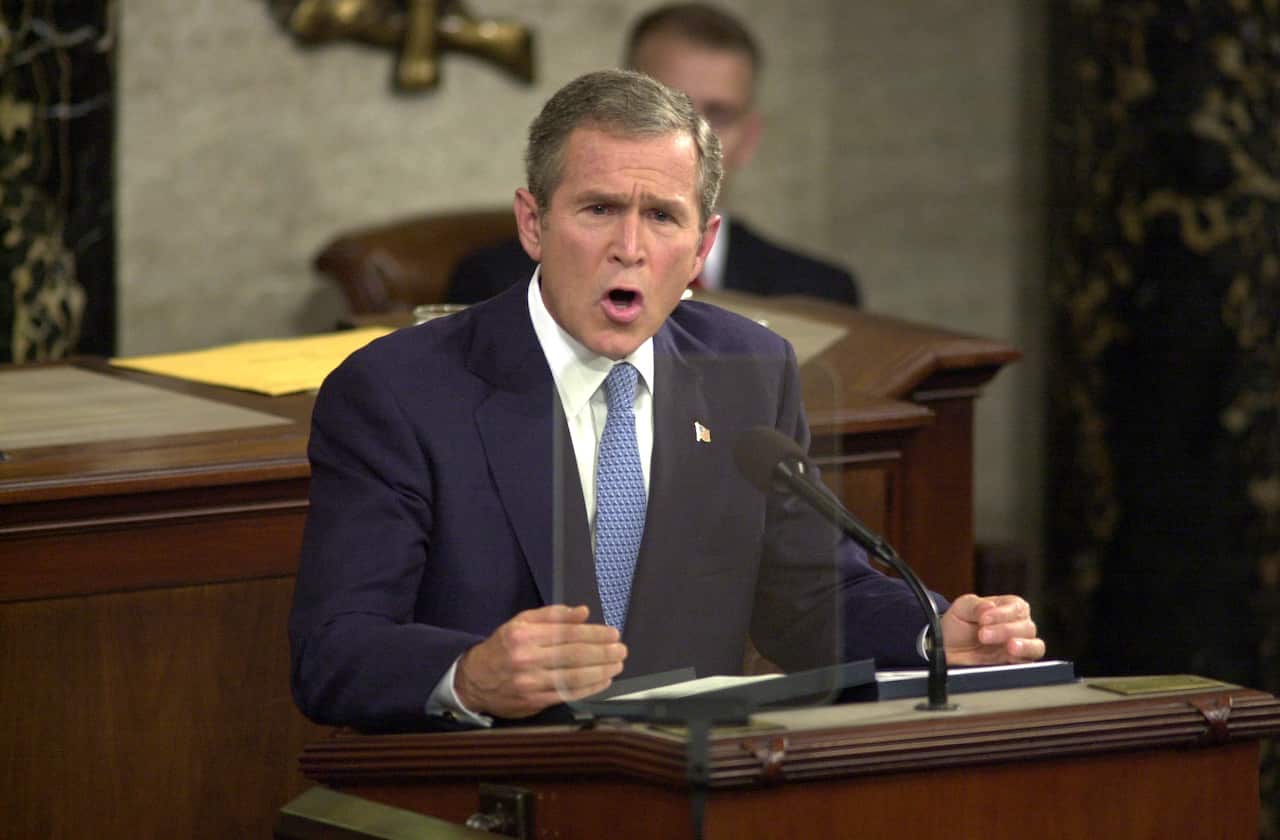
Then US president George W Bush declared a “war on terror” just days after Islamist militant organisation Al-Qaeda’s terror attack on the Twin Towers in New York City on 11 September 2001.
“Our war on terror begins with Al-Qaeda, but it does not end there. It will not end until every terrorist group of global reach has been found, stopped and defeated,” he said in a national address on 20 September.
Within a month, the US had launched airstrikes on Al‑Qaeda and Taliban targets in Afghanistan in what would eventually turn into a war lasting more than 20 years.
Not long after, the Bush administration began to advocate for also invading Iraq, which it claimed possessed weapons of mass destruction (WMDs) and had long-running links with terror groups such as Al-Qaeda.
By March 2003, US and allied soldiers had started their invasion of Iraq.
The Iraq Survey Group, tasked by the multinational forces to investigate Iraq’s alleged possession of WMDs, would later deliver a report to US Congress concluding that no such weapons were found in Iraq.
Declassified reports and investigations by intelligence agencies also later showed that there was no compelling evidence of a cooperative relationship between former Iraqi president Saddam Hussein’s regime and Al-Qaeda.
A culture of ‘killing’
Matthew Hoh is a former US Marine Corps captain who was sent to Iraq’s Al-Anbar province in 2006 at the height of a brutal fight against Al-Qaeda.
“Every day, something was happening. There was IED [Improvised Explosive Device] attacks, RPG [Rocket-Propelled Grenade] attacks, complex ambushes,” he said.
“In order for your survival, you have to kill, you have to punish, you have to seek vengeance.”
“It’s the culture of the military. It’s about killing. You haven’t done anything until you’ve killed somebody.”
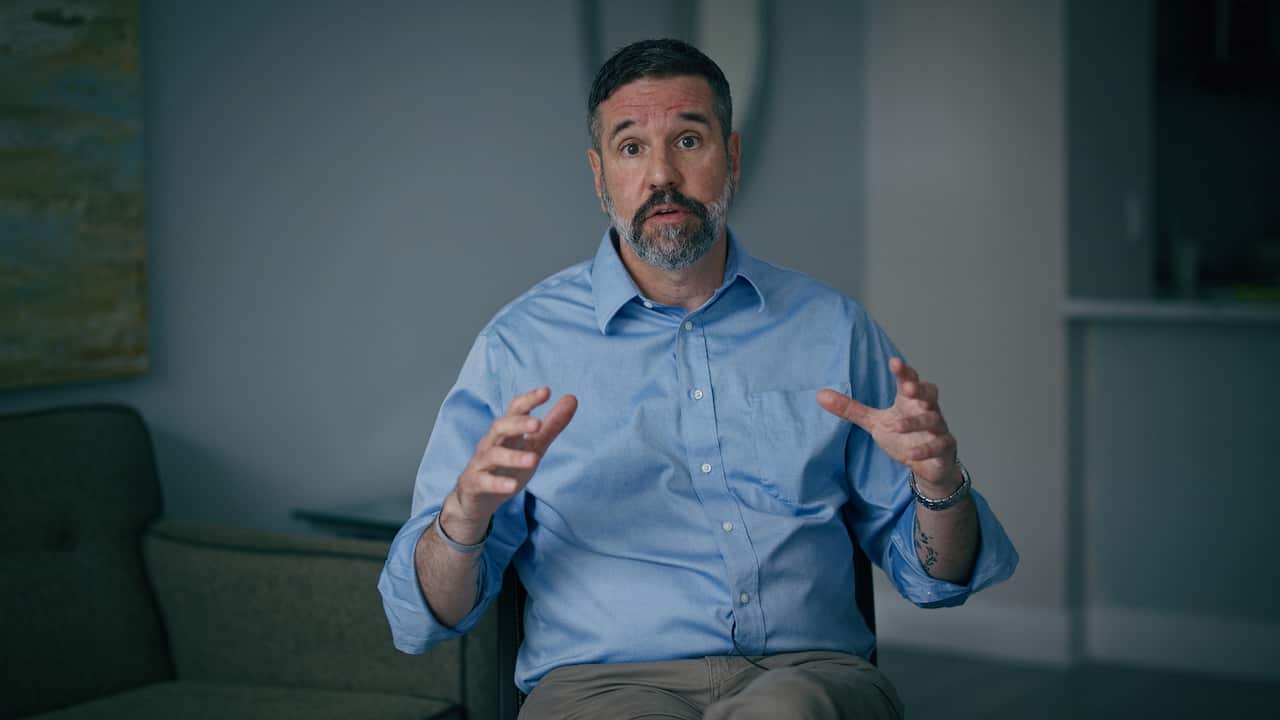
He described US military culture as not only the result of “stupidity” or “the ignorance of Americans”, but also “the supremacy of the empire, the entitlement, the arrogance”.
“And that’s how it builds. And it builds, and it builds, and it builds.”
Hoh said the decisions made by veterans continue to weigh on them after their service.
He believes a leading factor in the high rates of suicide among veterans is “because they did things in Iraq and Afghanistan that they are ashamed of, they regret, that they feel guilty for”.
“Everything that conditions you, led you to be the person you are is gone. It’s been defiled by your actions.”
Up to one in five veterans who served in Iraq or Afghanistan have been diagnosed with Post-Traumatic Stress Disorder (PTSD), according to US nonprofit research body RAND.
More than 30,000 veterans who served since 9/11 have died by suicide.
That’s more than four times the number of those killed in combat over the same period, according to a 2021 finding by Brown University’s Costs of War Project.
‘Their lives just changed forever’
Back at the table, another woman, Noor, tells the veterans about growing up in Baghdad.
She was 13 when the US military invaded. In that period, insurgents would frequently ambush American convoys — battles that could be deadly for civilians.
“It started to become dangerous to be around the convoys, because they could be targeted any minute, and they start shooting,” she said.
“When they started shooting, did they realise that some people, their lives just changed forever that day?”
She remembered her neighbours coming to her family’s home to tell her father that his cousin had been shot.
“As they laid his body in the front yard, I remember my father was trying to pick up pieces of his brain to put it back in his head,” she said.
The Pentagon has never released official figures for the number of Iraqi civilians killed or injured by US and coalition forces, which included Australians.
The independent Iraq Body Count project has sought to collect this data. Between 2003 and 2017, they recorded more than 100,000 civilian deaths.
Some veterans believe the numbers could be higher.
“We’ll never know how many innocent people we harmed or vital things that we destroyed in the course of doing that, or just people we killed,” Manzel said.
In 2023, the US defence department updated its Law of War manual, which provides legal advice, including an obligation to “take feasible protections to verify that potential targets are military objectives”.
Then general counsel of the department, Caroline Krass, said at the time that: “protection of civilians is vital to the success of our military operations keeping America safe — and doing so is both a moral necessity and a strategic imperative”.
The US has said it punishes service members who commit crimes while deployed.
In 2020, then secretary of state Michael Pompeo said: “When our own people do wrong, we lawfully punish those individuals — as rare as they are — who tarnish the reputation of our great US military and our intelligence services.”
Menzel believes they will “never know how many innocent people we harmed” and says he still thinks about the consequences of the war in which he served.
“We destroyed an entire society,” he said.
“An entire civilisation was just thrown into chaos and disarray because of our actions. And sometimes things I hadn’t thought about in years will pop up in my head.”
Readers seeking support can call Lifeline crisis support on 13 11 14 or text 0477 13 11 14 and Suicide Call Back Service on 1300 659 467.
ADF members and their families can call the Defence all-hours Support Line, a confidential telephone and online service, on 1800 628 036.
Open Arms provides 24-hour free and confidential counselling and support for current and former ADF members and their families on 1800 011 046.
Defence personnel, contemporary veterans, and their families can also contact national support services provider Soldier On during office hours 1300 620 380.