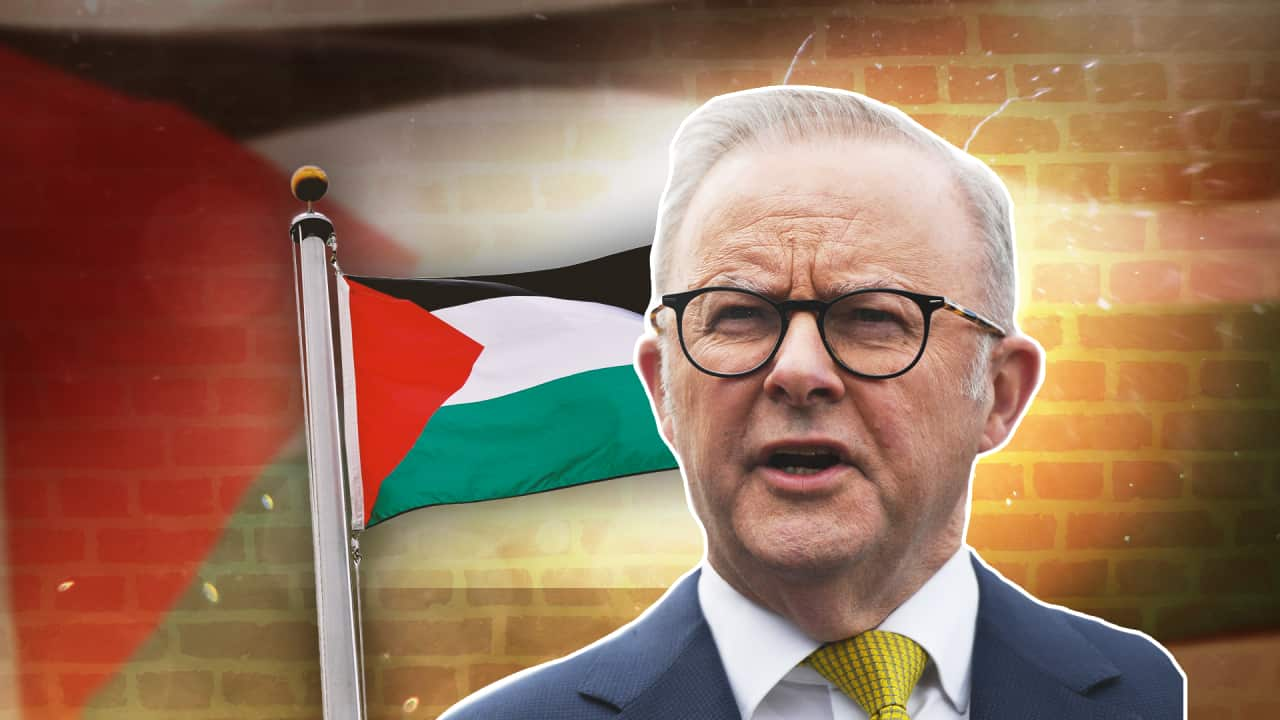
Prime Minister Anthony Albanese has made a historic declaration outside the United Nations General Assembly in New York City that Australia will formally recognise the “independent and sovereign state of Palestine”.
It also breaks with decades of bipartisanship between Australia’s two major political parties.
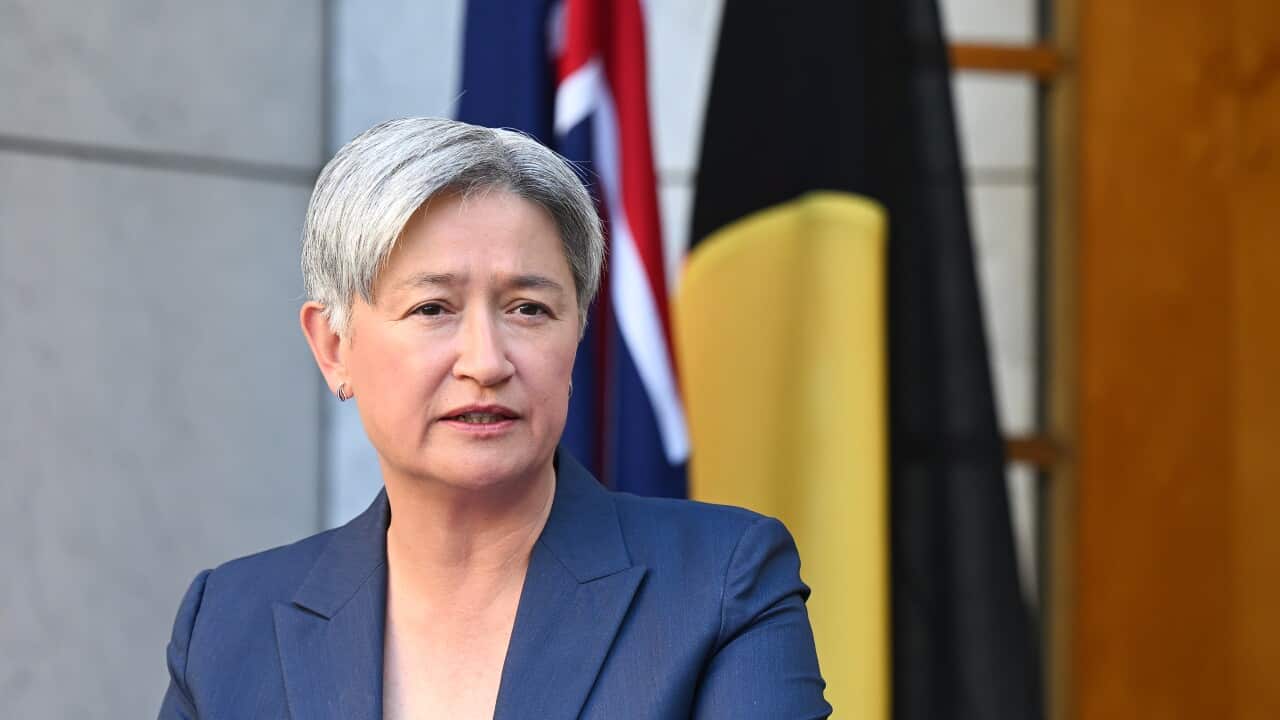
“Australia recognises the legitimate and long held aspirations of the people of Palestine to a state of their own,” Albanese and Wong said in a joint statement.
The pair said recognition is part of a coordinated international effort to build new momentum for a two-state solution, starting with a ceasefire in Gaza and the release of hostages taken by Hamas on October 7.
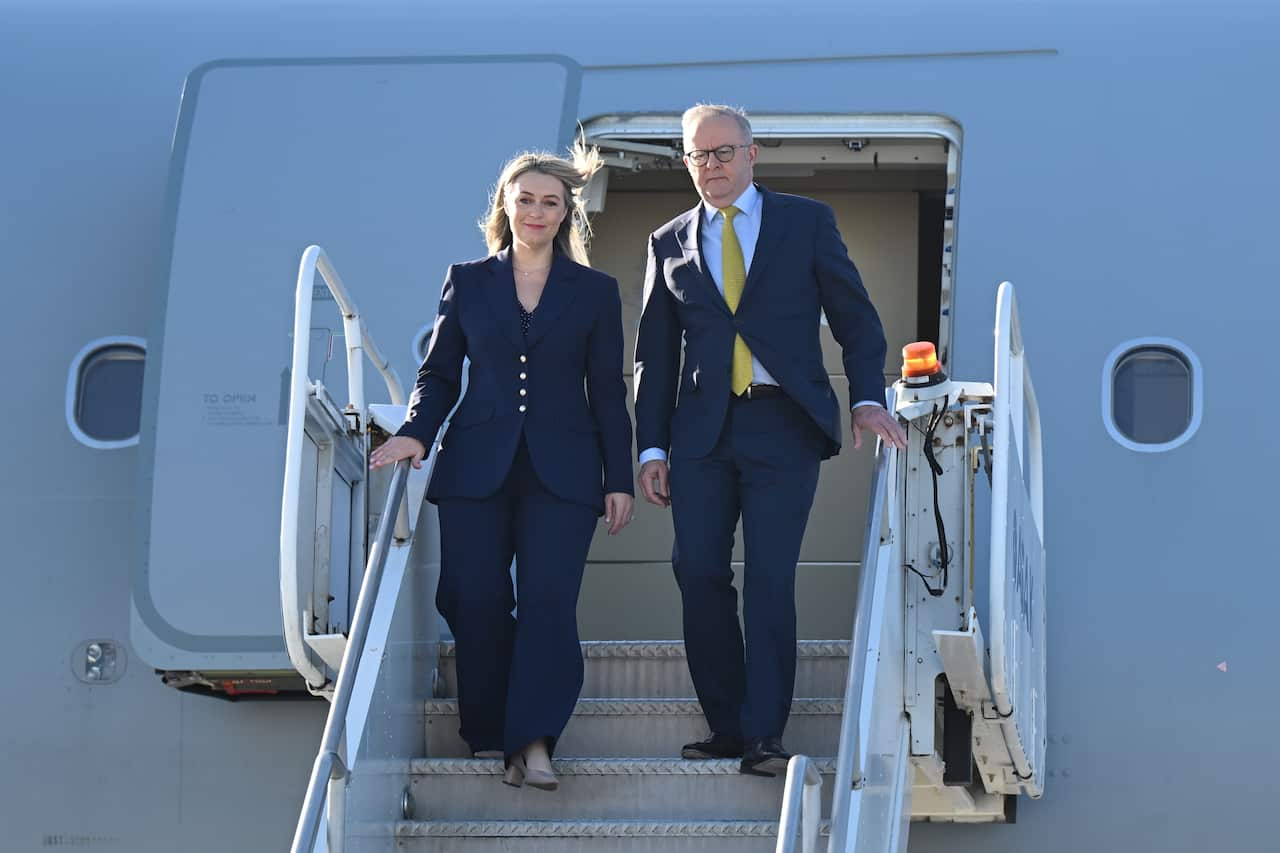
Australian Prime Minister Anthony Albanese and partner Jodie Haydon touched down in New York on Sunday ahead of the UN general assembly. Source: AAP / Lukas Coch
“Today’s act of recognition reflects Australia’s longstanding commitment to a two-state solution, which has always been the only path to enduring peace and security for the Israeli and the Palestinian peoples.”
The declaration sets the agenda for a four-day trip to the United States where the prime minister will deliver his first address to the United Nations General Assembly as part of the high-level Leaders Week summit.
Opposition Leader Sussan Ley and shadow foreign minister Michaelia Cash issued a joint statement warning the government was giving in to extortion by Hamas and this was a “hollow gesture” giving Palestinians “false hope”.
“Recognition must come at the end of a peace process not during the conflict. Palestine has no established borders and no effective government.”
“The inconvenient truth for the Albanese Government is this recognition comes while hostages remain in tunnels under Gaza and while the Gaza Strip and the Palestinian people remain under the control of the listed terrorist organisation Hamas.”
At the same time, the government has expressed confidence in progress towards an internationally supported peace plan that would underpin rebuilding efforts in Gaza while ensuring Israel’s security.
Recognition has already been signed off by the Australian Cabinet and does not require ratification in the parliament or any UN vote to come into effect. It is now the official government policy.
The Australian government has outlined steps the Palestinian Authority is now required to take to meet its obligations as part of recognition.
They include continued public acknowledgement of Israel’s right to exist, democratic elections and changes to financial operations, the process of governing and within the education system.
“Terrorist organisation Hamas must have no role in Palestine,” the statement said.
“Further steps, including the establishment of diplomatic relations and opening of embassies, will be considered as the Palestinian Authority makes progress on its commitments to reform.”
Albanese will also meet Jordan’s King Abdullah for talks on his first full day in NYC.
While the government’s diplomatic focus has been centred on Indo-Pacific ties over the first term, there is now an active strategy to engage with other nations and Arab states are seen as critical to brokering peace in the region.
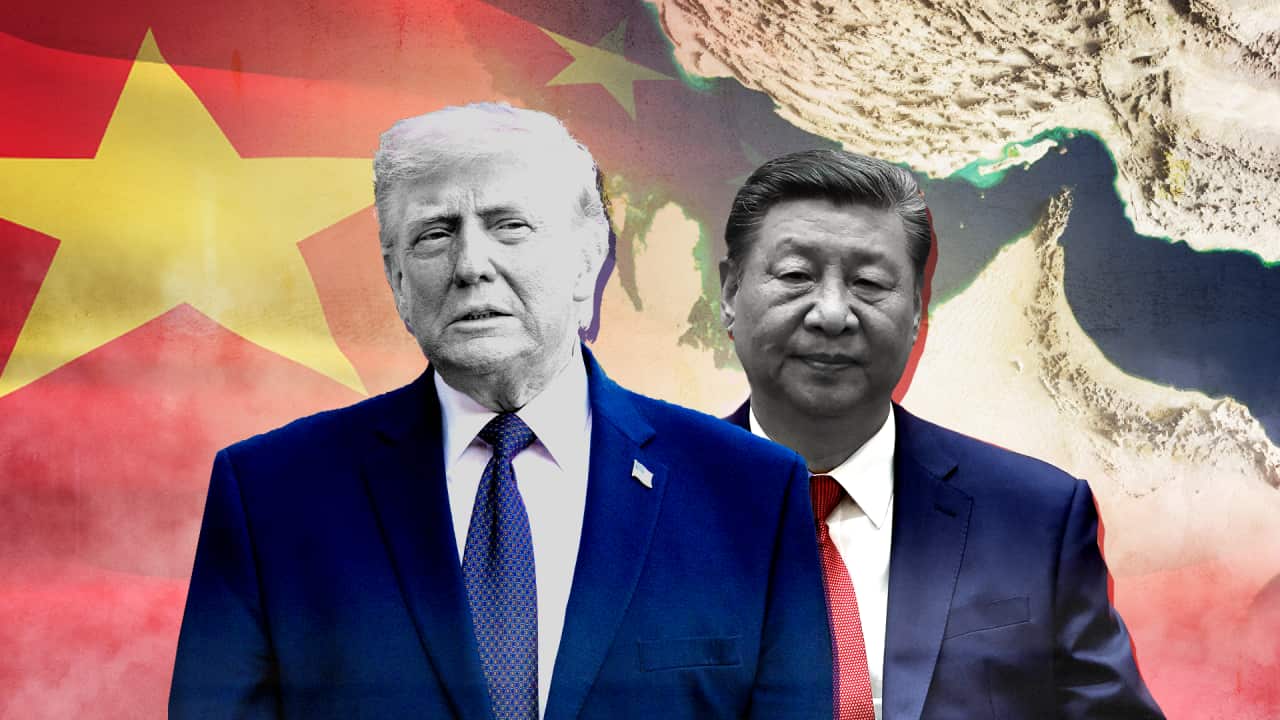
The move to recognise statehood is in line with France as well as the UK and Canada but it puts Australia at odds with its closest security ally the United States.
Albanese is yet to meet US president Donald Trump face to face, and while no meeting has been locked in, both leaders will be in New York for this week’s international talks.