
Six tankers scheduled to deliver oil to Australia have had their voyages cancelled because of flow-on impacts from the war in the Middle East, with the nation’s energy minister now conceding fuel supply could become bumpy if the conflict drags on.
Iran’s decision to close the Strait of Hormuz — a key global trade route — in response to American and Israeli strikes has sent global oil prices skyrocketing, driving up the cost of petrol, diesel and jet fuel and prompting panic buying in some areas.
Energy Minister Chris Bowen said on average around 81 ships a month delivered fuel to Australia, but that number had shrunk slightly because of the war.
“We’re aware of six boats that have been cancelled,” he told the ABC’s Insiders program.
“Some of those have already been replaced by the importers and refiners with other sources,” Mr Bowen said.
The cancelled ships were primarily coming from Asia, he added.
The energy minister said the flow of oil to refineries in Asia had slowed, creating flow-on impacts for Australia, which is heavily reliant on imported fuel.
Mr Bowen said it was highly unlikely that Australia’s international fuel supply would be cut off all at once, but admitted there may be rough patches.
“It’s much more likely that there’ll be bumps in supply, but that governments will work with the refiners and importers to manage those and minimise the impact,” he said.
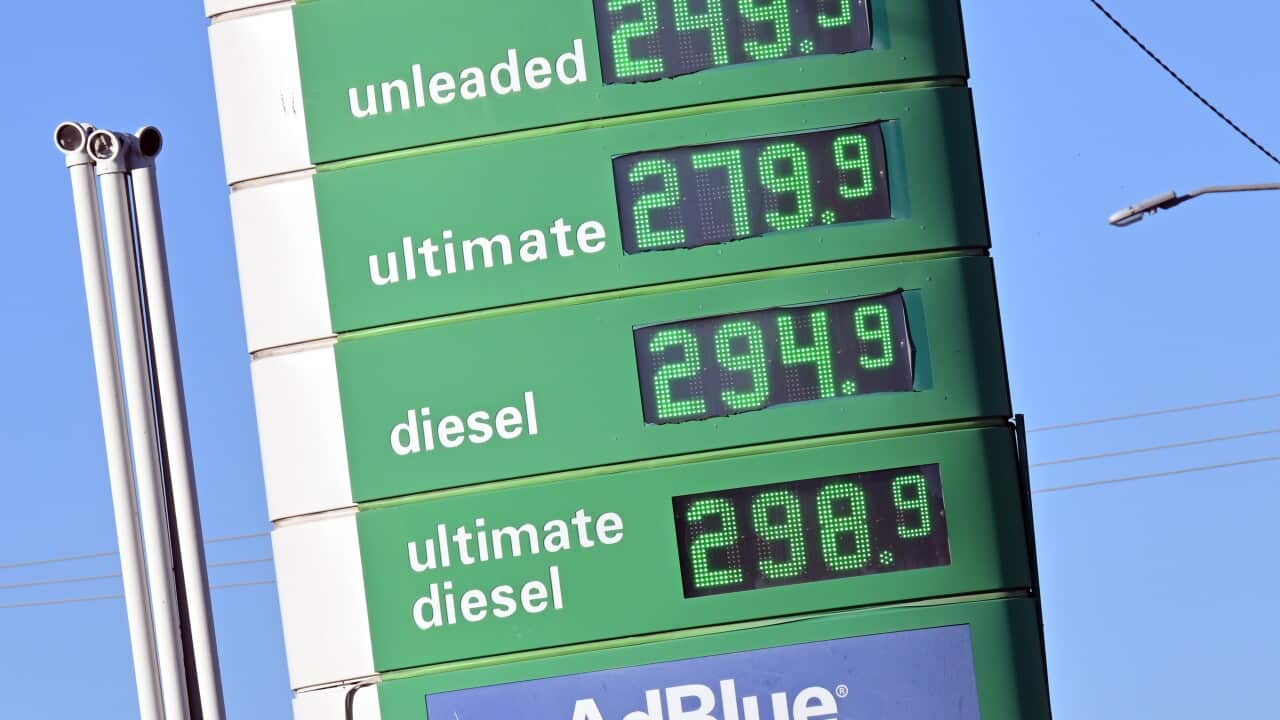
Some regional areas have faced fuel shortages as petrol prices soar to well over $2.50 a litre and diesel surpasses $3 in some locations.
The government has maintained Australia is not yet dealing with widespread shortfalls, and the lack of fuel in some areas is being driven by a spike in demand from people panic-buying.
Mr Bowen said Australia’s two refineries were both working “full pelt” to produce fuel solely for domestic use, not export, and the nation’s total supplies had not changed since the start of the conflict.
For the latest from SBS News, download our app and subscribe to our newsletter.