When a news story says a screening test is “recommended” for adults of a certain age, the source is often the U.S. Preventive Services Task Force. This article explains who the panel is, how its letter grades work and what those grades can and cannot tell a reader.
What is the U.S. Preventive Services Task Force?
According to its own website, the Task Force is a “scientifically independent, volunteer panel of national experts” in prevention and evidence-based medicine. Evidence-based medicine means basing clinical guidance on systematic reviews of published research rather than on habit or authority alone.
Its members come from preventive medicine and primary care, including internal medicine, family medicine, pediatrics, behavioral health, obstetrics and gynecology, and nursing. The Task Force’s current-members page lists 16 members, who it says are appointed by the Secretary of Health and Human Services (HHS) to serve four-year terms and are screened for conflicts of interest.
The Task Force says the Agency for Healthcare Research and Quality (AHRQ), a federal health agency, has been authorized by Congress since 1998 to convene the panel and provide scientific, administrative and dissemination support. The panel also reports annually to Congress on gaps in the evidence.
Its recommendations are published on the Task Force website, in a peer-reviewed journal, or both. They are meant to help clinicians and patients decide together whether a preventive service fits a patient’s needs.
What counts as a “preventive service”?
The Task Force looks at services offered to people who do not have symptoms of the condition in question. Typical examples include screening tests, counseling and preventive medications. Its recommendations are aimed at primary care, the everyday setting of family doctors, internists and pediatricians.
That focus matters. A recommendation about screening healthy adults for high blood pressure answers a different question from how to treat someone who already has a diagnosis. For background on the numbers involved in one such screening, see this explainer on understanding blood pressure numbers.
How does a topic become a recommendation?
The Task Force’s procedure manual is organized around a sequence of stages. Based on its table of contents, the sections cover:
- Topic selection, prioritization and updating.
- Development of a work plan for the topic, including a research plan.
- Development of an evidence report, and, where used, modeling.
- Methods for arriving at and formulating a recommendation.
- Engagement with the public, stakeholders and partners.
The manual’s introduction says evidence reviews are posted with each final recommendation. The pages reviewed for this article did not state how long public comment periods last, so that detail is left out here.
The practical point is that the panel does not run new clinical trials. It weighs what researchers have already published, and it judges both how good that evidence is and how it balances benefits against harms.
What do the grades and the insufficient-evidence rating mean?
Each recommendation receives a letter grade from A to D or an “insufficient evidence” statement. Under the definitions the Task Force uses for recommendations voted on after July 2012:
| Grade | What the Task Force says | Certainty and net benefit | Suggested practice |
|---|---|---|---|
| A | Recommends the service | High certainty that net benefit is substantial | Offer or provide the service |
| B | Recommends the service | High certainty that net benefit is moderate, or moderate certainty that it is moderate to substantial | Offer or provide the service |
| C | Recommends selectively offering the service | At least moderate certainty that net benefit is small | Offer for selected patients depending on individual circumstances |
| D | Recommends against the service | Moderate or high certainty of no net benefit, or that harms outweigh benefits | Discourage use |
| Insufficient | Evidence is insufficient to assess the balance | Evidence is lacking, of poor quality or conflicting | Read the clinical considerations; if offered, make sure patients understand the uncertainty |
“Net benefit” is the benefit of a service minus its harms. Two services can both be useful yet differ in grade because the evidence for one is stronger or its harms are larger.
Why does “certainty” matter as much as the letter?
The grade combines two ideas: how large the net benefit is, and how sure the panel is about it. The Task Force defines three levels of certainty.
- High: The available evidence usually includes consistent results from well-designed, well-conducted studies that measure effects on health outcomes in representative primary care populations. The Task Force says future studies are unlikely to change the conclusion.
- Moderate: The evidence is sufficient to determine effects on health outcomes, but confidence is limited by factors such as the number, size or quality of studies, inconsistent findings, limited generalizability, or gaps in the chain of evidence. The Task Force says future information could change the conclusion.
- Low: The evidence is insufficient to assess effects on health outcomes, for reasons such as few or small studies, design flaws, inconsistent results or missing outcome data.
This explains why grades can change over time. A “moderate” certainty finding is, by the panel’s own definition, open to revision as new studies appear. It also explains why a C or an insufficient-evidence rating is not a verdict that a service is useless. It may mean the benefit is small, or that nobody has yet produced evidence good enough to judge.
What do the grades look like in practice?
The Task Force publishes a list of its A and B recommendations. It describes those grades as services it “most highly recommends implementing for preventive care.” The list shows each topic with the population it applies to. As displayed on that page, examples include:
- Colorectal cancer screening (grade A): adults aged 50 to 75 years.
- Cervical cancer screening (grade A): women aged 21 to 65 years.
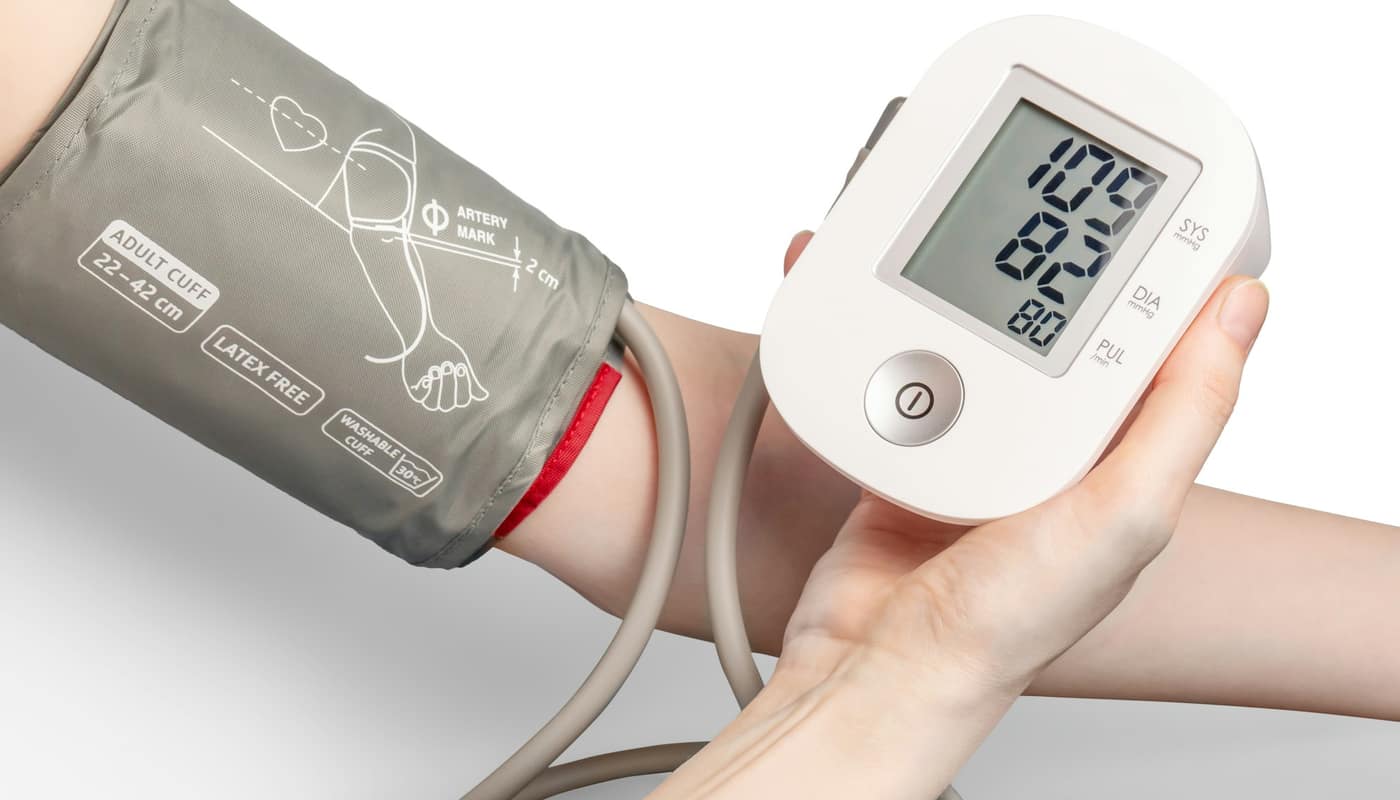
- Hypertension screening (grade A): adults 18 or older without known hypertension.
- Folic acid supplementation (grade A): people who plan to or could become pregnant.
- Breast cancer screening (grade B): women aged 40 to 74 years.
- Lung cancer screening (grade B): adults aged 50 to 80 years with a 20 pack-year smoking history who currently smoke or quit within the past 15 years.
- Statin use for primary prevention (grade B): adults aged 40 to 75 years with at least one cardiovascular risk factor and an estimated 10-year risk of 10% or greater.
A “pack-year” is a way of measuring smoking history: the number of packs smoked per day multiplied by the number of years smoked. Each recommendation is tied to a defined group, and the details of the age range, risk level and testing interval are written into the full statement. These examples are summaries of a list, not guidance for any one person. Eligibility for a given service depends on personal history that only a clinician can weigh.
The Task Force page also notes that A and B grades are “relevant for implementing the Affordable Care Act.” The page does not spell out coverage requirements, and the details of insurance coverage vary by plan type, so a health plan or the insurer’s published materials are the place to check what a specific plan pays for.
What does a grade leave out?
Several limits are worth keeping in mind.
Cost is not part of the grade. The Task Force says grades reflect the strength of the evidence and the balance of benefits and harms. Costs are not considered. A service can earn an A and still be expensive or hard to reach.
Grades describe populations, not individuals. A recommendation is built from studies of groups. A grade C explicitly points to “clinical judgment and patient preferences,” which is a signal that the decision belongs in a conversation.
Other bodies may differ. Medical societies and other expert groups sometimes issue their own guidance using different evidence thresholds or different weighting of harms. This article cites only the Task Force’s published grade definitions and does not compare them with other groups’ advice.
An insufficient-evidence statement is a statement about the evidence. It says the balance of benefits and harms cannot be determined from what exists. It does not say the service is ineffective.
Evidence can lag behind practice. The Task Force reports to Congress on evidence gaps, an acknowledgment that for some questions the research has not yet been done.
How does this compare with other evidence-grading efforts?
Grading systems appear across medicine. The Task Force’s approach resembles others in one respect: it separates the size of an effect from the confidence in the estimate. How it handles vaccines, drugs and devices is a different matter, since those products go through a separate regulatory route. For that process, see this explainer on how vaccines are tested and approved in the United States. For a separate set of public health guidance that also rests on a review of the evidence, see what the physical activity guidelines say.
Reading a grade without over-reading it
A Task Force grade is best read as a summary of a long evidence review: how strong the research is, how big the net benefit looks and how confident the panel is. An A or B means the panel found at least a moderate net benefit with enough certainty to recommend the service. A C means the decision depends on the individual. A D means the panel advises against it. An insufficient-evidence rating means the evidence cannot yet answer the question.
Nothing in a grade replaces a discussion with a doctor, nurse practitioner or pharmacist who knows a patient’s history, family background and preferences. Anyone wondering whether a screening applies to them can bring the specific recommendation statement to that conversation.
This article is general information, not medical advice. Talk with a qualified clinician about which preventive services are right for you.
Sources: U.S. Preventive Services Task Force