


In Brief
- South Pars supplies around 80 per cent of Iran’s gas, making the strike a direct hit on the country’s electricity and heating capacity.
- Qatar’s foreign ministry said that Iranian attacks on its main gas facility were a “a dangerous escalation”.
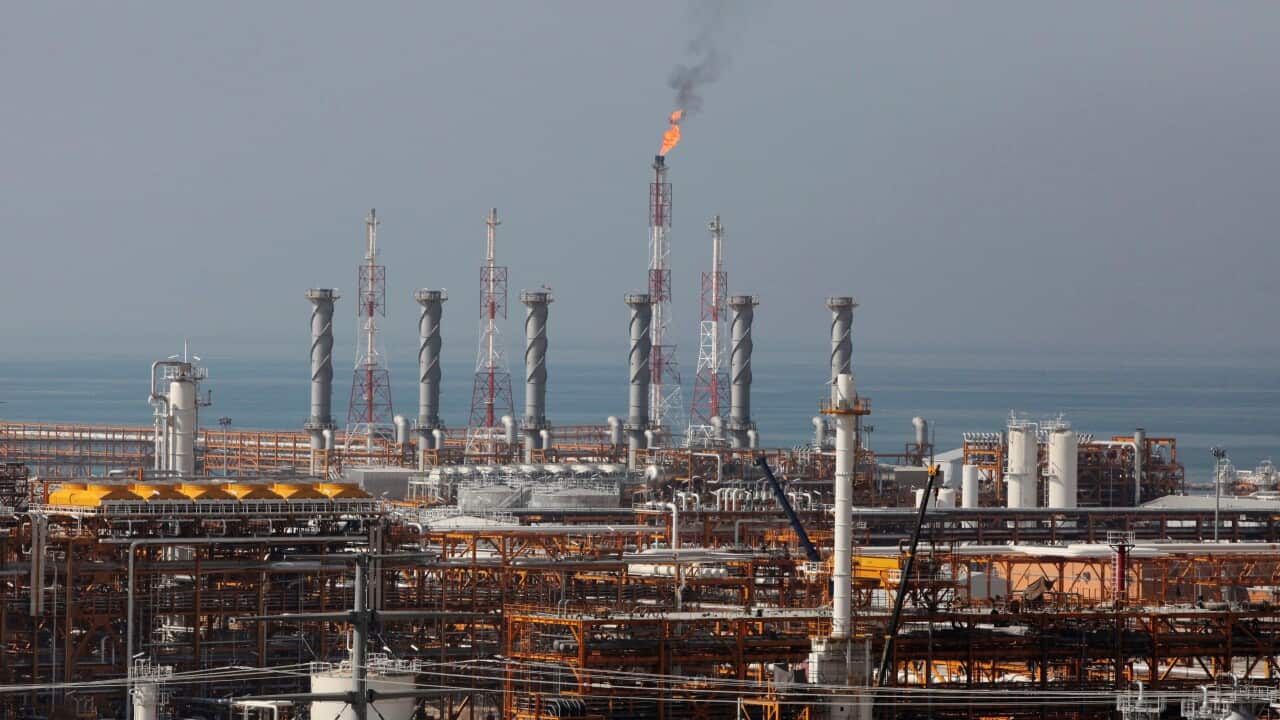
Iran’s huge Pars gas field was hit overnight, a major escalation in the US-Israeli war, prompting Tehran to announce it would respond with attacks on oil and gas targets throughout the Gulf.
Oil prices shot up after the attack in a conflict that has already halted shipping from the world’s most important energy-producing region and could now bring lasting damage to its infrastructure.
Benchmark Brent crude prices rose around 5 per cent to above US$108. Stock markets veered lower.
Pars is the Iranian sector of the world’s largest natural gas deposit, which Iran shares with Qatar across the Gulf. Iran’s Fars news agency reported that gas tanks and parts of a refinery had been hit, workers had been evacuated to a safe location and emergency crews were trying to put out a fire. State media later said the fire was under control.
The attack was widely reported in Israeli media to have been carried out by Israel with US consent, though neither country acknowledged immediate responsibility.
Qatar, a close US ally which hosts the largest US airbase in the region, blamed the attack on Israel without mentioning any US role. The Qatari foreign ministry spokesperson called it a “dangerous and irresponsible” escalation that put global energy security at risk. The UAE also denounced the attack.
Following the attack, Iran’s president Masoud Pezeshkian warned of the risk of “uncontrollable consequences”.
“This will complicate the situation and could have uncontrollable consequences, the scope of which could engulf the entire world,” he wrote on X, adding that such attacks “will yield nothing” for Iran’s foes the US and Israel.
Parliament speaker Mohammad Bagher Ghalibaf added in a separate post on X that after the attacks on energy facilities “an eye-for-an-eye sum is in effect, and a new level of confrontation has begun”.
Iran listed an array of prominent regional oil and gas targets belonging to Saudi Arabia, the UAE and Qatar, which it said were now “direct and legitimate targets” and should be evacuated at once before it struck them in the coming hours.
Previously during nearly three weeks of war, the US and Israel had held back from targeting Iran’s energy production facilities in the Gulf, averting Iranian retaliation against the oil and gas industries of its neighbours.
Iran has already effectively shut the Strait of Hormuz, which handles 20 per cent of global oil and liquefied natural gas supply, but consuming nations are hoping the disruption will prove short-lived as long as production infrastructure is spared.
Iran’s warning was directed at Saudi Arabia’s Samref Refinery and Jubail Petrochemical Complex, the UAE’s Al Hosn Gas Field, and Qatar’s Mesaieed Petrochemical Complex, Mesaieed Holding Company and Ras Laffan Refinery.
Israel says it has killed Iran’s intelligence chief
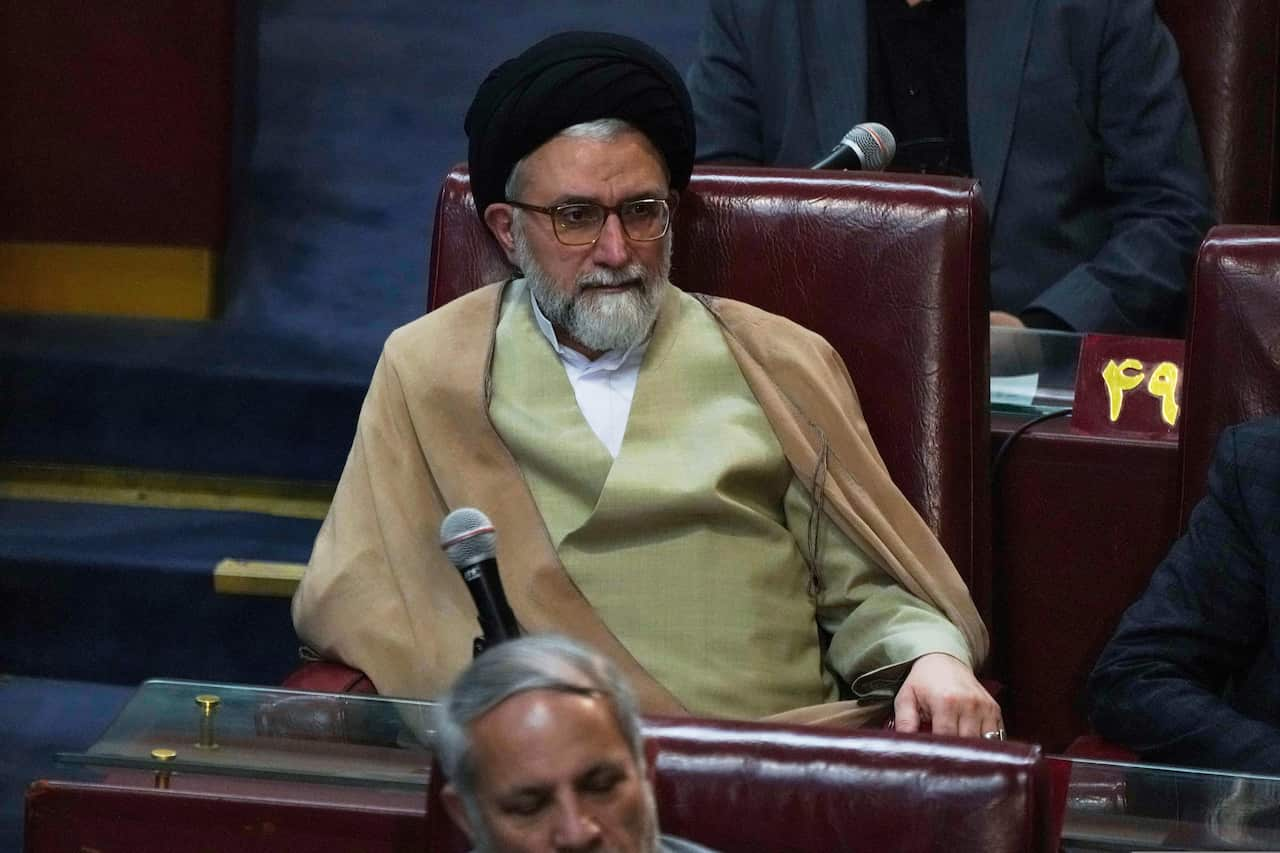
Israel killed Iran’s intelligence minister Esmail Khatib on Wednesday (local time), a day after killing powerful security chief Ali Larijani.
“No one in Iran has immunity and everyone is in the crosshairs,” said defence minister Israel Katz.
He and Prime Minister Benjamin Netanyahu had authorised the Israeli military “to target any senior Iranian official for whom an intelligence and operational opportunity arises, without the need for additional approval”, Katz said.
It appeared to be the first time Israel has publicly stated that it would let the military target enemy officials without seeking special permission from political leaders.
In Tehran, thousands of people appeared in the streets for a funeral for Larijani and other slain figures. The crowd waved Iranian flags and carried portraits of the dead as a eulogist sang: “Martyrs are leading the way, they’ve become more alive, burning with love.”
Iran retaliated for the killing of Larijani by firing missiles at Israel, which Israeli authorities said killed two people near Tel Aviv. Tehran said it fired overnight on Tel Aviv, Haifa and Beersheba in Israel, and at US bases in Bahrain, Iraq, Jordan, Kuwait, Saudi Arabia and the UAE.
The Israeli military also hit central Beirut, destroying apartment buildings in some of the most intense airstrikes on the Lebanese capital for decades, on Israel’s other front in the war it launched with the US against Iran.
US-based Iran human rights group HRANA said on Monday that an estimated 3,000-plus people had been killed in Iran since the US-Israeli attacks began on 28 February. Authorities in Lebanon say 900 people have been killed there and 800,000 forced to flee their homes.
Iran’s retaliatory attacks have killed people in Iraq and across the Gulf states. Fourteen have been killed in Israel.
For the latest from SBS News, download our app and subscribe to our newsletter.


