

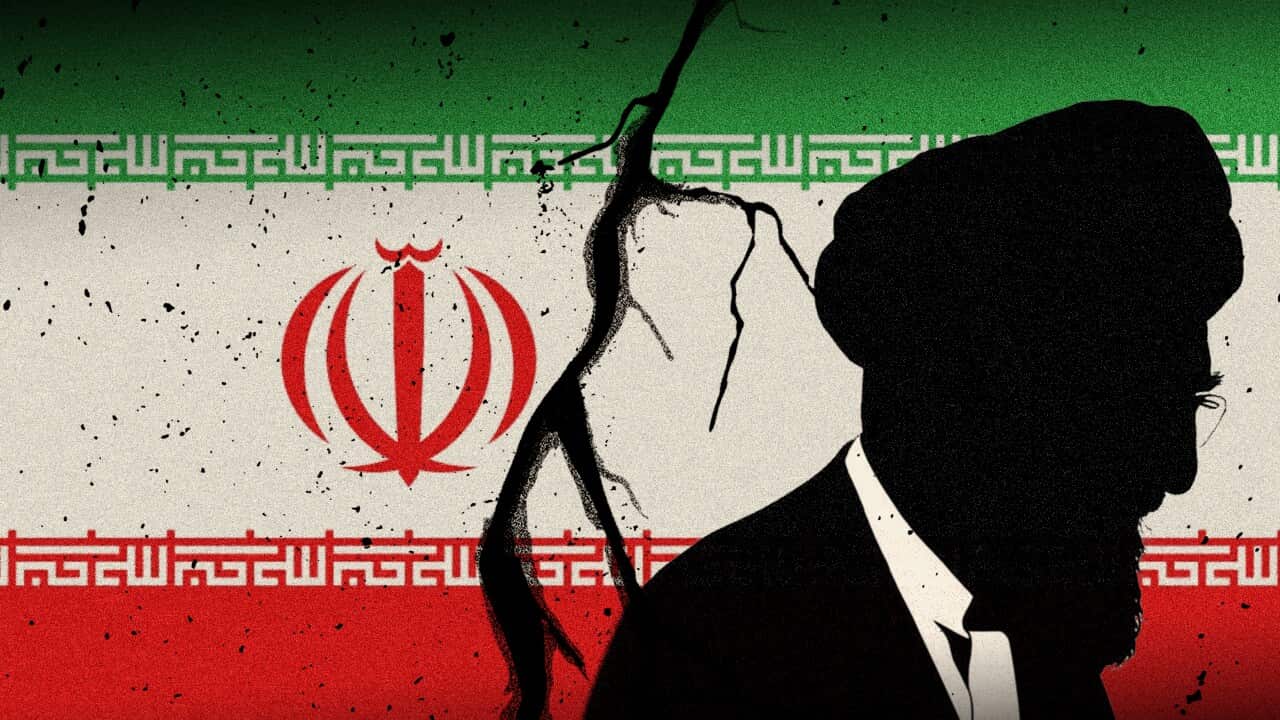
The 36-year reign of Ayatollah Ali Khamenei, who has held absolute power in the Iranian regime, has come to a sudden end.
Now, bigger questions about the country’s future are only just beginning.
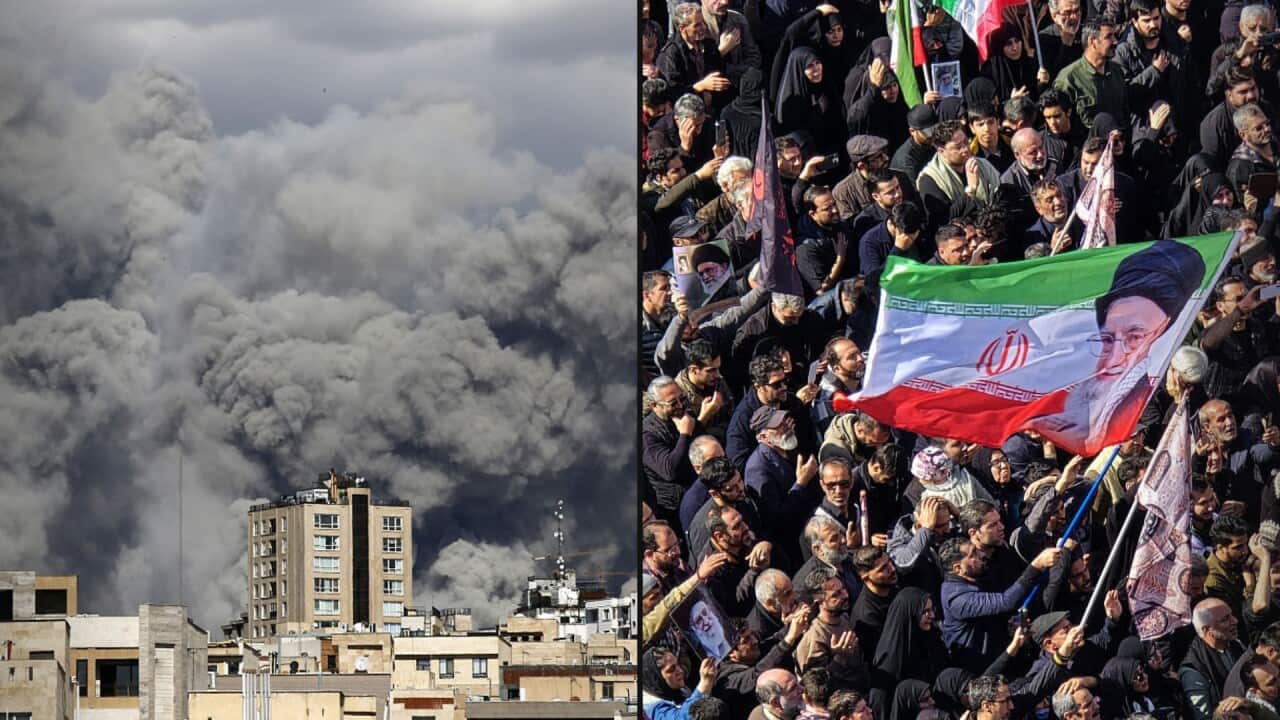
The 86-year-old former supreme leader of Iran was killed on Saturday in US-Israeli strikes that pulverised his compound in the capital, Tehran, after decades of efforts to resolve the dispute over Iran’s nuclear program diplomatically failed.
Khamenei was chosen as Iran’s leader after the death of the Ayatollah Ruhollah Khomeini, who founded the Islamic Republic of Iran.
He was “an accident of history” who went from “a weak president to an initially weak supreme leader to one of the five most powerful Iranians of the last 100 years”, Karim Sadjadpour at the Carnegie Endowment for International Peace told the Reuters news agency.
But now, as his era comes to an end, questions remain on how the next leader will be chosen.
What does the Iran’s constitution say?
Iran has a formal constitutional process for selecting its supreme leader.
A body called the Assembly of Experts — made up of Islamic jurists — is responsible for selecting the leader. Members of this assembly are elected every eight years.
Anyone who wants to run for the Assembly must first be approved by the Guardian Council, which supervises elections. Half of the Council’s members are appointed by the supreme leader.
Hours after Khamenei’s death, Hadi Tahan, Nazif, the Guardian Council’s spokesperson, said, “the Assembly of Experts is responsible for selecting the supreme leader”.
“There is no ambiguity in this matter, and the necessary measures have been clearly set out in detail.”
Can a new supreme leader be chosen amid war?
It is unclear how much of this process can be carried out, given the ongoing war on Iran.
On Sunday morning, while announcing the death of Khamenei, United States President Donald Trump indicated he hoped for something different.
“Hopefully, the IRGC (Islamic Revolutionary Guard Corps) and police will peacefully merge with the Iranian patriots, and work together as a unit to bring back the country to the greatness it deserves”.
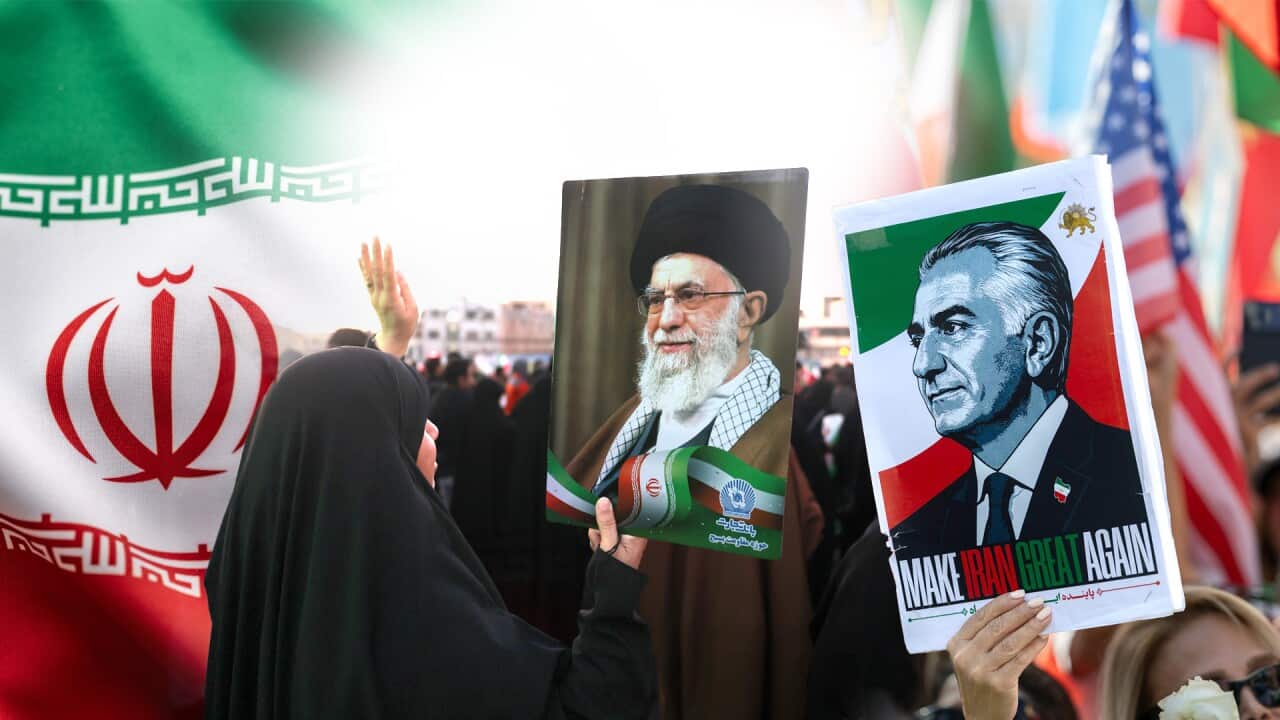
Iran’s exiled crown prince, Reza Pahlavi, who has consistently described himself as a transitional leader of a potential revolution in Iran, has also said “any attempt by the remnants of the regime to appoint a successor to Khamenei is doomed to fail from the outset”.
“Whoever they place in his stead will have neither legitimacy nor longevity, and will undoubtedly be complicit in the crimes of this regime as well,” he posted on X
Who is currently leading Iran?
Mohammad Mokhber, an aide to Iran’s late supreme leader Ayatollah Ali Khamenei, has told state television that Iran’s president, the head of the judiciary, and one of Iran’s Guardian Council’s jurists will take responsibility for a transitional period of government after Khamenei’s death, until the next leader is chosen.
Masoud Pezeshkian has served as president since 2024, but he has not spoken publicly since strikes began, leading to speculation about whether he is alive.
Local media have previously reported he is alive.
— With additional reporting by Reuters.
For the latest from SBS News, download our app and subscribe to our newsletter.