

In Brief
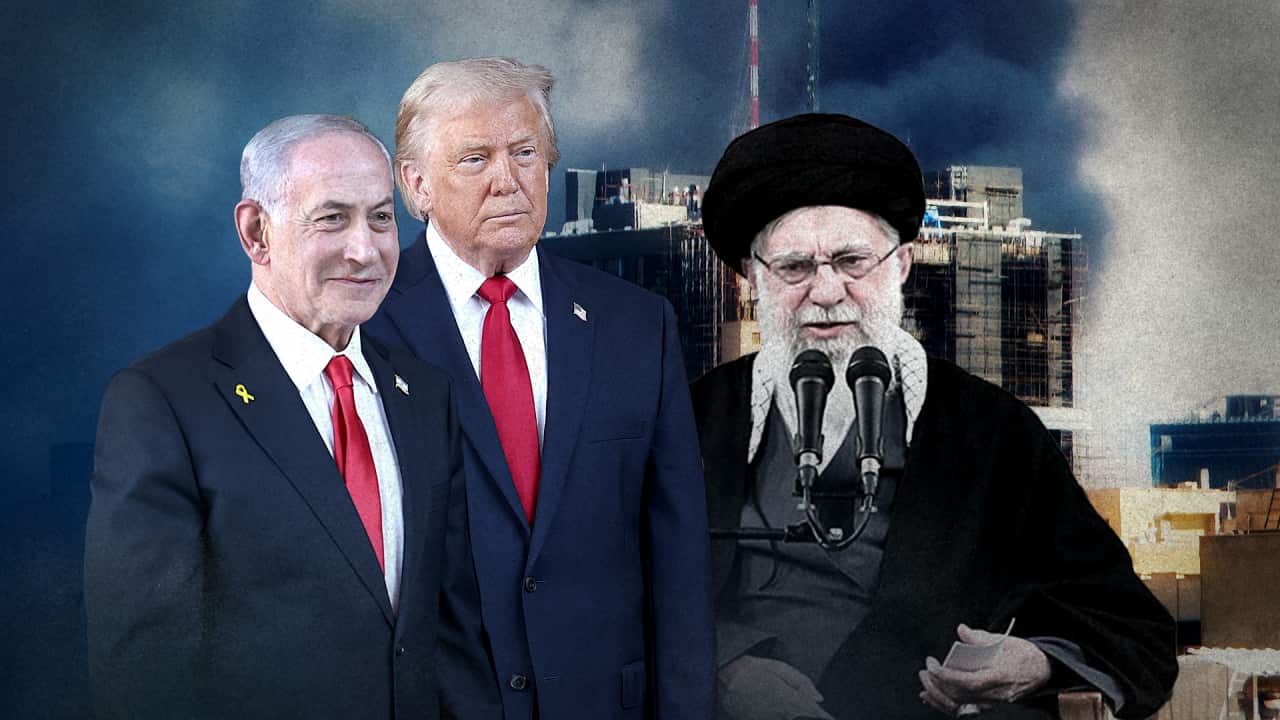
- Experts say the US and Israeli attack on Iran was an act of “clear aggression” aimed at regime change.
- They say Iran is not a military threat but it does impact the US and Israel’s ability to project power in the Middle East.
Iran has long been painted as an enemy of the United States, but the timing of a deadly strike against its leaders was likely driven by several factors.
The possibility of a military confrontation between the US and Iran emerged ahead of talks between the two countries that ended without a deal in Geneva, Switzerland, on Thursday.
By Saturday afternoon (Australian time) the US and Israel had launched strikes that killed Iran’s supreme leader, Ayatollah Ali Khamenei.
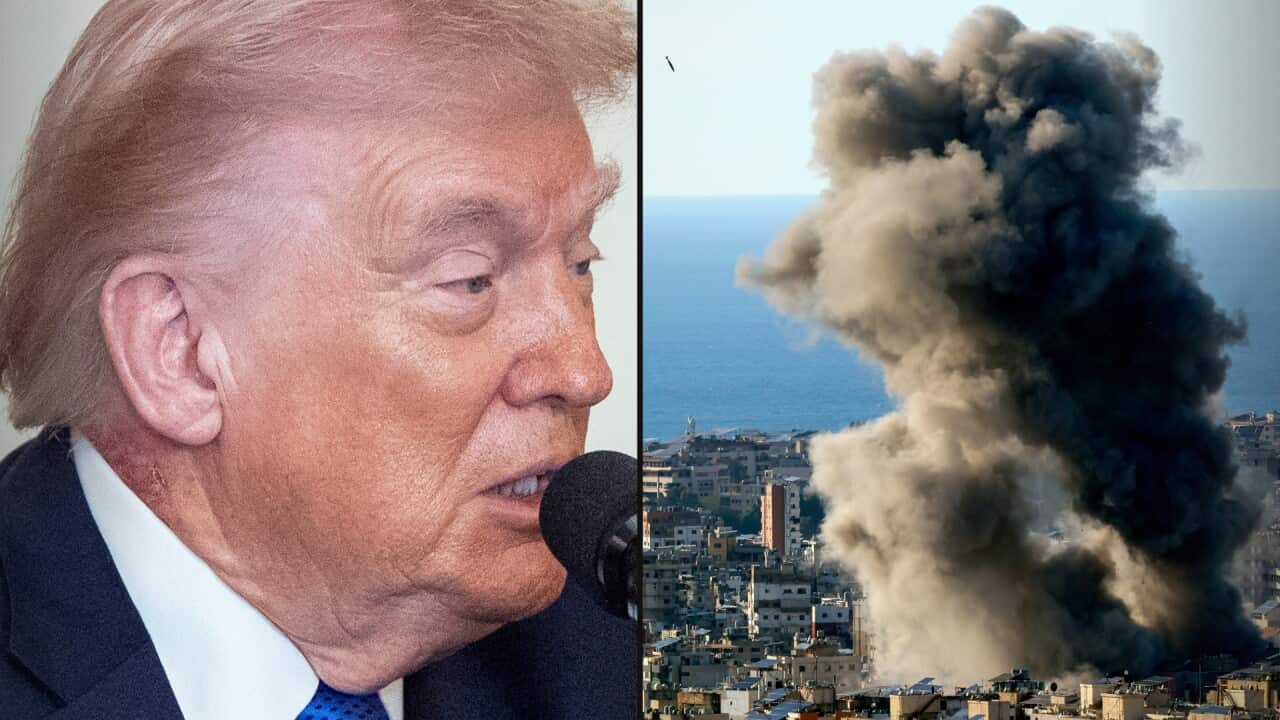
US President Donald Trump had earlier expressed disappointment Iran was unwilling to make a key pledge not to develop nuclear weapons.
But experts reject the idea that Iran posed a credible threat to the US.
Brendan O’Connor, professor of US politics and foreign relations at the University of Sydney, notes an intelligence assessment released last year found it would take Iran 10 years to develop a viable missile capable of attacking the US.
This is what they call a war of choice. This is an act of clear aggression rather than preventative or defensive.
International relations expert Martin Kear at the University of Sydney agrees the military action was likely aimed at regime change.
Despite being painted as a formidable enemy, Kear said Iran has never really been a military threat to the US or Israel.
He notes Iran’s army is largely made up of conscripts, and its feared Islamic Revolutionary Guard Corps are relatively small in number.
“Iran does not have a modern air force, [and it has] what they call a ‘brown-water’ navy [that operates in rivers and shallow coastal areas] so it doesn’t have the ability to project power.”
Kear says the weaknesses of Iran have always existed, and nothing else has really changed except for the willingness of the US to get involved — as it did during Israel and Iran’s 12-day war in 2025.
That conflict started when Israel bombed military bases and nuclear facilities in Iran on 13 June, to which Iran retaliated with strikes targeting Israeli sites.
The US bombed three Iranian nuclear sites on 22 June, with Iran firing missiles at a US base in Qatar. On 24 June, Israel and Iran agreed to a ceasefire under US pressure — though it has been shaky since.
Kear says this time around, the US may have been influenced by a number of factors.
Influence of Israel
Kear said Iran mostly threatens the US and Israel’s ability to project power over other states in the Middle East, as it offers an alternative to their dominance.
From Israel’s perspective, Kear said it also doesn’t want Iran to be capable of building a nuclear weapon, as it then weakens Israel’s deterrence.
“Israel is the only state in the Middle East … who have nuclear weapons,” Kear said.
Israel is widely believed to possess nuclear weapons but has never publicly confirmed it, maintaining a policy of deliberate ambiguity by saying it “won’t be the first country to introduce nuclear weapons to the Middle East”.
Iran has always denied claims it’s pursuing nuclear weapons, saying its program is aimed at “developing civilian nuclear power”.
O’Connor said he believes Israel’s prime minister, Benjamin Netanyahu, has been very influential on Trump, and that Israel may have been a “primary driver” of the attacks.
I suppose Israel feels [in] a moment of great power in the Middle East and it senses that the internal politics of the regime are weak and its defences are weak, and its allies — [Islamist groups] Hezbollah and the Houthi — are not particularly strong.
“So it sees it as a great opportunity.
“Why the US buys into that is a big question — and a big mistake.”
Kear says it’s a mistake for the US to be drawn into Israel’s “geopolitical and geostrategic wants and dreams”.
“There’s no obvious US strong imminent national interest here.
“[The] extremely strange part of this [attack] is that there’s little in it for the US.”
Kear says a war in Iran will draw attention away from what’s happening in Gaza and the West Bank, noting that Israel has proposed law changes that will make it easier for it to annex parts of the West Bank. Israeli finance minister Bezalel Smotrich has said the annexation plans are an explicit attempt to “bury” the idea of a Palestinian state.
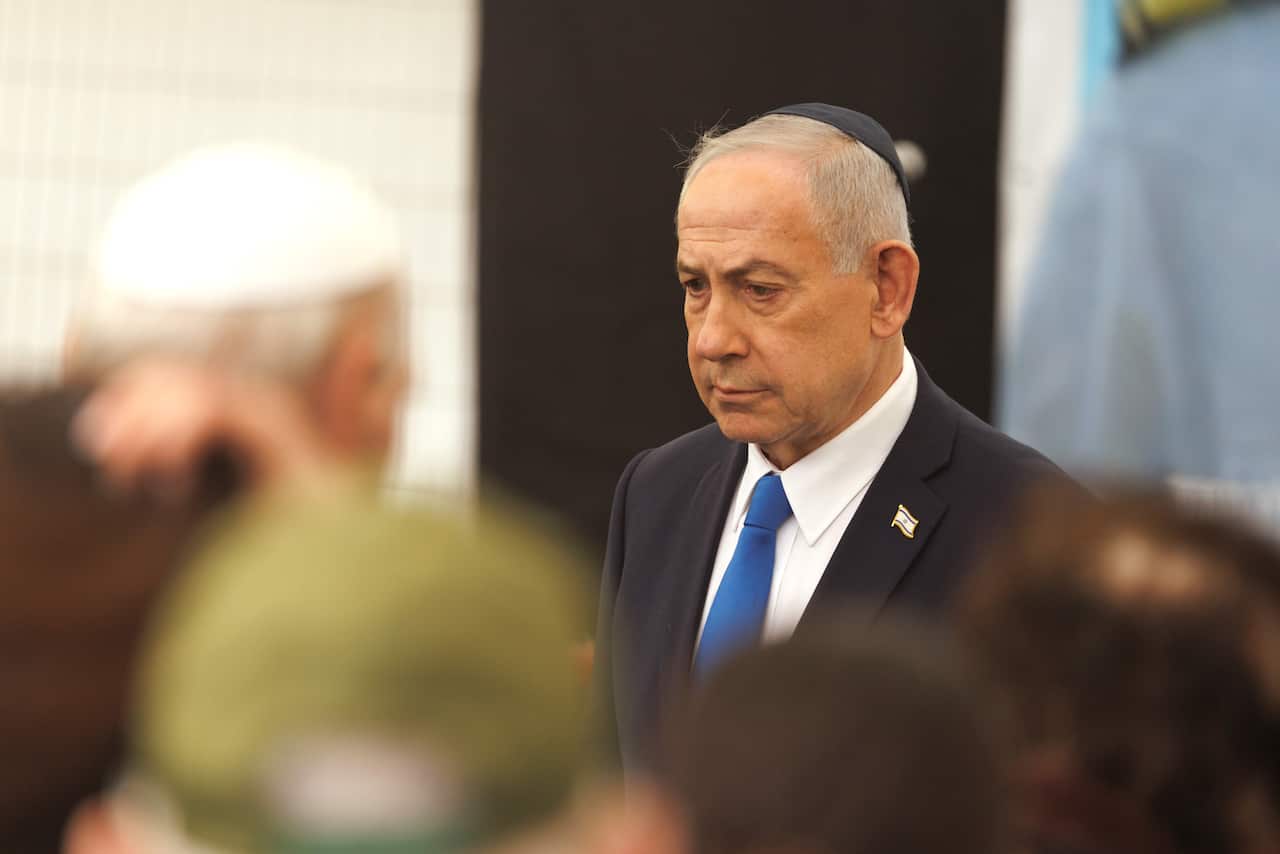
The US may also have been influenced by its allies in the Middle East, including those in the Gulf states that Trump has business dealings with, and who have presented him with extravagant gifts — such as a luxury jet.
“The Saudis and some of the other Gulf states have had quite a significant influence on the Trump administration’s thinking about the Middle East, and they’re often very anti-Iranian,” O’Connor said.
‘Weakness’ of the regime
The attack by Israel and the US came weeks after Iranian authorities brutally crushed mass protests in the country, killing thousands.
The demonstrations were considered one of the most serious threats to the religious state established in 1979.
Professor Amin Saikal, Middle East analyst at the Australian National University, said strong public opposition to the regime basically stemmed from the country’s poor economic situation and many theocratic impositions.
He notes around 60 per cent of the population are below the age of 30.
“They wanted not only political and social freedoms, but also a better standard of living,” Saikal said.
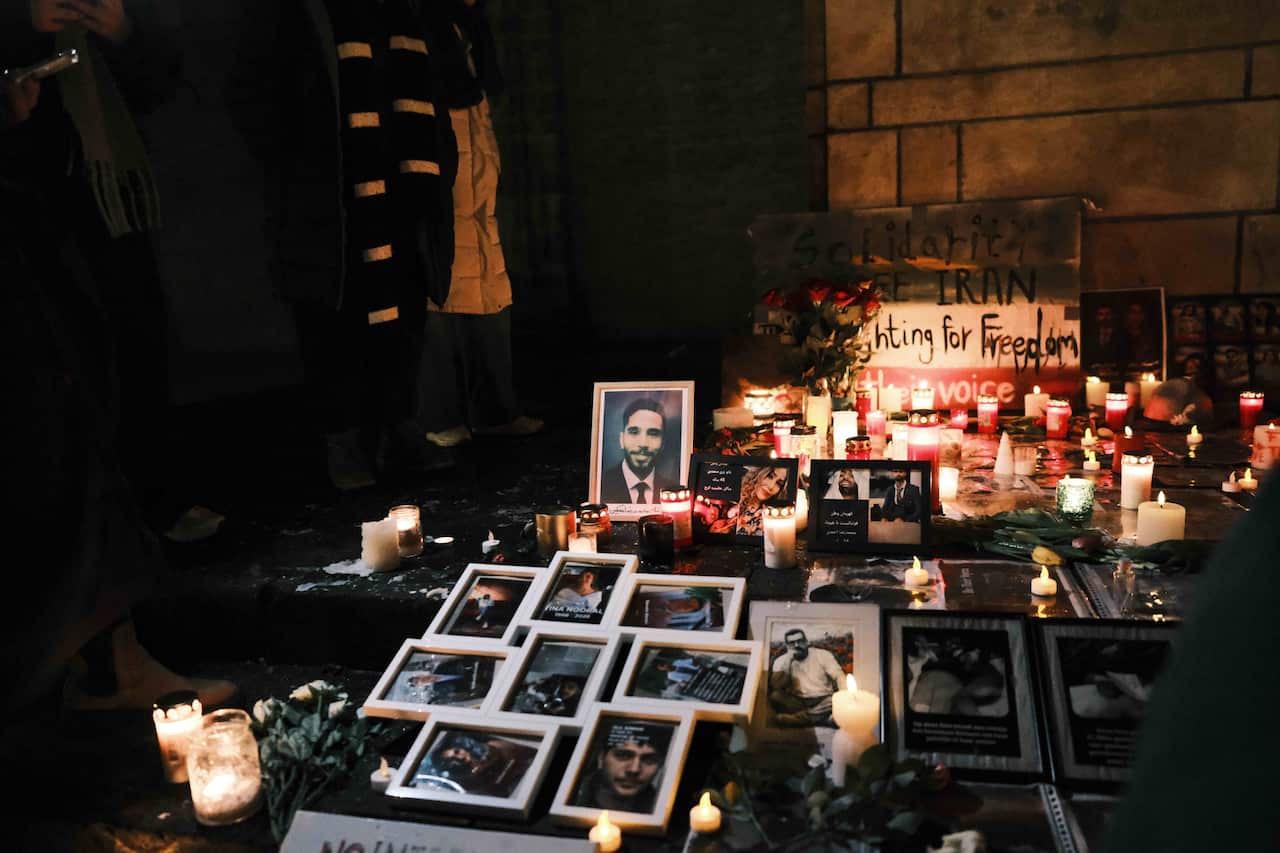
Saikal said living conditions have declined due to years of mismanagement, alongside corruption and the impacts of US-led sanctions.
O’Connor said the Iranian regime was at a low point in terms of its own strength and command over its population, but the idea that its citizens could rise up against the regime and its control of the military — as Trump has encouraged them to do — may turn out to be wishful thinking.
While there was a sense of vulnerability around Iran, O’Connor suspects this may have been talked up by the Israelis, Saudi Arabia and other Gulf states.
“They would have been, I think, egging Trump on.”
Iran’s allies weakened
Kear points out Iran was part of what was known as the axis of resistance — along with Syria and [Islamist group] Hezbollah, and to some degree, Hamas.
Iran funded and armed Hamas — a Palestinian political and military group — and the only Palestinian organisation capable of resisting its occupation of the West Bank, Gaza Strip and East Jerusalem.
If the Iranian regime is decapitated, this reduces the capacity of Iran to continue funding Hamas, and therefore the ability of Palestinians to resist Israeli occupation is dramatically reduced.
Given Israel has already assassinated the leaders of Hamas and Hezbollah, the Iranian regime has been decapitated and the Assad regime in Syria has fallen, Kear says there is now no effective axis, and no other Middle East states that actively oppose Israel’s occupation of the Palestinan occupied territories.
O’Connor says previously there may have been concerns about retaliation from Hamas and Hezbollah groups based in Lebanon and possibly Gaza.
“There would have been a domestic element that Israel had to weather — there’s been a bit of that — but maybe not to the extreme degree if Hezbollah was a lot stronger.
“I think that made it more attractive for the Israelis, but I think the Israelis have probably long wanted this.”
Russia, which signed a strategic partnership treaty with Iran last year, is also distracted by the war in Ukraine.
Kear believes one of the reasons the US attacked is because it knew Russia wouldn’t retaliate.
“[Russian President Vladimir] Putin doesn’t want to pick a fight with the US because he barely struggles to cope with the war in Ukraine.”
The Trump effect
While many factors may have played a part, experts point out that Israel has wanted regime change for a long time, and it appears to have found an ally in Trump.
O’Connor said there’s a lot of commentary in US politics that overplays this idea of Trump being a “puppet master”.
“It kind of forgets how many people are behind him. He’s being fed ideas … but his own sense of self-importance … shouldn’t be completely discounted as well.
“There’s always a side with Trump, of his own grandiosity and importance.”
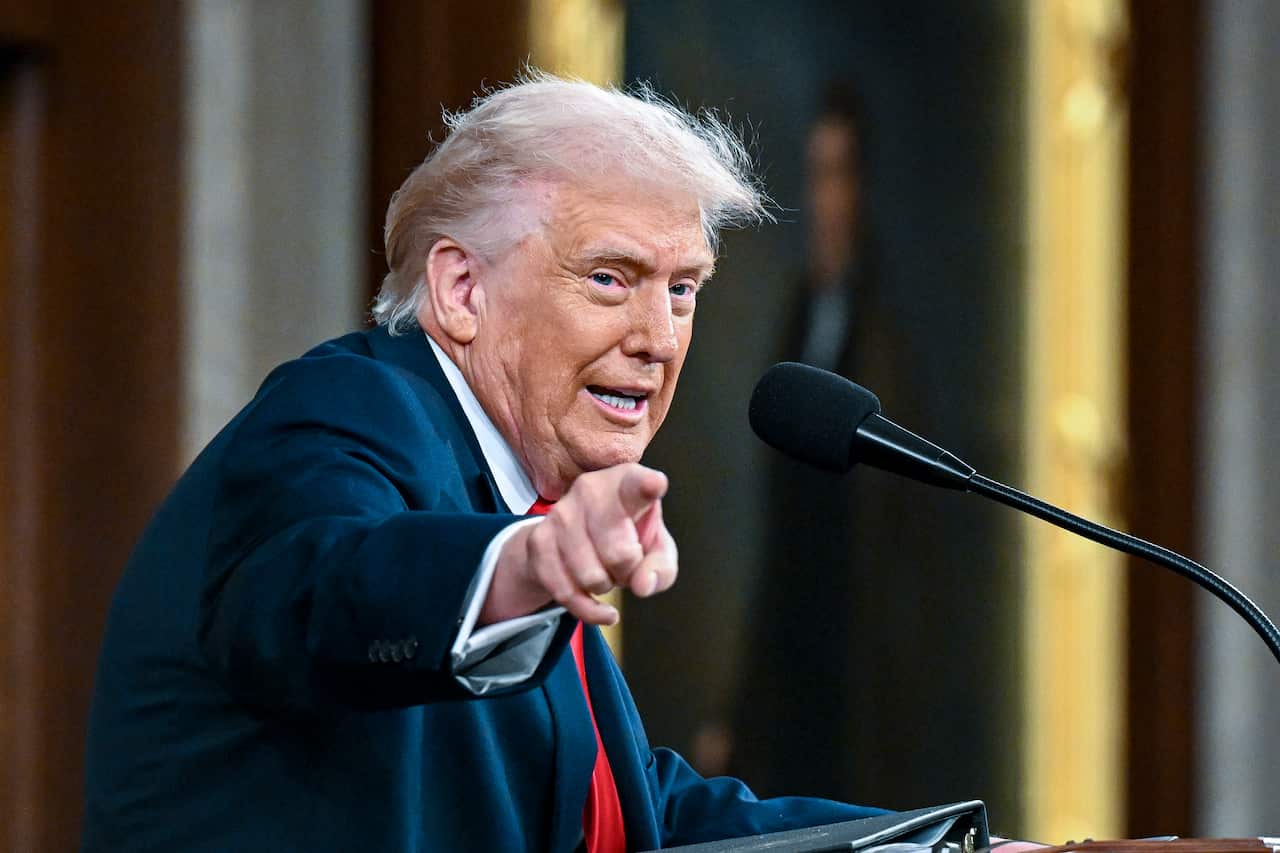
O’Connor said the name of the US operation against Iran — Epic Fury — points to this sense of hyperbole and the kind of historical figure Trump sees himself as.
He said Trump also appears to be backed by an administration that’s enthusiastic about the use of weaponry, pointing to comments made by vice president JD Vance and defence secretary Pete Hegseth in a Signal chat ahead of military strikes against Yemen’s Houthis last year.
The success of the Venezuela operation, which saw US forces capture president Nicolás Maduro, may have provided confidence in a positive outcome.
“[The Iran attack] wasn’t something that [former president] George W Bush wanted to do, or [Barack] Obama, or [Joe] Biden, but in Trump, Netanyahu has found an ally.”
— With reporting by Agence France-Presse.
For the latest from SBS News, download our app and subscribe to our newsletter