

In brief
- Israel’s defence minister has warned that those displaced in Lebanon could not return home until northern Israel was secure.
- Lebanon says more than one million people have registered as displaced.
Israel’s military has launched what it called a limited ground operation against Hezbollah in southern Lebanon, as Beirut said more than one million people had been displaced in two weeks of fighting.
Israel’s defence minister warned that those displaced in Lebanon could not return home until northern Israel was secure, while Hezbollah said it targeted a northern Israeli city.
Lebanon was drawn into the war in the Middle East when Tehran-backed Hezbollah attacked Israel in response to the killing of Iranian supreme leader Ayatollah Ali Khamenei in joint United States and Israeli strikes.
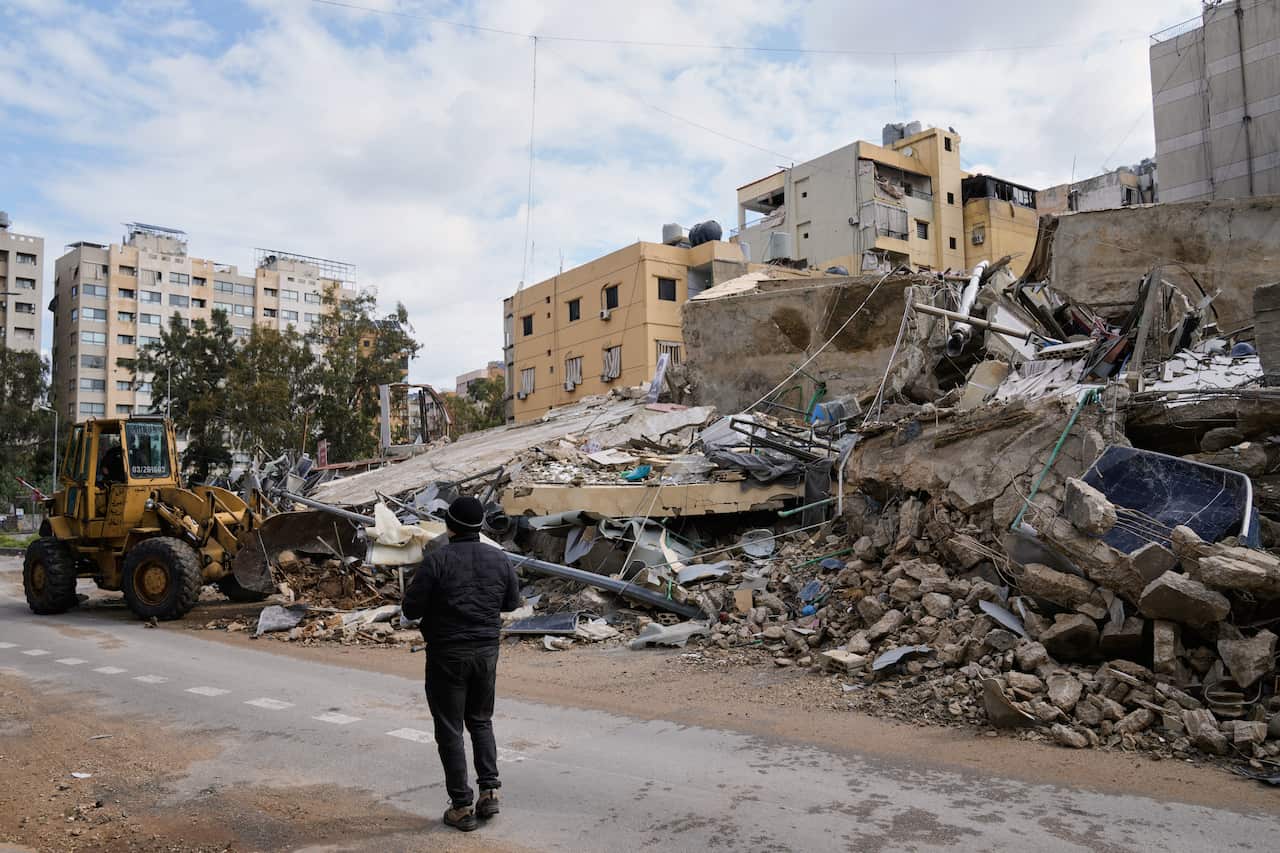
Israel has responded with broad air raids on its northern neighbour and troop incursions into border areas. An Israeli military statement on Monday said that in recent days its troops “have begun limited and targeted ground operations against key Hezbollah strongholds in southern Lebanon”.
“This activity is part of broader defensive efforts” and includes “the dismantling of terrorist infrastructure and the elimination of terrorists … in order to remove threats and create an additional layer of security for residents of northern Israel,” it said.
The ground operations were preceded by air and artillery strikes, it added.
The announcement echoes similar statements issued in 2024, when Israel and Hezbollah fought a major war in Lebanon, and in 2023, when the military launched a ground assault in Gaza in response to Hamas’ October 7 attacks.
In a later statement, Israeli military chief Eyal Zamir said his army was “reinforcing the Northern Command with additional troops in order to strengthen the forward defensive posture”. They have killed “more than 400 terrorists” in their latest war with Hezbollah, according to him.
Hezbollah launches strikes on northern Israel
Hezbollah said it launched rockets and attack drones at the northern Israeli city of Nahariya on Monday. Israel’s Magen David Adom (MDA) emergency responders said paramedics were treating a man “in mild to moderate condition suffering from blast injuries” and six other people for smoke inhalation.
Military sources quoted by Israel’s public broadcaster KAN said the impact was caused by a rocket, while MDA paramedic Yonatan Avilea said the strike hit between two buildings, sparking a blaze.
Hezbollah later said in separate statements that it targeted Israeli troops and vehicles in at least three Lebanese border towns.
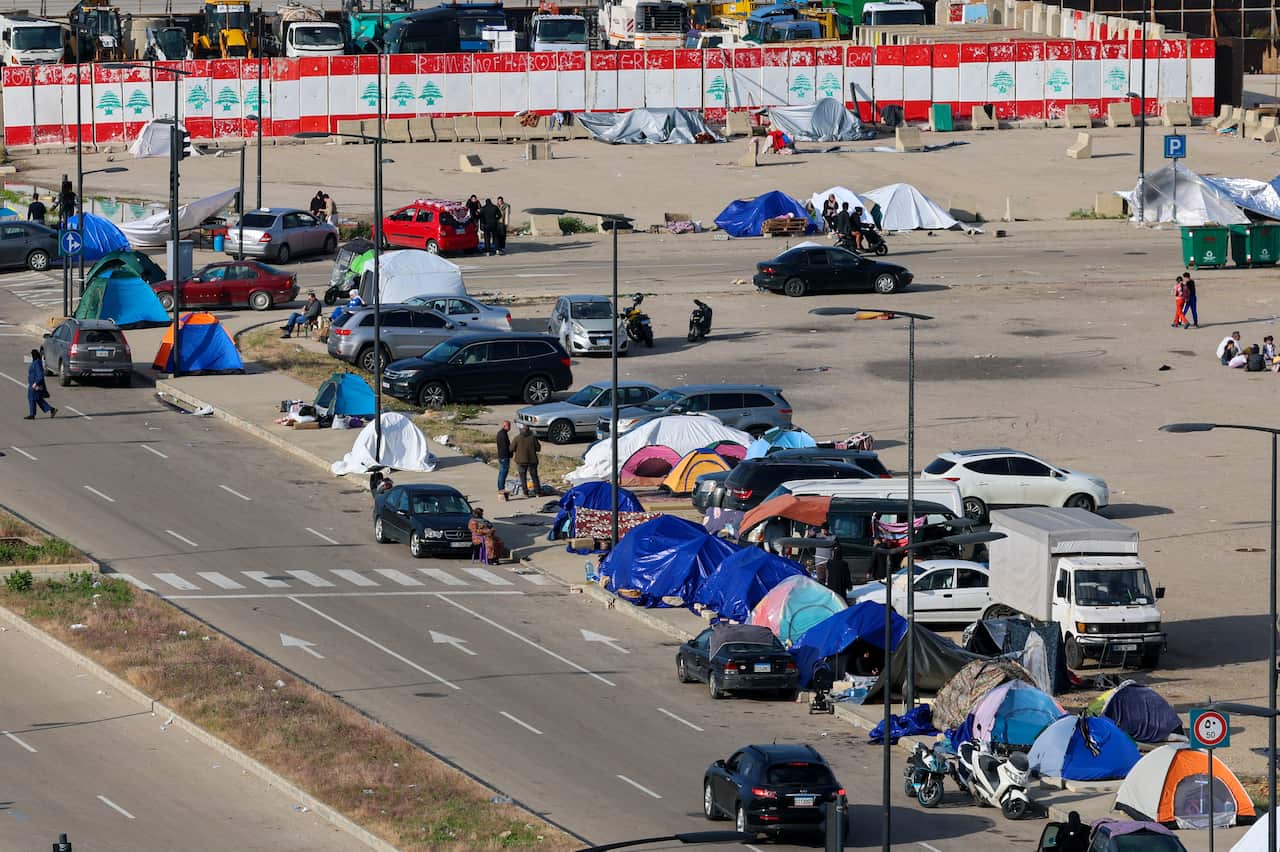
Lebanon’s state-run National News Agency reported strikes on Lebanon’s south, while Beirut said Israeli attacks since 2 March have killed 886 people, including 111 children.
More than one million people have registered as displaced, with 132,000 of them staying in collective shelters.
Türkiye, Canada, European countries criticise ground offensive
Türkiye condemned the Israeli ground operation, saying it was “worsening instability in the region” and warning of “another humanitarian catastrophe” in the Middle East.
In a joint statement, the leaders of Canada, France, Germany, Italy and the United Kingdom warned that “a significant Israeli ground offensive would have devastating humanitarian consequences and could lead to a protracted conflict”.
Israeli military spokesperson Lieutenant Colonel Nadav Shoshani said Hezbollah was “intending to expand their operations … and firing hundreds of rockets a day” toward Israel.
“They have also sent hundreds of Radwan terrorists to the south (of Lebanon),” he added, referring to Hezbollah’s elite unit.
Shoshani said the ground operations were targeting areas where “we understand Hezbollah is posing a threat towards our civilians”.
“Those are new locations that our troops were not operating in yesterday,” he said, adding that “we’ll operate for as much as we need”
In recent days, Hezbollah and Iran have launched coordinated rocket and missile attacks against Israel.
Hezbollah has also reported targeting Israeli forces on the border with Lebanon and in several frontier towns, including “direct clashes” in Khiam, located across from north Israel’s Metula.
Hezbollah has repeatedly announced targeting Israeli forces and vehicles inside Khiam, which was the first point into which Israeli forces advanced after the war began.
Israel preceded its ground operations with strikes on some bridges and roads connecting south Lebanon to the rest of the country.
Since the war began, the Israeli military has issued sweeping evacuation warnings for southern Lebanon, extending more than 40km from its border.
Defence minister Israel Katz warned that displaced Lebanese should not return home “south of the Litani area until the safety of residents in the north (of Israel) is guaranteed”.
The Israeli military has repeatedly said it would not evacuate people from its north, unlike the previous hostilities with Hezbollah, which a November 2024 ceasefire sought to end.
For the latest from SBS News, download our app and subscribe to our newsletter.