

Watch Glasgow: No Vacancy on Tuesday 31 March at 9.30pm AEDT on SBS and SBS On Demand.
Seven-year-old Daria and 12-year-old Devon live with their single mother, Michelle Kerr, in Glasgow. They’re just two of the more than 10,000 children living in temporary accommodation in Scotland — the highest number ever recorded.
Record numbers of people in Scotland are currently living in temporary accommodation.
A former healthcare worker, Michelle and her family found themselves facing homelessness after the private rental they were living in was repossessed.
For three years, the Kerr family has lived in housing limbo — first in a hotel, then two flats, before landing in a two-bedroom temporary accommodation flat in the outer suburbs of Glasgow.
The three of them share the same bed, leaving the spare bedroom available for her eldest daughter, who is 19, when she visits. Michelle says the accommodation they’ve lived in has been dirty and unsafe.
Her greatest concern is for her youngest, Daria, who lives with complex special needs and requires the use of a wheelchair and round-the-clock care.
“Every day I’m walking on eggshells,” Michelle told SBS Dateline.
“In the last flat there was a boiler in her [Daria’s] bedroom, and it had no door on it and she kept biting the wires and things like that.
“The kids aren’t having a normal life at all. They’re not being able to make friends. Daria hasn’t been able to get her services.”
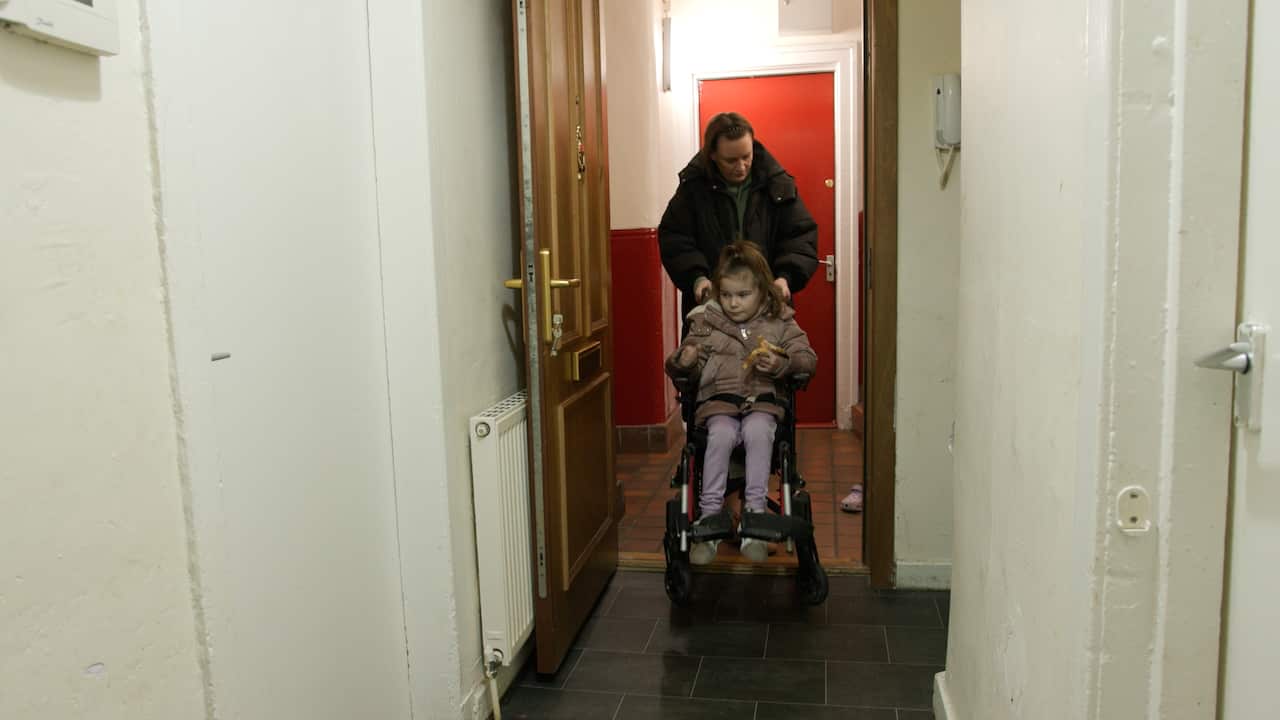
Michelle feels immigration is exacerbating housing shortages, meaning families like hers are waiting longer on the council’s housing list for a permanent home.
“It’s hard because you think, ’I’ve worked all my days in this country, three jobs, paid my taxes, my life’s been made hell’.”
Glasgow is in the grip of a devastating housing crisis — one that’s led to rising anti-immigration sentiment and deep political division.
How the housing crisis has divided Glasgow
In his tiny hotel bathroom sink, Faraz (not his real name) fills a kettle to make tea for his wife. The room is both his bathroom and kitchen, and for now, it’s his home.
Faraz is one of the thousands of refugees living in temporary homeless accommodation across Scotland. Once a member of the Afghan national army, he fled his homeland in 2021 after the Taliban’s takeover.
He travelled to the UK via a human-smuggling route. During the trip, the boat he was in sank, killing four people.
“Migration is not something anyone chooses freely to become a refugee,” Faraz told SBS Dateline.
“After we realized that we were in the UK, we felt happy and felt calm because we believed that our lives would be safe here.”
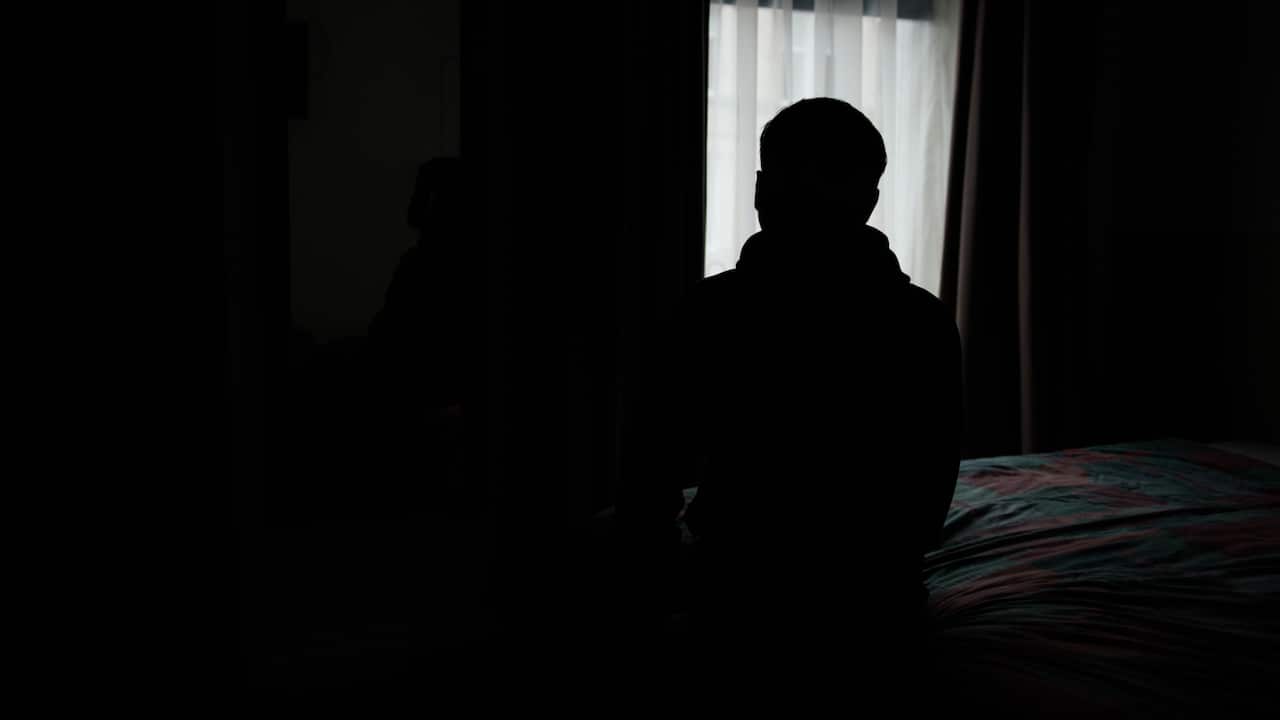
But the welcome for refugees like Faraz hasn’t been as warm as it once was in Glasgow — a city historically known for its open-door spirit.
Anti-immigration protests outside of hotels like the one he is housed in have become a familiar sight. Facing a ‘housing emergency’ and rising austerity, many Glaswegians lay the blame on an increase in immigration.
Rising anti-immigrant sentiment
At one protest in Falkirk, just outside Glasgow, anti-immigration protesters waved banners painted with slogans ‘stop the boats’ and ‘send them home’. They clashed with counter demonstrators who respond by chanting ‘refugees are welcome here’.
Police watched on, taking stock of the rising tensions simmering throughout the city.
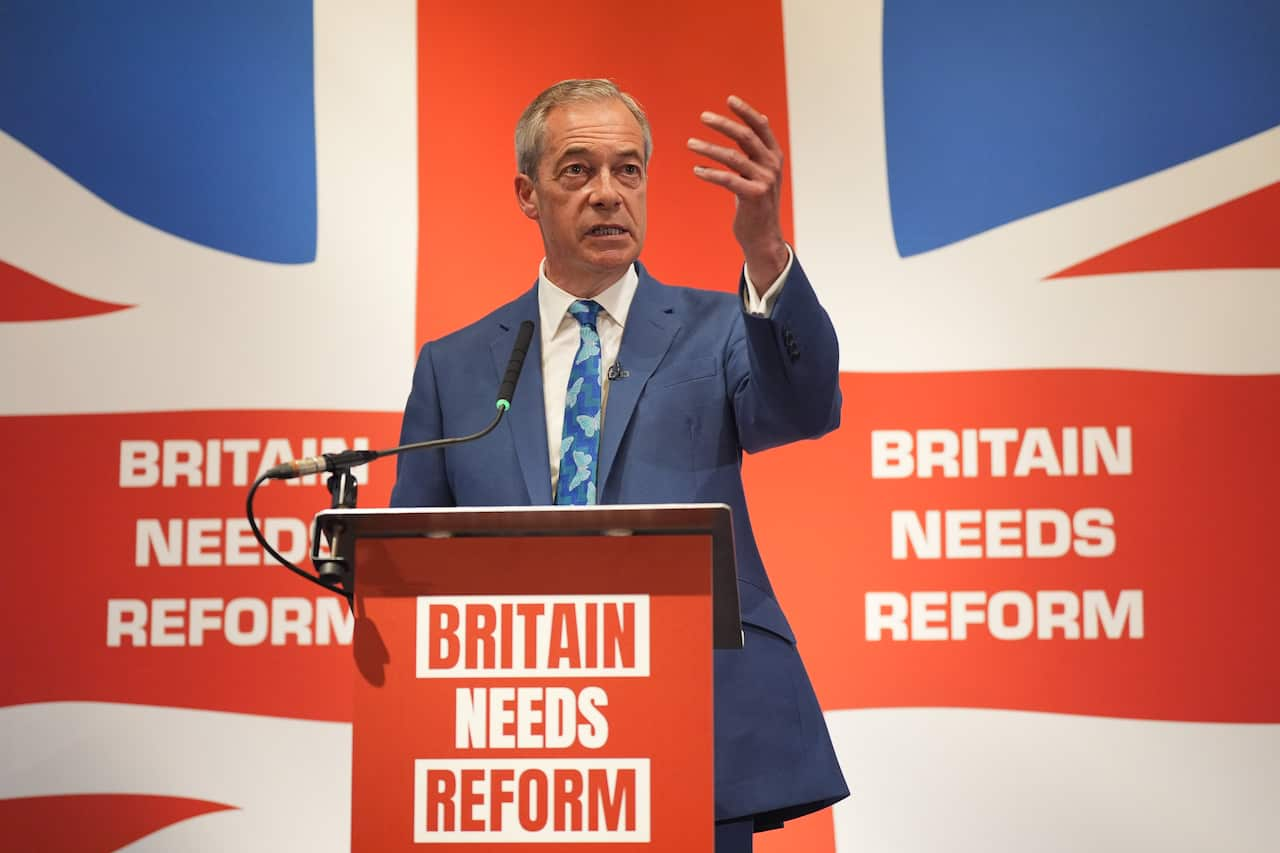
Not far from this protest, Nigel Farage — leader of the anti-immigration right-wing party, Reform UK — spoke at an event for supporters.
“The SNP [Scottish National Party] have chosen to put people who have come here illegally at the top of the housing list ahead of the families in Glasgow,” Farage told the Falkirk audience.
The Glasgow City Council, which is led by the SNP, has said people with refugee status are not prioritised when it comes to allocating temporary accomodation, according to reporting from the Glasgow Times.
Ahead of the Scottish general election on 7 May, polls show support for Reform is growing. It’s on track to become the third biggest party in the Scottish Parliament.
A longtime Eurosceptic, Farage was one of the most vocal supporters of Brexit. Before linking with Reform, he was a longtime member and former leader of the UK Independence Party (UKIP), which championed Britain leaving the European Union. He left UKIP in 2018 and subsequently joined the Brexit Party, which was renamed Reform UK in 2021.
Farage believes Reform could win the next UK general election, which must take place by August 2029. According to Ipsos’ March 2026 voting intention survey of 1062, Reform is currently ahead of both Labour and the Conservative Party in the UK.
Audrey Dempsey, who joined Reform after leaving the Labour Party, is part of efforts to establish the party’s political presence in Scotland.
“They [Reform] acknowledged the fact that the strain on resources and public services and things due to immigration is becoming a real hindrance for the country,” she said.
Dempsey was suspended from the Labour Party in 2024 after alleging white children and teachers in Glasgow were the subject of racially motivated attacks. She was accused of racism, which she rejects, and says her feelings on immigration have nothing to do with race.
“Personally, I don’t blame the refugees or the asylum seekers at all. I blame the government full stop,” she told Dateline.
“Had these people come from France, had they come from Australia, had they come from America … I think it would still be an issue.”
Housing and immigration have become key election battlegrounds. Both the SNP and Labour have pledged to build more affordable homes, whilst Reform is taking a different approach.
The SNP has said that if Scottish independence is achieved, “we can build an asylum and immigration systems geared to meet Scotland’s needs and founded on fairness and human rights”.
“Reform have declared that they would deport people who have come here illegally,” Dempsey said.
She said Reform also wanted to stop benefits “for people who come here illegally”.
“Without housing and without money, it takes away any incentive for people to come.”
It’s not illegal to claim asylum in the UK, and questions have been raised about the legal and financial practicality of Reform’s immigration plans.
Glasgow’s history of welcoming refugees
It’s no coincidence that Reform has its sights on Glasgow.
Since 1999, Glasgow has proudly declared itself a ‘dispersal city’, an area designated by the Home Office to house and support asylum seekers while they wait for their claims to be processed.
Glasgow is the largest dispersal city in the UK and supports more than 3,800 asylum seekers.
Dispersal cities were set up to ease the burden on major metropolitan areas in Britain, like London, and receive funding from the Home Office.
Once asylum seekers are granted refugee status, Scottish local authorities — which have a legal obligation to house homeless people — must then step in and house refugees who present as homeless.
But this generosity is being tested. Glasgow City Council has declared a housing emergency, and in 2025 requested a pause on new arrivals being sent to the city by the Home Office to deal with the city’s housing crisis.
The Glaswegians welcoming newcomers
Despite rising anti-immigration sentiment and a surge in support for far-right politics, many Glaswegians remain supportive of newcomers arriving in the city.
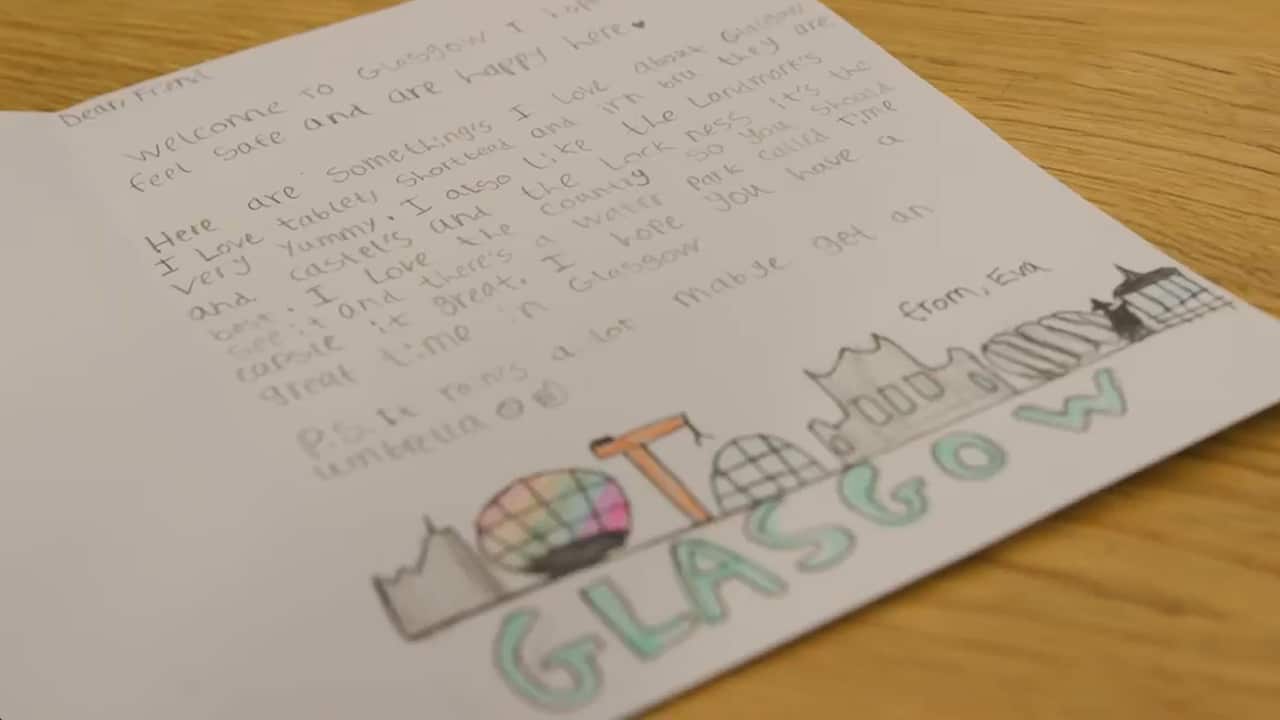
Selina Hales is the founder of Refuweegee, a charity which distributes welcome packs, emergency food parcels and organises community meals and events for refugees starting a new life in Glasgow.
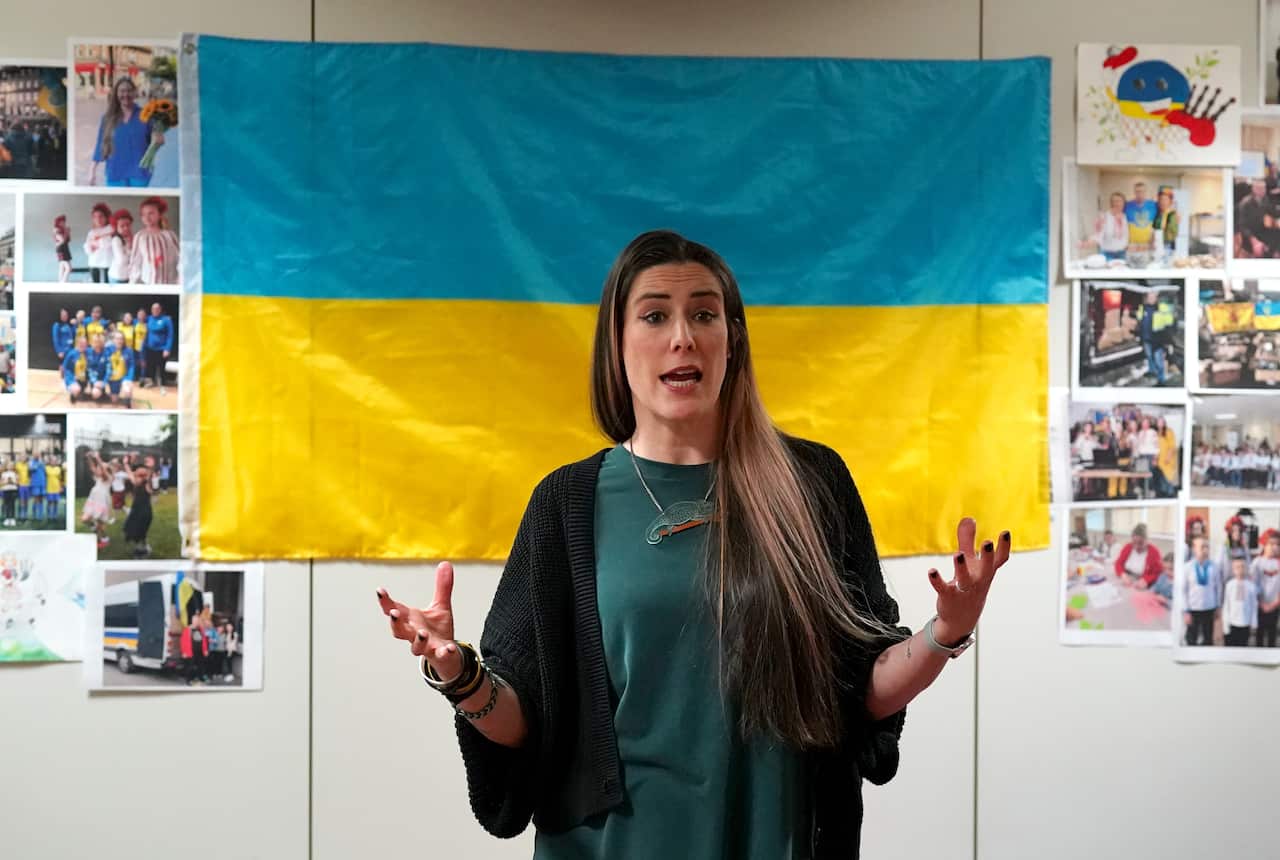
Refuweegee is a blend of the words refugee and ‘weegee’ — a colloquial term for a Glaswegian.
“I think there’s so much negativity attached sometimes to terms like refugee, like asylum seeker,” she said.
“I wanted to create a term that showed respect and welcome and kindness.”
She argues that refugees and asylum seekers are being blamed for a housing crisis that’s been long in the making.
“We see scapegoating of the refugee community all the time. We see it used as a political pawn,” she said.
“We’ve got two huge hotels on the Clydeside [area of Glasgow] empty, not in use, and people sleeping on the street. What we need is radical rethinking of a really, really broken system”.
Social and temporary housing has failed to keep pace with need in Glasgow, and ballooning wait times for permanent accommodation are stretching services like Refuweegee across the city.
“We definitely have only ever seen demand for our services increase. The housing crisis in Scotland at the moment has changed everything and has made it really, really difficult for people.”
But Hales says that the anger and anti-immigration rhetoric aren’t a way out of anything,
“We don’t tackle it by standing arguing on the street. We don’t tackle it by getting into the comment section and falling out with everybody and mud-slinging and name-calling. We tackle it in our communities.”
Watch your favourite Dateline episodes around the clock on SBS On Demand’s dedicated Dateline channel. For the latest from SBS News, download our app and subscribe to our newsletter.