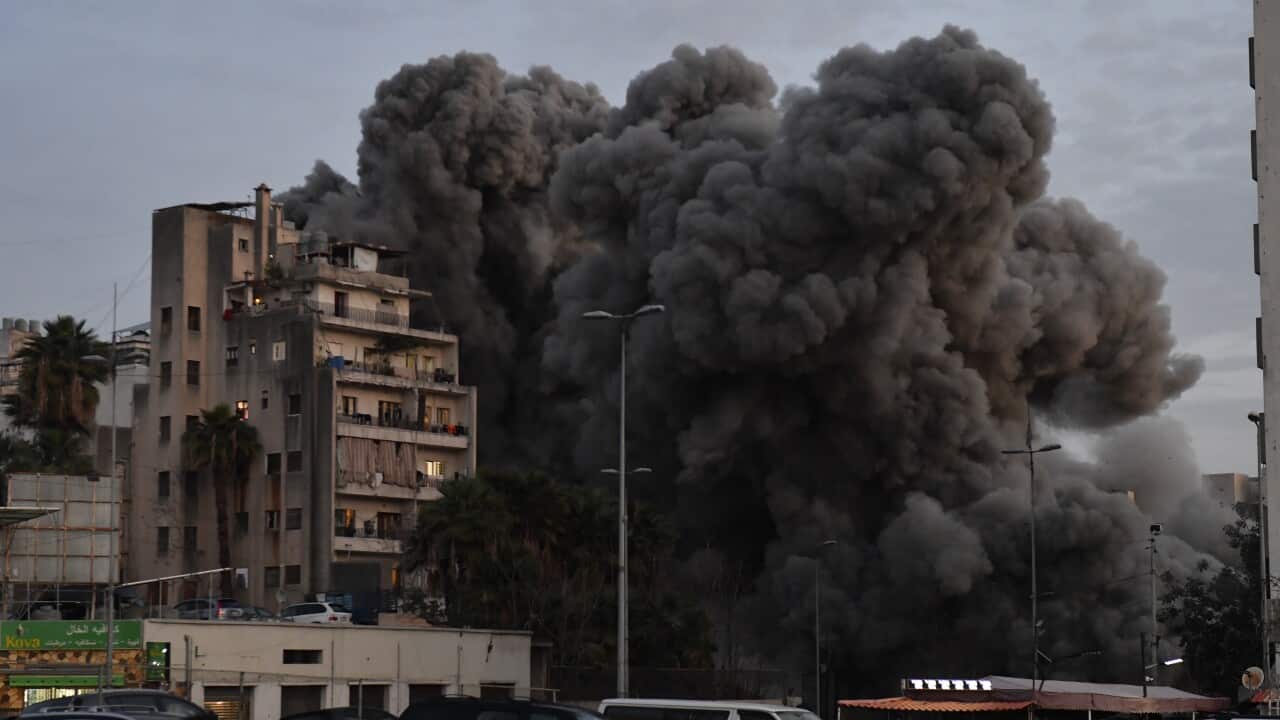


From the crest of a mountain several kilometres away, Abbas Ayoub watches helplessly as his neighbourhood is being destroyed. The 33-year-old is no stranger to displacement, having fled his lifelong home in Beirut twice before.
Ayoub had been living in the southern district of Dahiyeh — widely described as a stronghold of Lebanese political and militant group Hezbollah — when Israeli strikes intensified across the city in early March 2026.
The escalation followed Hezbollah’s rocket fire into northern Israel in response to the killing of Iranian Supreme Leader Ayatollah Ali Khamenei on 28 February.
Nearby explosions woke Ayoub in the middle of the night.
“We left around 3am … and we went up to the mountains that night. It happened suddenly,” he tells SBS News.
“The sound [of the bombs] was very loud, so the people and the kids and the families, they got scared and most of them left immediately.”
It’s not the first time he’s been forced to abandon his home.
He first fled Dahiyeh as a teenager during the 2006 Lebanon war — a 34-day conflict between Israel and Hezbollah that displaced up to one million people at its peak. He left again in 2024, when Israel launched a massive aerial campaign and subsequent ground invasion of southern Lebanon, the biggest escalation since 2006.
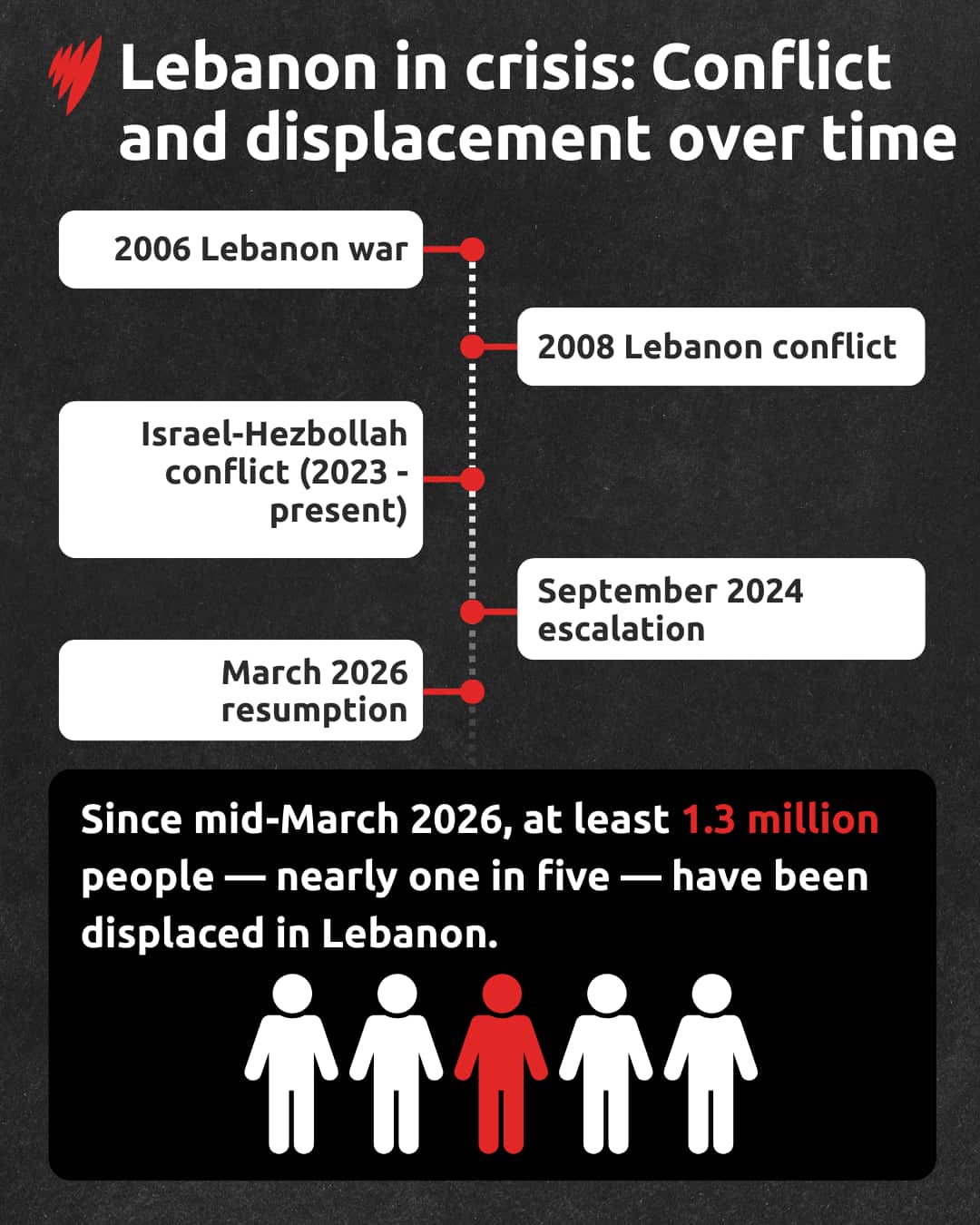
Now, with hostilities escalating again, Ayoub is fleeing for a third time — joining an estimated 1.3 million people who have been displaced from their homes since 2 March.
“I think now most of the Lebanese people, they are adapted now to get displaced. It’s a normal thing now. We just pack our important things and we leave,” he says.
It’s the same tragedy again and again.
“We are adapted to the situation. All the people; they know what to do in crisis time.”
‘Normal people live in Dahiyeh’
The neighbourhood Ayoub fled is one of the most misunderstood places in Lebanon, he says.
Dahiyeh is routinely described as a Hezbollah stronghold, shorthand for the area where the group — designated a terrorist organisation by Australia and other Western governments — has a substantial presence.
For the estimated one million people who call Dahiyeh home, that framing oversimplifies a far more complicated reality.
“Normal people live in Dahiyeh,” Ayoub says.
“There are doctors, there are engineers, there are a lot of educated people. It’s not as the media sometimes shows.
“Of course, there are lots of supporters of Hezbollah because they are the resistance to the Israeli occupation from 1982 until the liberation date in May 2000. So they have a lot of supporters in Dahiyeh, but not all the people of Dahiyeh are members of Hezbollah.”
Lebanon was pulled into the conflict on 2 March after Hezbollah, which is backed by Iran, opened fire at Israel in response to the killing of Iran’s former leader.
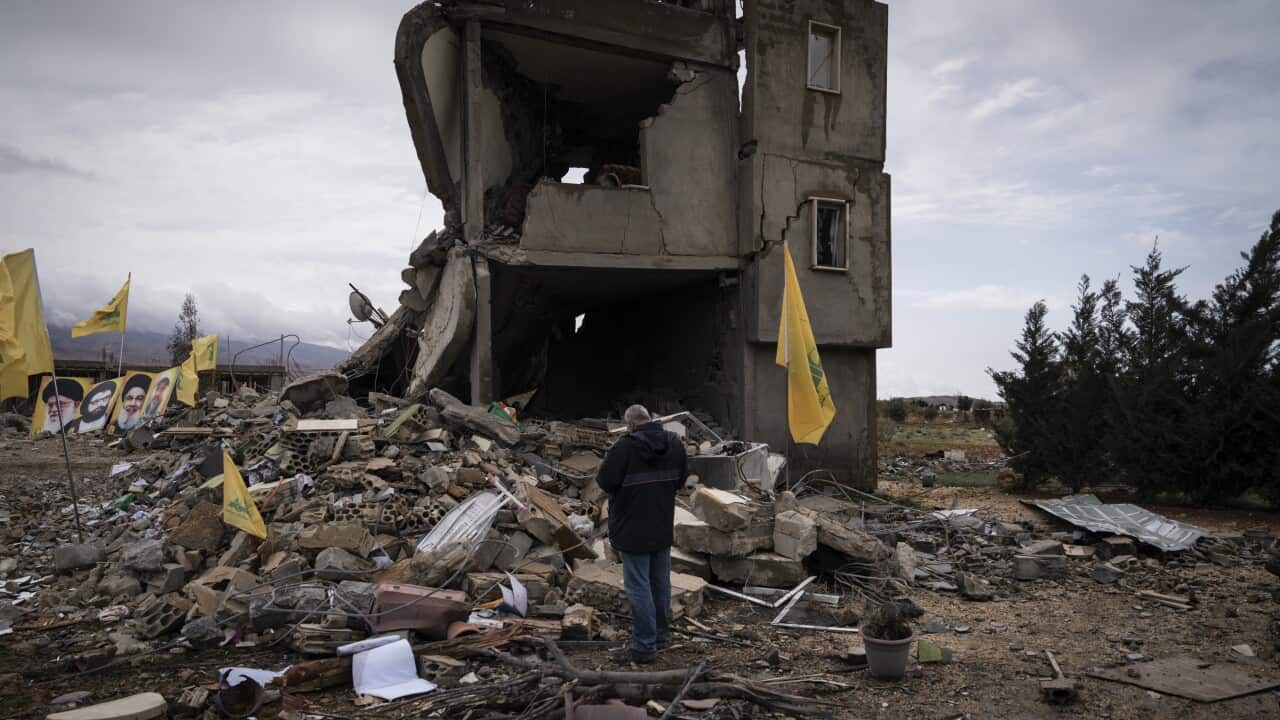
Israel’s retaliation has since killed at least 886 people in Lebanon, driven more than one million from their homes, and left more than 130,000 sheltering in collective facilities, according to Lebanese authorities.
The United Nations (UN) human rights office has said Israeli airstrikes on residential buildings, displaced people and healthcare workers in Lebanon may amount to war crimes — with spokesperson Thameen Al-Kheetan confirming strikes had “destroyed entire residential buildings in dense urban environments with multiple members of the same family, including women and children, often killed together”.
Israel’s military says it is targeting Hezbollah infrastructure and describes its ground operation in Lebanon as a defensive measure to protect northern Israel from Hezbollah attacks.
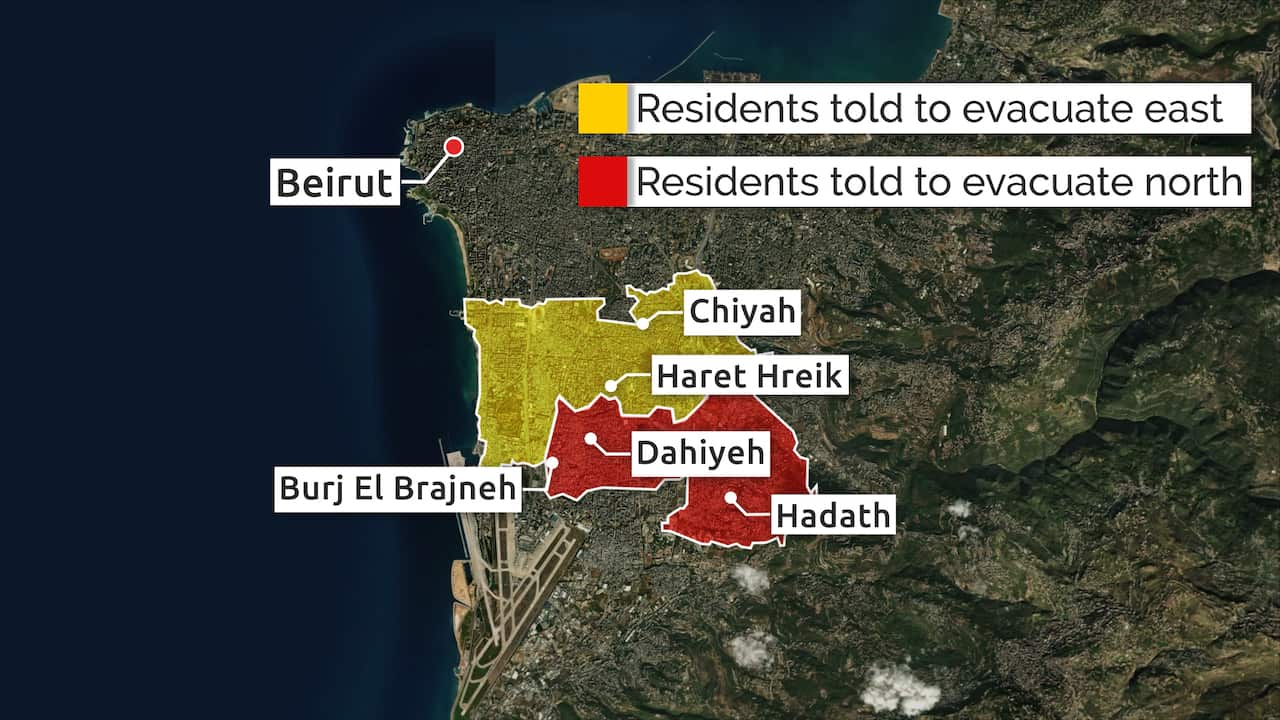
On 5 March, an evacuation order was issued for all residents of Dahiyeh. That same day, far-right Israeli finance minister Bezalel Smotrich warned in a video on X that the area would soon “look like Khan Younis”, a city in southern Gaza largely decimated by Israeli attacks.
Ayoub recalls the chaos that followed.
“The traffic jam was horrible, horrible, horrible,” he says.
“Some people were stuck in traffic for five or six hours.
“It’s not a good feeling to know that my home is in Dahiyeh. There’s a huge risk because Israel [is] destroying buildings and businesses.”
He is now staying at his uncle’s place tucked in the mountains beyond Beirut with his immediate family, his uncle’s family, and his sister’s family — a total of 15 people in one house.
Ayoub says those without relatives to fall back on are in a far worse position.
“There are a lot of poor families who can’t afford to rent an apartment or a hotel … They can’t afford their own meal.”
The war has also gutted the economy. Ayoub, an IT technician who also works sporadically as a tour guide, says he is still earning income — but only a fraction of what he normally would.
“The economic cycle in the country right now has crashed. You can get a quarter of your salary or income due to the war. Some people, they are not getting any income.”
“When the economic cycle stops suddenly, a lot of people are going to spend from their savings. It will put a lot of families into poverty again.”
‘Watching the same tragic movie’
Ayoub’s experience is just one of many.
Between 3 and 6 March, the Israeli military issued sweeping orders instructing residents of entire towns and villages in southern Lebanon, Beirut’s southern suburbs and parts of the Bekaa Valley to evacuate — including an order on 5 March for the entire population living south of the Litani River to leave “immediately” for their “safety”.
That order has since been extended to areas further north, below the Zahrani River.
Collectively, about 14 per cent of Lebanon’s territory is now designated for evacuation, the Norwegian Refugee Council estimates.
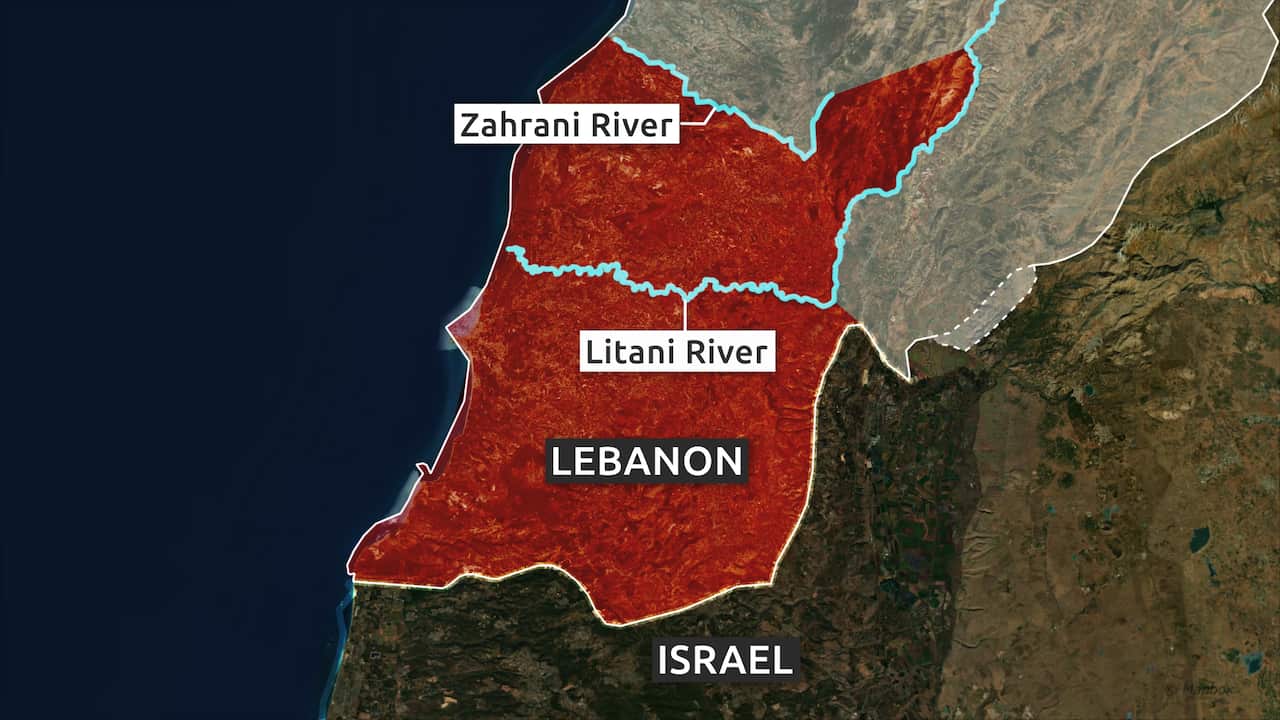
On 8 March, the Israel Defense Forces (IDF) posted on X: “Hezbollah’s terrorist activity is forcing the IDF to operate against the organisation in the area. The IDF does not intend to harm you … Remaining south of the Litani River may endanger your lives and the lives of your families.”
On 16 March, the IDF said it had started “limited and targeted ground operations against key Hezbollah strongholds in southern Lebanon” as part of “broader defensive efforts”, including the “dismantling of terrorist infrastructure and the elimination of terrorists operating in the area”.
But Amnesty International has raised serious concerns about the scope of those orders.
The organisation argues that mass evacuation notices — covering the entirety of Beirut’s southern suburbs and more than 200 villages and towns — may themselves constitute a violation of international humanitarian law.
Amnesty’s Middle East and North Africa regional director Kristine Beckerle said on 7 March: “Issuing mass evacuation orders does not grant the Israeli military the right to treat these areas as open-fire zones, nor does it absolve Israel of its obligations under international humanitarian law to protect civilians.”
The repeated use of “overly broad warnings”, she added, raised serious concerns that some orders were intended to forcibly displace civilians, which is prohibited under international law.
“The absolute impunity that Israel has enjoyed after previous rounds of fighting has paved the way for these same violations of international law to recur, once again placing civilians at grave risk.”
‘Large-scale’ humanitarian crisis in Lebanon
Sabine Abiaad, who is based in Beirut and works for ActionAid Arab Region, a women’s rights organisation, says the scale of what she is seeing is catastrophic.
“What we are seeing right now in Lebanon is a rapidly deteriorating and large-scale humanitarian crisis,” she tells SBS News.
Abiaad says families are fleeing with only a few belongings, often taking only their children.
“Some are staying in shelters. A lot of people are staying in unfinished buildings with their relatives. A lot of people are sleeping on the streets in their cars because they have no place to go.
“The toll on civilians is huge. We are talking about 20 per cent of the population in Lebanon being displaced, which is really an alarming number. This number is continuing to rise, not only because of the forced displacement orders, but also because of the ongoing strikes.”
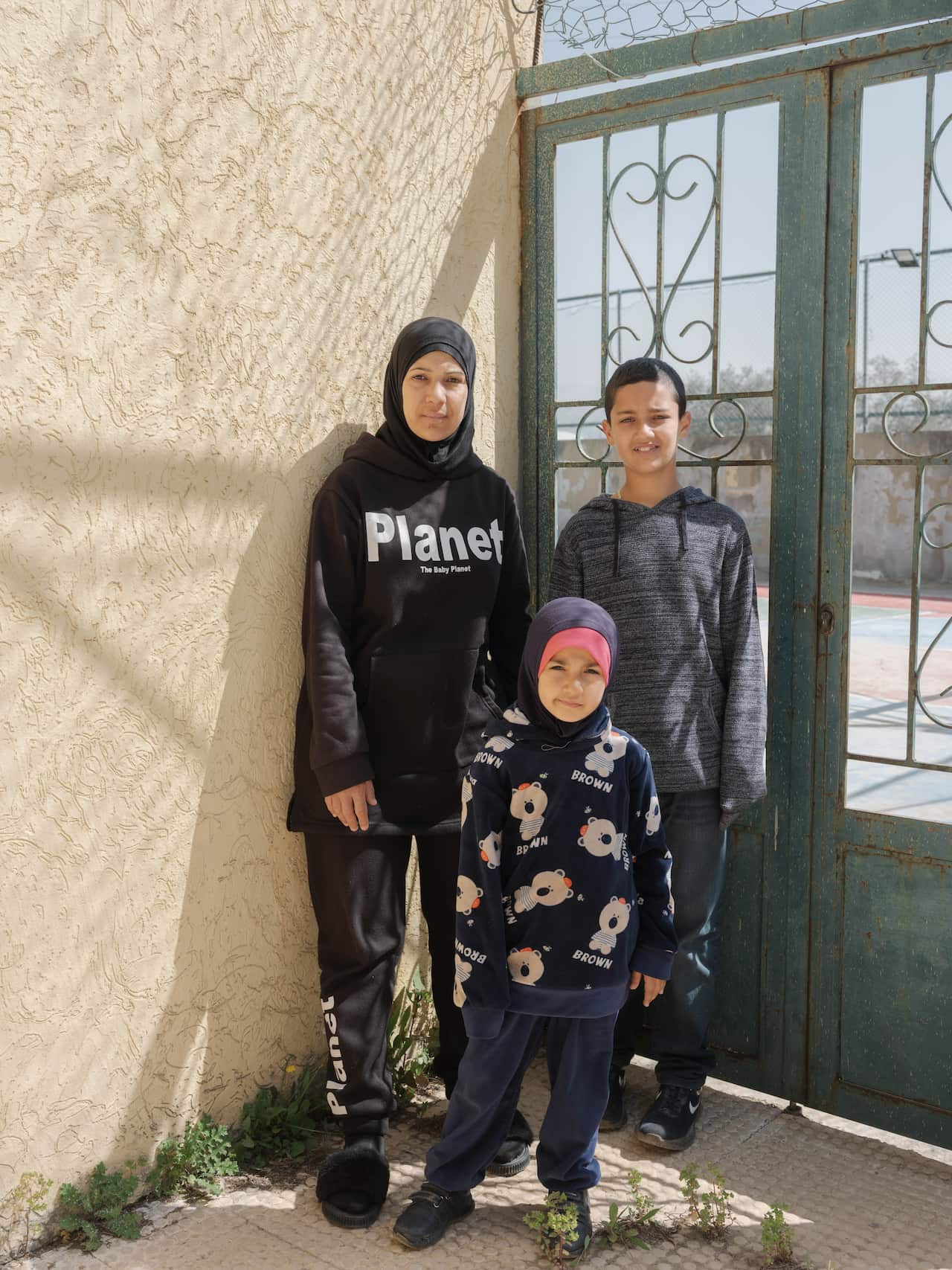
Many of those currently sheltering have been displaced previously.
“People are fleeing over and over again,” Abiaad says.
“In less than two years, people have been forced to leave their homes more than one time.
“It’s like watching the same tragic movie repeating itself again and again.”
‘We are not to blame for what strong people do’
Among the most vulnerable caught in this cycle are Lebanon’s children.
According to Lebanese health ministry figures, at least 111 children have been killed and 334 wounded in Israeli strikes since 2 March — the equivalent of a classroom of children killed or injured per day, UNICEF deputy executive director Ted Chaiban told the Reuters news agency.
Of the more than one million people displaced, around 350,000 are children.
“It’s completely disrupting children’s lives,” Chaiban said.
“No home, no school, no sense of normalcy.”
Israel says it does not deliberately target civilians and that its warnings give civilians enough time to leave before strikes take place.
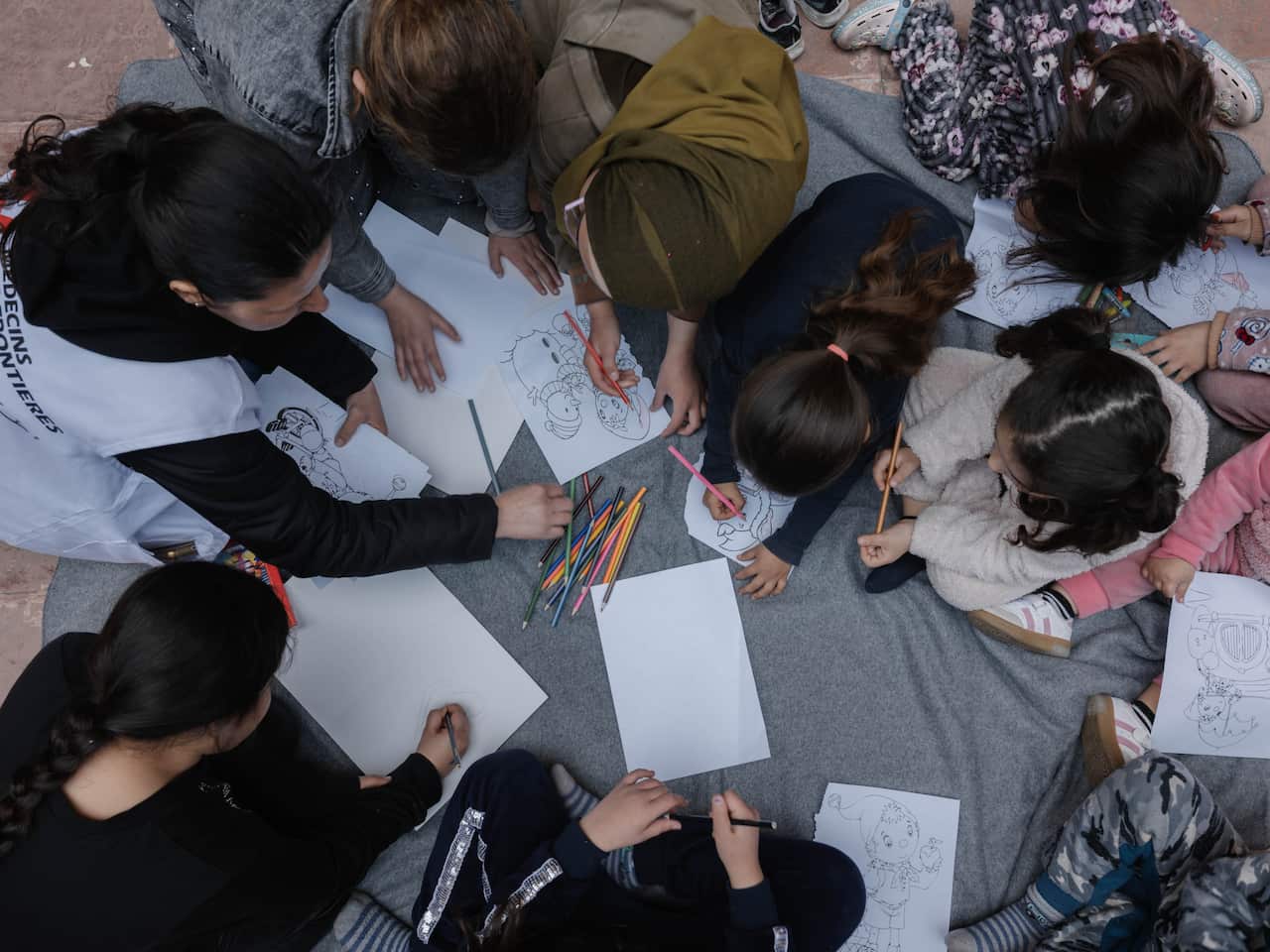
Three children, whose testimonies were gathered by ActionAid and shared exclusively with SBS News, described the emotional weight of the conflict and the pain of approaching Eid al-Fitr, the Islamic holiday marking the end of Ramadan, under these conditions.
“Even our friends have gone underground and become angels with God,” one child said.
Who will we play [with] and be happy with? We want to celebrate Eid; we are still young.
Another said: “This year we will not buy new clothes for Eid, nor will we visit relatives, because we were displaced from our home due to the bombing around us. We will not go to play, we will not go to amusement parks, and we will not go out [or do anything] because of the war.”
A third said: “War is extremely difficult and harsh, especially for those under fire. We are not to blame for what strong people [adults] do, nor are we to blame for wars.”
Ayoub worries the war is having a “huge impact” on the older children in his family.
“[Children that are] two or three years old, they can’t feel it. They know nothing about the war, they just want to play. But those aged 10 and above, it has a huge impact on them,” he says.
“But at least we can adapt with the situation. We consider ourselves lucky compared to other families who are suffering more.”
Abiaad warns shelters are overcrowded and people’s needs are going unmet.
People in Lebanon are exhausted. They want to live safely in dignity and have the chance to rebuild their lives again.
“It’s changing hour by hour in Lebanon,” she says.
“People had to leave multiple times in a short period. They don’t know if they are going to be able to return to their homes. They don’t know when this is going to be over.”
“Behind these numbers are real families, real people who are exhausted, tired, and they want to live safely and protect their children in Lebanon.”
‘If we still have a home’
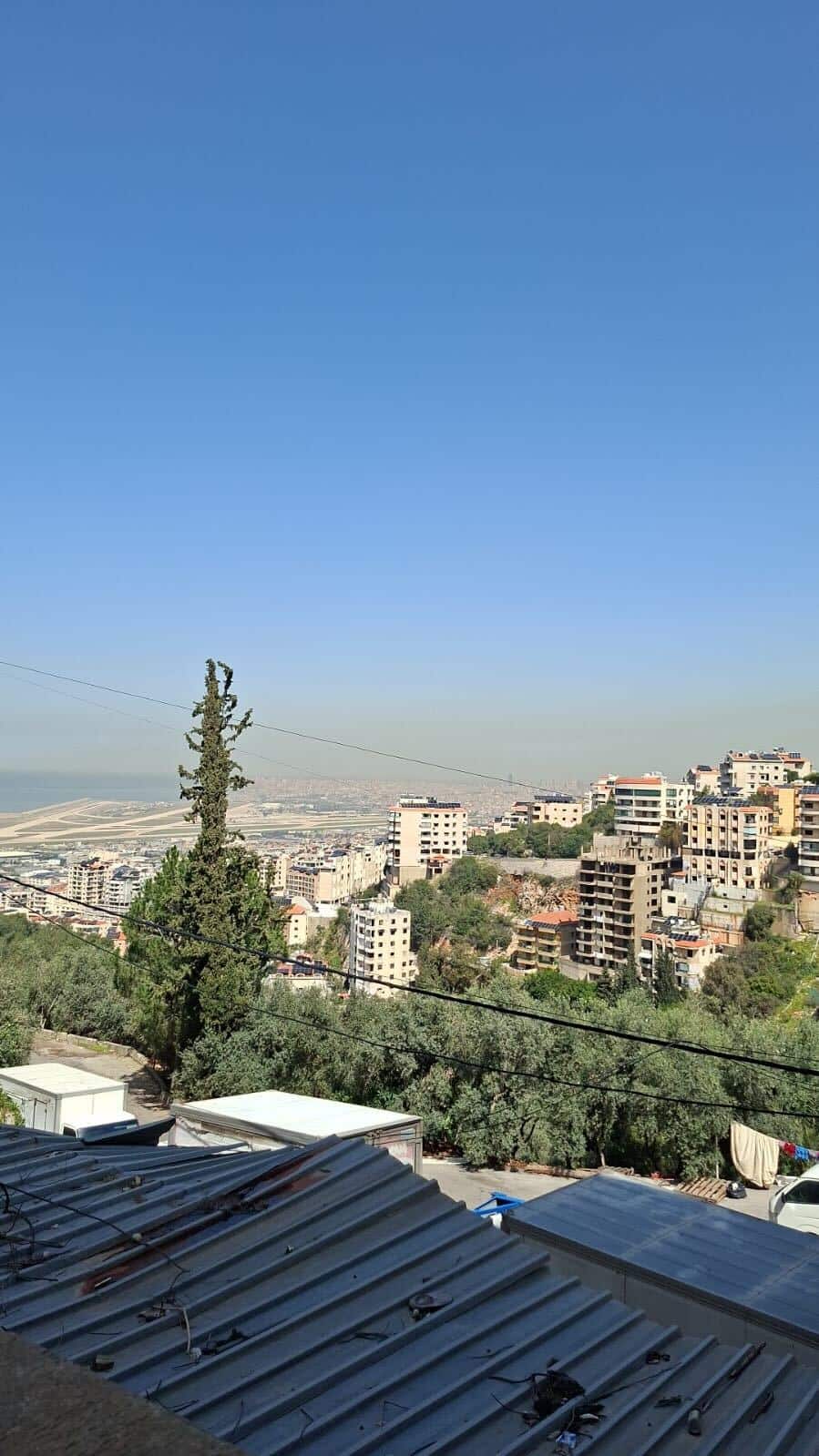
From his vantage in the mountains, about 12km from home, Ayoub can still hear Dahiyeh being struck.
“It’s like a deep explosion sound, and we can see, of course, the columns of smoke,” he says.
Amid the uncertainty, he is keeping routines as normal as possible.
“Every day, we are trying to gain hope. Doing sport, doing your regular hobbies. We’re trying our best to keep on track,” he says.
He watches the news each day, trying to anticipate what will come next.
“It seems like it’s going to be a long war because it’s not only Lebanon involved.”
But Ayoub has not given up hope for Lebanon.
“I want to live and I want to stay. I love this country. We have a high potential in Lebanon, we just need some stability in this country … we have a lot of resources, a lot of smart people in Lebanon.
“We hope this war will end soon. We want to get back to our normal.
“When it ends, we will get back to our home — if we still have a home.”
For the latest from SBS News, download our app and subscribe to our newsletter.