

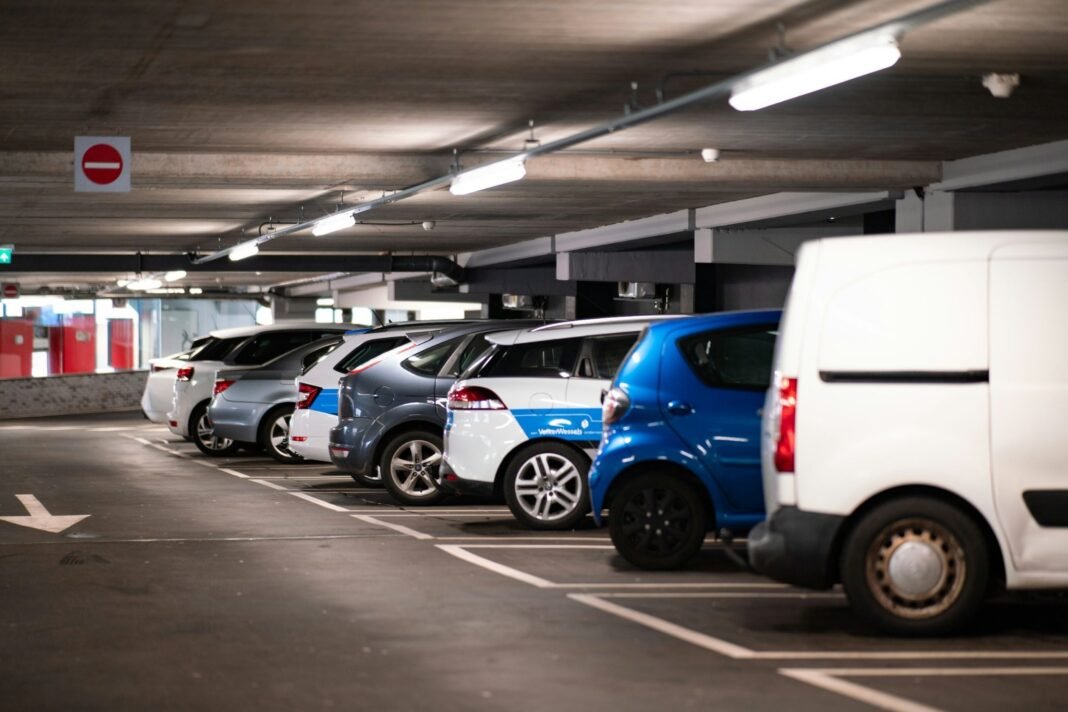

For an electrician, plumber or carpenter, the work van is the business on wheels. It carries thousands of dollars in tools, materials for the week’s jobs and often the paperwork for customers waiting on a quote. When that van disappears from a driveway or a job site overnight, the loss is the vehicle plus every job that cannot start until the tools are replaced.
How common is vehicle theft for small businesses?
Vehicle theft has fallen from its recent peak, but it remains a serious problem. More than 650,000 vehicles were stolen in the United States in 2025, and work vans attract thieves because of what is inside them. Power tools, copper fittings and diagnostic equipment are easy to resell and hard to trace once they leave the van.
Small trade businesses are especially exposed. Vans often stay parked overnight at an employee’s home, on a residential street or outside an apartment building where nobody watches them. Many owners discover the theft only the next morning, when a technician calls to say the van is gone and the first appointment of the day has to be canceled.
What happens in the first hours after a van is stolen?
The first steps are the same for every business: call the police to file a stolen-vehicle report, then contact the insurance company. Officers will ask for the license plate, vehicle identification number, a description of the van and the time it was last seen. Without any location information, that report goes into a list of stolen vehicles and the owner waits.
Meanwhile, the business has to decide how to cover the work. A rented van does not come with the right tools, and borrowed equipment from another crew leaves that crew short. Every hour spent rearranging the schedule is an hour not spent on paid work.
How does a vehicle tracker help after a theft?
A vehicle tracker records where a van is and where it has been, which gives the owner something concrete to share with the police. Instead of reporting that a white van was taken sometime overnight, the owner can point to its last known location and the time it started moving. Tracking does not guarantee that a stolen van or its tools will be recovered, and the owner should never try to retrieve a vehicle on their own. It does give officers a better starting point.
Some systems can also alert the owner when a vehicle moves outside normal working hours. A notification at 2 a.m. allows a call to the police while the van may still be nearby. Trackers work best alongside basic precautions, such as these:
- never leaving keys in the van, even during a quick stop
- parking in well-lit areas or behind a locked gate when possible
- keeping tools locked in the van or removing the most valuable ones overnight
- recording serial numbers and photos of tools so they can be identified later
Insurance terms vary by provider and policy, so owners should ask their insurer directly how a tracking device is treated. Even where it does not change the policy, location records help document what happened and when, which supports the claim. Day to day, the same tracker helps with dispatching, mileage records and maintenance planning, so it stays useful in ordinary weeks too.