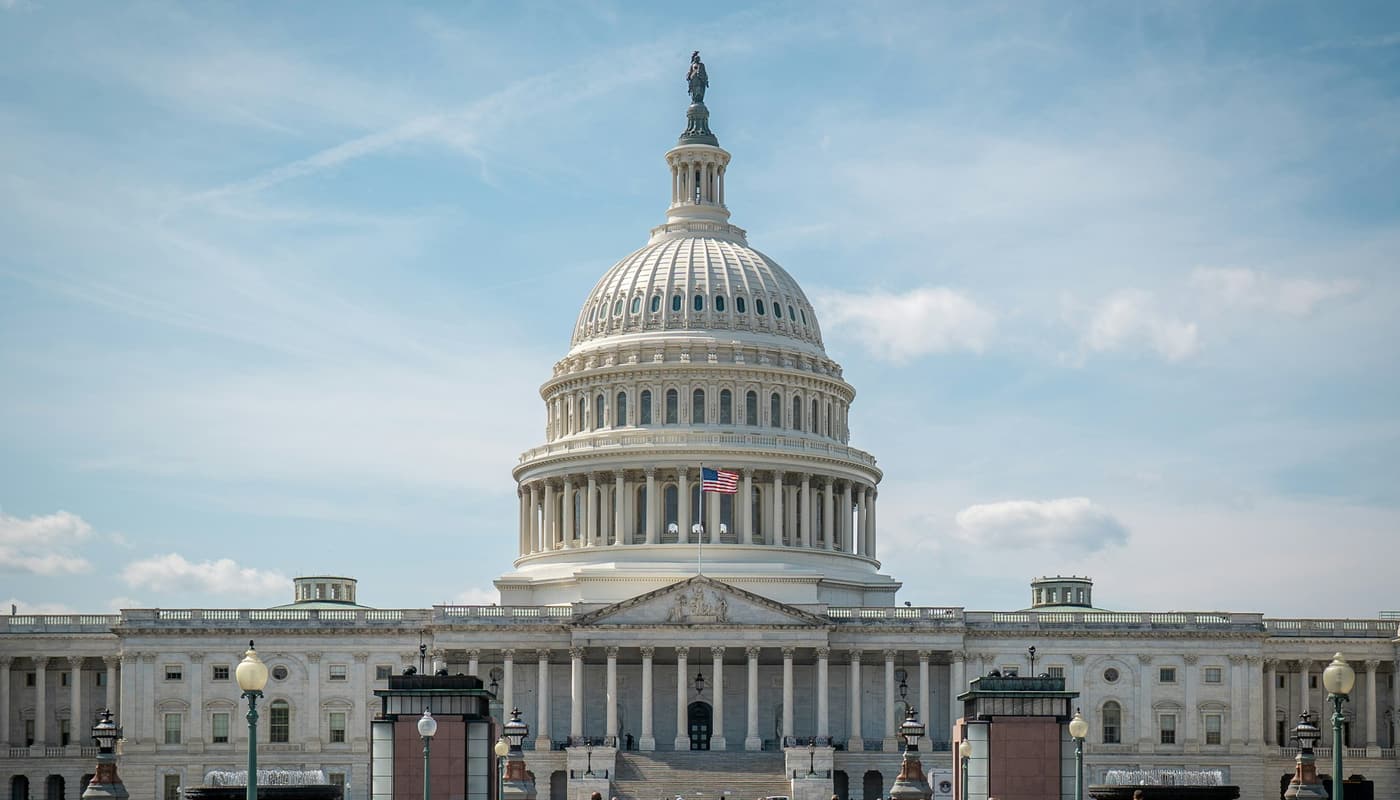
How Lame-Duck Sessions of Congress Work and What They Handle
After every November election, the sitting Congress keeps working until January 3. Here is where the lame-duck period comes from, what it has been used for, and what its limits are.
Politics Desk
The Overpasses for America Politics Desk explains how American government and elections work. Stories on this desk separate reporting and explanation from opinion, attribute claims, and name the sources they rely on.

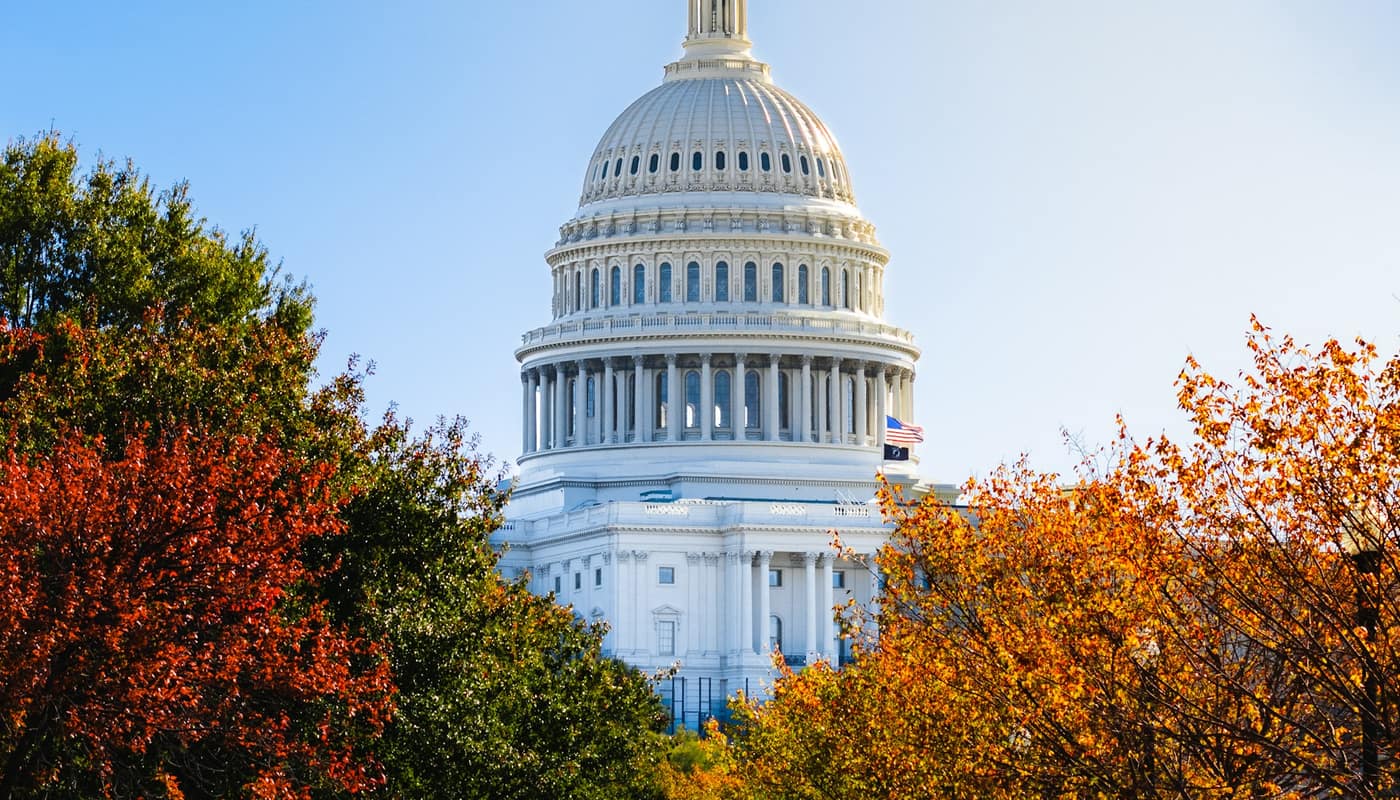
After every November election, the sitting Congress keeps working until January 3. Here is where the lame-duck period comes from, what it has been used for, and what its limits are.

Executive orders are among the most visible tools a president has, yet the Constitution never mentions them. This explainer covers what they are, how they are published, and how courts and Congress can check them.

Election Night totals are unofficial. Between the first reports and a final result sit the canvass, audits, possible recounts and certification, and the rules differ by state.

There is no single national election system. States set most of the rules, and thousands of local offices carry them out. Here is who does what, from registration to certification.

Most bills never become law. The path runs through committees, two chambers that must agree on identical text, and the President's desk. Here are the steps, and where bills get stuck.

Americans do not vote directly for president. They choose electors state by state. Here is how the system works, step by step, and the arguments people make for and against it.

Congress has to pass spending bills every year. When it does not finish in time, a funding gap can close parts of the government. Here is how the process works and what a shutdown stops.