Photo by Cemrecan Yurtman on Unsplash
Sponsored content. This article was supplied by a third party and includes a link to a commercial service.
A fire watch is generally required during hot work whenever sparks or heat could reach flammable materials, and it usually must continue for a set time after the work stops. The exact length depends on the standard and the local rules that apply to your site.
Hot work causes fires because sparks can smolder unseen for a long time. This guide explains what counts as hot work, when a fire watch is needed, and how long it should last, so you can plan before the first spark flies.
What Is Hot Work, and Why Does It Start Fires?
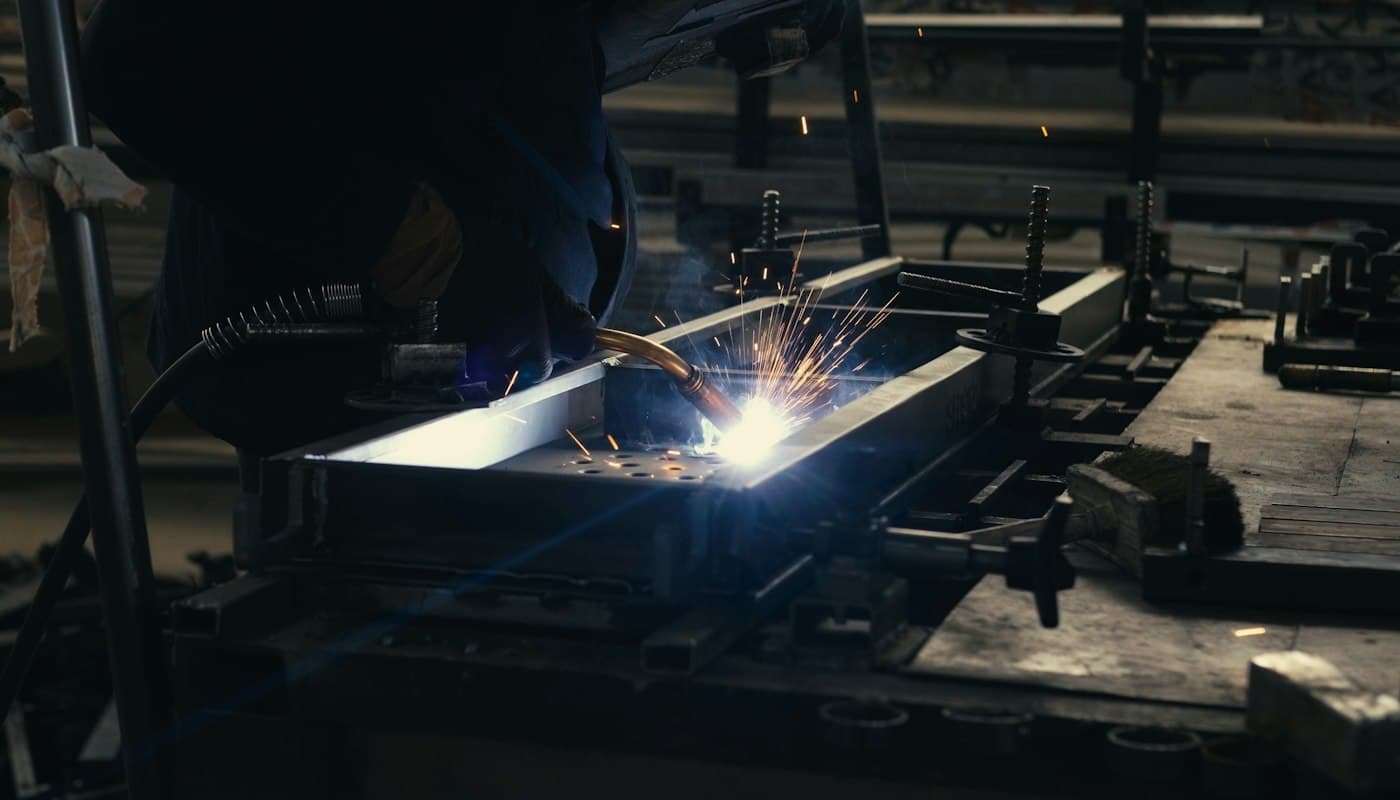
Hot work is any task that creates sparks, flames or enough heat to ignite nearby materials. Welding, cutting, brazing, soldering, grinding and torch-applied roofing are common examples.
The danger is not only the flame itself. Sparks can travel many feet, drop through gaps in floors, roll under walls and settle in insulation, wood, dust or packaging. A tiny ember can smolder quietly for an hour or more before it bursts into flame, often after the crew has left.
That delay is the reason fire watches exist. A trained person stays behind to look for smoldering fires that the crew cannot see or has already stopped watching.
When Is a Fire Watch Required During Hot Work?
A fire watch is required when hot work takes place where a fire could start and where other fire protection is not enough on its own. Most rules focus on nearby combustible materials and on places where sparks can travel out of sight.
Common triggers include the following situations.
- Combustible materials such as wood, paper, plastic or fabric within about 35 feet of the work.
- Openings in walls, floors or ducts where sparks could fall or blow through to another area.
- Combustible materials on the other side of a wall or partition that could be heated by the work.
- Work on or near walls, ceilings or roofs that contain combustible construction or insulation.
- Any time the fire alarm or sprinkler system is out of service in the area.
Standards such as NFPA 51B and OSHA’s welding and cutting rules describe these conditions in detail. The local fire marshal, also called the authority having jurisdiction, may add requirements or ask for a watch even where the standards do not.
How Long Must a Fire Watch Last?
A fire watch must be in place during the hot work and continue afterward for a minimum period. OSHA’s welding and cutting rules call for at least 30 minutes after the work is finished, and some standards and local codes require longer.
Recent editions of NFPA 51B and many local fire codes call for a longer watch, often up to an hour, and some require additional checks of the area for several hours after the work. The rule that applies to you depends on which edition your jurisdiction has adopted.
Several factors can extend the watch. Large amounts of combustible material, hidden spaces, heavy sparks, poor access and high winds can all justify a longer period. When in doubt, a longer watch is safer than a shorter one.
Confirm the exact time with the fire marshal and your insurer before you start, and write it on the hot work permit.
What Is a Hot Work Permit, and How Does It Relate to the Fire Watch?
A hot work permit is a written approval that confirms the area is safe for hot work and lists the precautions in place. The fire watch is one of those precautions.
The permit normally records the location, the type of work, the start and end times, who is responsible, the fire watch assignment and the required watch period. Someone with authority checks the area before work begins and signs off.
A permit helps in two ways. It forces everyone to think through the risks before the work starts, and it provides a record if an inspector or insurer asks questions later. Keep copies on site and file them afterward.
What Does a Hot Work Fire Watch Actually Do?
A hot work fire watch observes the work area, looks for sparks and smoldering material, and is ready to act. Their only job during the shift is to watch.
Before the work starts, the guard confirms that combustibles have been moved or protected and that a fire extinguisher is within reach. During the work, they keep eyes on where sparks land, including areas the welder cannot see. They check floors above and below, and the other side of walls, when sparks could pass through.
After the work, they continue patrolling for the full watch period, checking for smoke, heat and glowing material. If they spot a small fire, they use the extinguisher if it is safe to do so. If not, they sound the alarm and call emergency services right away.
Finally, they record the times, areas checked and anything unusual. A complete fire watch log is a key part of hot work safety.
Who Can Serve as the Fire Watch?
The fire watch should be someone trained in fire hazards and extinguisher use who has no other duties during the shift. Using a welder’s helper who is also handling tools is not a true fire watch.
Some job sites assign trained employees. Others hire professional fire watch services so that the crew can stay focused on the work. Either way, the person must stay alert, hold the right training and stay on duty for the whole required period.
Remember that hot work often happens at the end of a shift, when the crew is tired and ready to leave. That is the time when a dedicated watch matters most.
How Do You Choose a Fire Watch Provider for Hot Work?
Choose a provider that supplies trained guards, documents every round and can respond when your schedule changes. Hot work often moves with little notice, so flexibility matters.
Ask whether a live person is available around the clock, how patrols are recorded and who your site contact will be. Request a written quote with rates and terms. When comparing fire watch services, ask for response commitments in writing instead of relying on marketing claims.
For example, Fast Fire Watch Guards lists hot work fire watch among its services and says on its website that it offers 24/7 live dispatch, GPS-tracked patrols and written logs. Whichever provider you consider, confirm these details in your contract before the work begins.
Frequently Asked Questions
Is a fire watch always required for welding?
Not always, but often. A watch is typically required when combustibles are nearby, when sparks can reach hidden spaces or when other fire protection is limited. Rules differ by site and jurisdiction, so check with the fire marshal and your insurer, and follow the strictest requirement that applies.
How long does a fire watch need to stay after hot work ends?
OSHA’s welding and cutting rules call for at least 30 minutes. Many standards and local codes require longer, sometimes an hour or more, plus extra checks afterward. Confirm the required time for your location, write it on the permit and never cut the watch short.
Can the welder act as the fire watch?
No. The welder is focused on the task and cannot watch for sparks in all directions. A fire watch should be a separate, trained person with no other duties. That person must stay alert, hold an extinguisher and keep watching throughout the required period.
Do I need a fire watch if the sprinklers are working?
Often yes. Sprinklers help, but they may not reach hidden spaces, and standards still call for a watch in many hot work situations. If the sprinkler system is shut off, the need becomes even stronger. Ask the fire marshal what applies to your project.
Can I hire outside help for hot work fire watch?
Yes. Many sites use professional fire watch services because they provide trained guards, round-the-clock coverage and written records. Confirm the guards’ training, request a written quote and check proof of insurance before you sign. Make sure the provider understands your permit and timing.
Final Thoughts
Hot work is a normal part of construction and repair, but it carries real fire risk. A trained fire watch, a clear permit and a long enough watch period give crews and buildings the protection they need.
Before your next job, confirm the rules with your fire marshal, plan the watch into the schedule and speak with a qualified provider if you need help.