Hot Work Safety: When a Fire Watch Is Required and How Long It Must Last
A fire watch is generally required during hot work whenever sparks or heat could reach flammable materials, and it usually must continue for a set time after the work stops.

Business & Markets Desk
The Overpasses for America Business & Markets Desk covers the economy, work, money and digital assets. Stories on this desk are general information, not personalized financial, investment, tax or legal advice, and they name the sources they rely on.

A fire watch is generally required during hot work whenever sparks or heat could reach flammable materials, and it usually must continue for a set time after the work stops.


The monthly JOLTS report counts job openings, hires, quits and layoffs. Here is how the Bureau of Labor Statistics builds it, how to read the rates, and what the September 2026 figures show.

Crypto exchange-traded products used to need case-by-case federal sign-off before listing. Here is how that changed in 2025, what the SEC said, and what the rules still do not promise investors.

The Federal Reserve's 2 percent inflation goal is defined by the PCE price index, not the CPI most people see in headlines. Here is how the two measures differ and what the September 2026 readings show.

The Fed does not set your mortgage or credit card rate. It steers a short-term benchmark, and everything else follows. Here is how the decision gets made and what it affects.

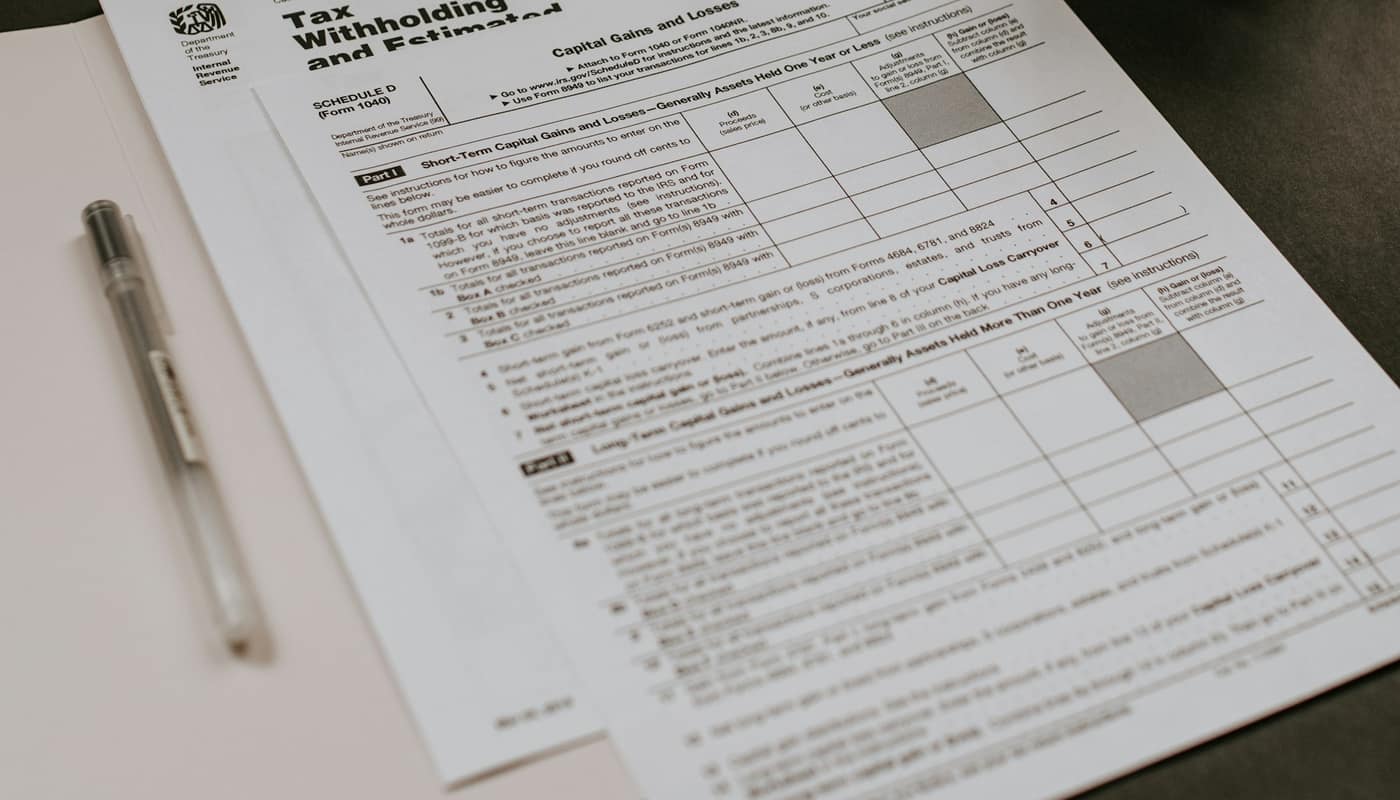
For tax purposes, the IRS treats digital assets as property. That means selling, swapping or spending them can create a gain or loss. Here is what is taxable, what is not and what is changing.

The CPI is the number behind most inflation headlines. It tracks a fixed basket of everyday purchases, so it describes an average household, not necessarily yours.

Bitcoin is a shared ledger kept by thousands of computers, with no central operator. Here is how transactions are recorded, what mining does, and why the supply is capped at 21 million.

The jobs report packs two surveys, several rates and regular revisions into one release. Here is what each number means and which ones deserve the most attention.

A stablecoin is a crypto token designed to stay worth about one dollar. Whether it does depends on what backs it. Here are the main types, the known failures and the new federal framework.

A tariff is a tax on imported goods, collected at the border from the importer. Who bears the cost in the end depends on prices, competition and how other countries respond.

Who holds the keys to your crypto is one of the most consequential choices a holder makes. Each option has different risks, and neither is covered by deposit insurance. Here is how they compare.

Think fire watch guards and security guards are basically the same job? They’re not. Here’s why mixing them up could cost your business — or worse.