Photo by Ali Mkumbwa on Unsplash
Sponsored content. This article was supplied by a third party and includes links to a commercial service.
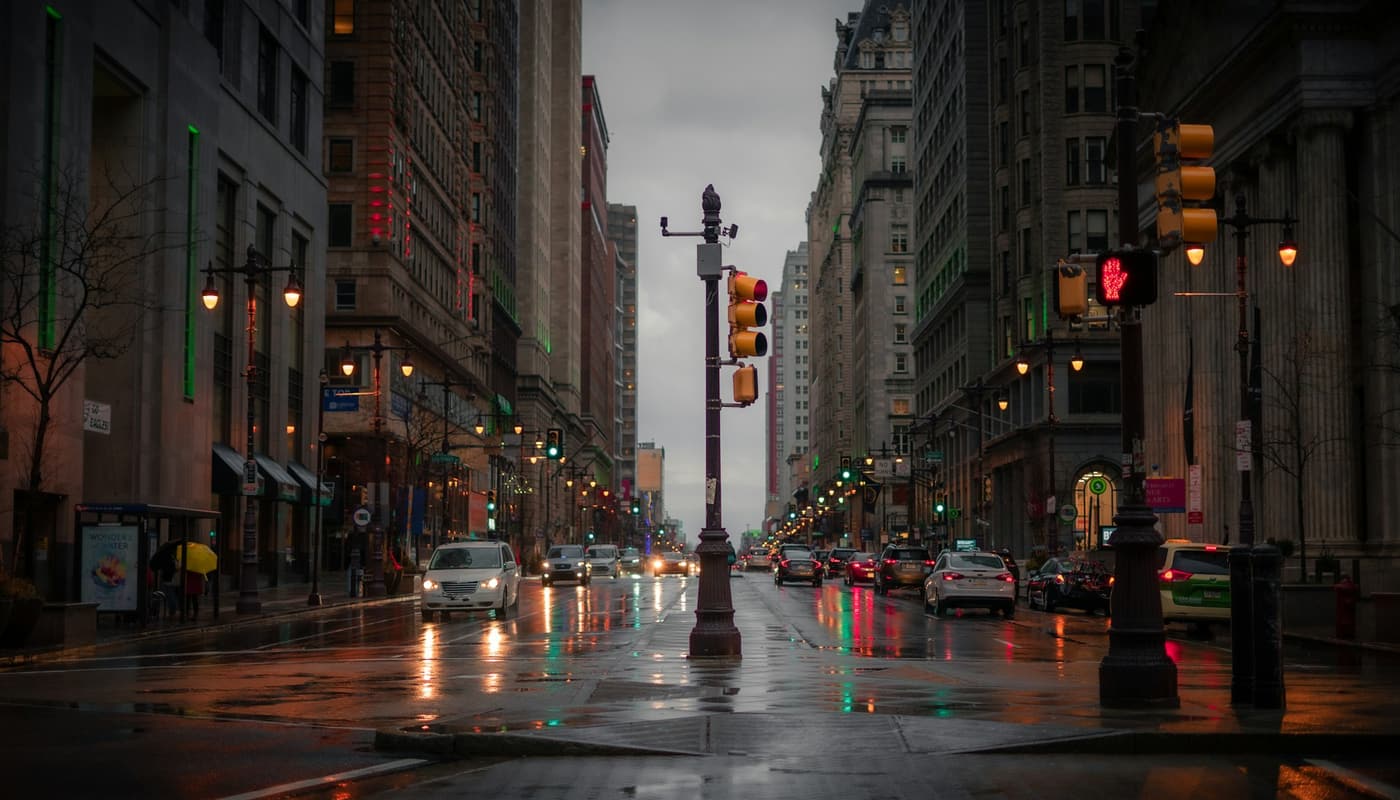
Bridges, overpasses, terminals, warehouses and docks rarely make headlines until something goes wrong. Yet they are the physical backbone of the economy, and their construction and upkeep involve some of the largest and most complex worksites anywhere. Where there is heavy equipment, hot work and stored material, there is also fire risk.
For project owners, contractors and port operators, the question is how to keep work moving while keeping people, equipment and cargo safe. One practical piece of the answer is a fire watch, used when protection systems are impaired or when hot work creates risks that ordinary site rules cannot fully cover. This article looks at how The Fast Fire Watch Company approaches those sites and what a project team can expect.
Why infrastructure sites are different
A typical office building has a single set of protection systems and a fairly predictable layout. Infrastructure and port projects are less tidy. They are spread over large areas, change from week to week and involve many contractors working side by side. Across the Gulf Coast, project teams planning for temporary coverage often speak with The Fast Fire Watch Company in Houston, TX when a job calls for patrols around hot work, temporary structures or impaired protection.
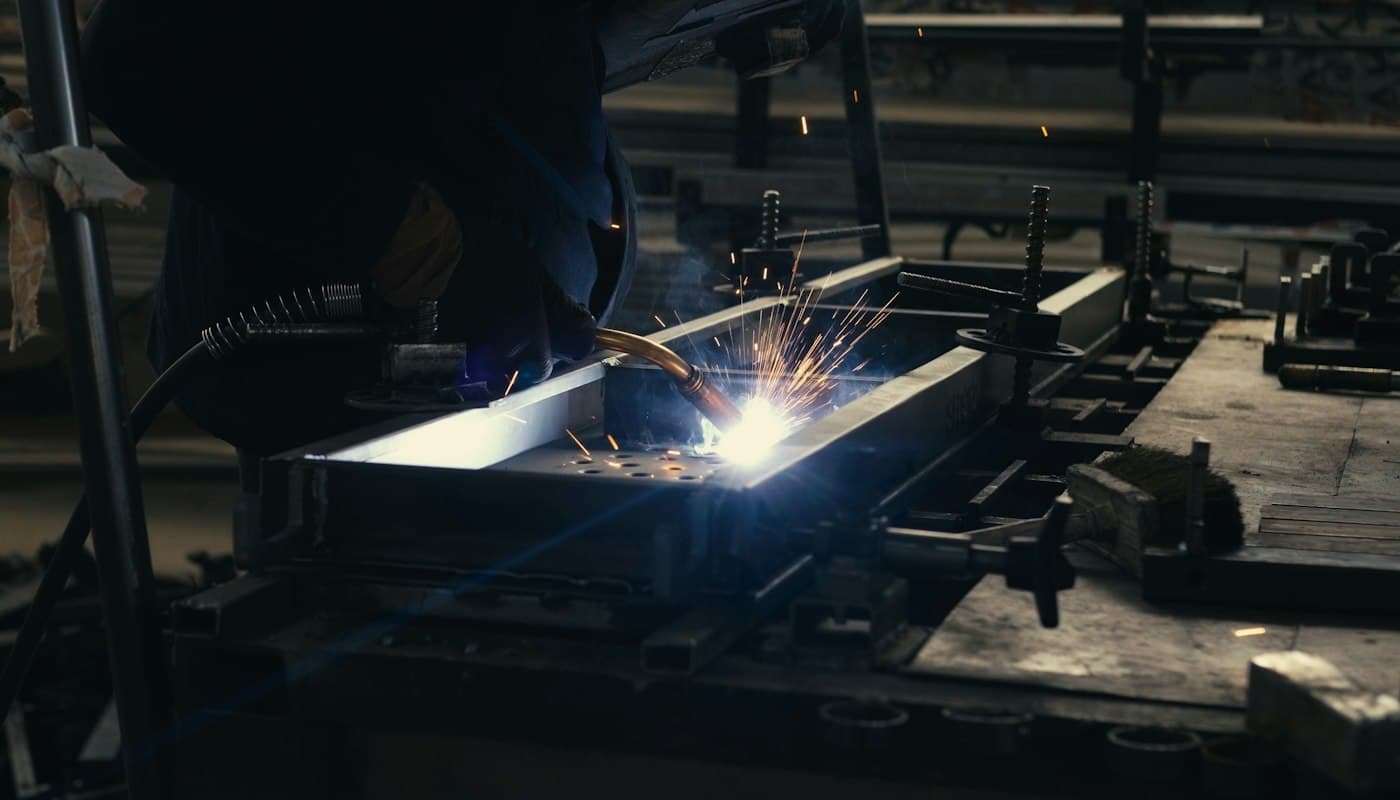
Several features raise the stakes on these sites. Cutting, welding and grinding are routine on steel structures, and sparks can drop through grating, travel along beams and land in places nobody is watching. Fuel, lubricants, paints and solvents are stored in quantity. Temporary buildings, site offices and storage containers may sit close together. Weather, wind and long work hours add further pressure.
Where a fire watch fits in
A fire watch is not a part of every project, but it often appears in specific situations. These include:
- Hot work. Welding, cutting and grinding near combustible material, followed by a watch after the work ends.
- System impairments. A terminal, warehouse or office building whose alarm or sprinkler system is out of service during upgrades.
- Temporary structures. Site offices, workshops and storage areas that lack permanent fire protection.
- Occupied facilities under renovation. Port buildings or transport hubs that remain open while work continues.
- Vacant or idle sites. Projects paused between phases, where nobody is present to notice a problem.
What The Fast Fire Watch Company says about ports and projects
The Fast Fire Watch Company lists maritime and ports, general contractors, federal contractors and construction among the industries it serves, and says it has arranged fire watch in all 50 states since 2019. It also says it deploys guards to U.S. ports including Los Angeles, Long Beach, Houston, Jacksonville, Tampa, Miami, Philadelphia and Seattle.
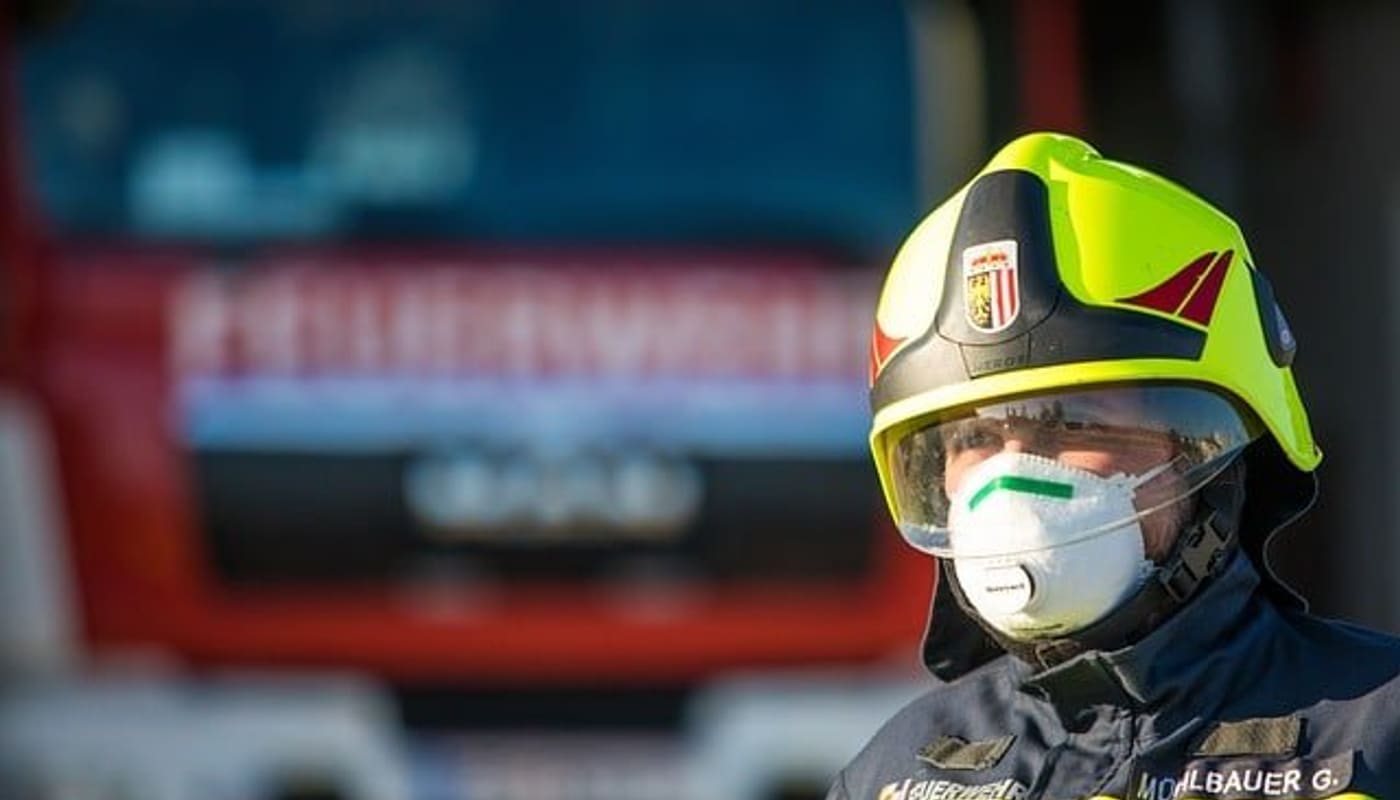
For a project team the useful details are the practical ones. The company says its goal is to get a guard on site in under three hours, that guards complete a site-specific safety briefing before starting, and that construction guards brief every crew before torch-down begins. It also offers a dedicated site contact and says extra shifts can be arranged when a schedule slips.
Records are logged with patrol times, the guard on duty, conditions observed, who was notified and follow-up actions, and organized for the project file and review by the fire authority.
Port environments bring their own concerns
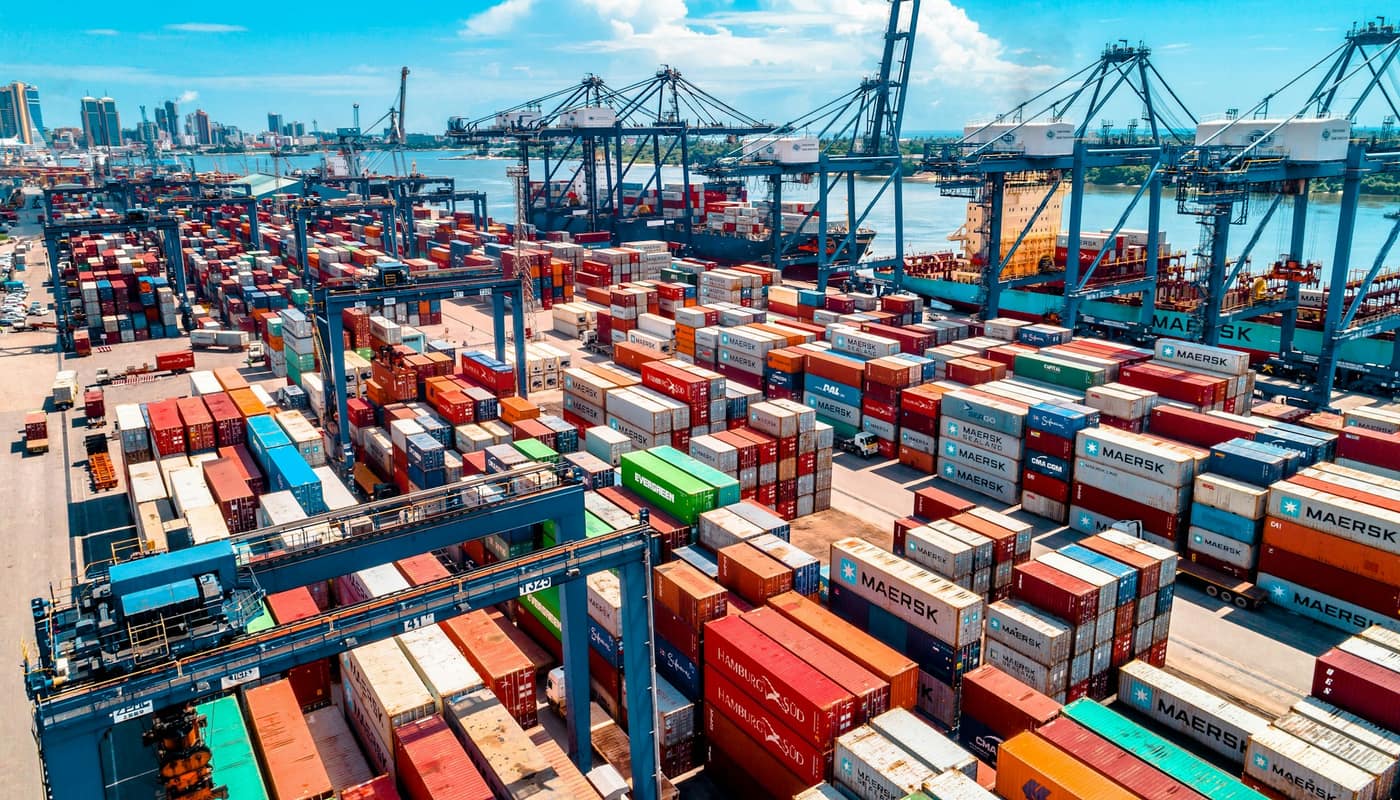
Ports combine heavy industry with constant movement. Cranes, trucks, forklifts and vessels operate close together, and cargo areas may hold a mix of goods that burn differently. Warehouses and container yards can be crowded, and some areas have limited access for emergency vehicles. Wind off the water can also help a fire spread more quickly than expected.
Not every area of a port is open to outside personnel, and access rules can be strict. Any fire watch on such a site must work within those rules, including security checks, safety training and restrictions on where guards may go. A good provider understands this and plans with the site operator, not around them.
It is also important to be clear about limits. A fire watch guard observes, records and reports. Guards do not operate port equipment, handle hazardous cargo or take over duties that require specialist training. They work alongside the site’s own safety and emergency teams.
Planning a watch for a project
Good planning begins early. Project managers can ask a handful of questions before the work starts:
- Which tasks involve heat, sparks or open flame, and where?
- Which fire protection systems are affected, and for how long?
- What does the local fire authority or site operator require?
- What are the access, safety and training rules for outside personnel?
- Who authorizes the watch, and who receives the records?
Answers to these questions shape the number of guards, the length of the patrol and the route. They also prevent the common problem of calling for help only after an inspector has asked where the fire watch is.
What a patrol covers
On an infrastructure or port project, a patrol may include work zones, material storage, fuel areas, temporary offices, parking and access roads. Guards look for sparks that have landed on combustible material, smoke from hidden spaces, damaged electrical cables, overloaded temporary power and blocked emergency routes.
After hot work ends, patrols continue for a set period, often at least thirty minutes and sometimes an hour or more, depending on the local rules. Guards check the work area and the spaces around it, including places where sparks could have traveled. Every round is logged with the time and location, and anything unusual is reported at once.
Timing, shifts and urgency
Infrastructure projects run on tight schedules, and delays can be costly. A failed alarm system in a terminal building or a last-minute change to a hot work plan can leave a site exposed with little warning. In those moments, Emergency Fire Watch Security helps teams keep working safely while a more permanent solution is arranged.
Longer projects need steady coverage. Fire Watch Services can be scheduled to match work shifts, and 24/7 Fire Watch Guard Services allow a site to stay covered overnight and through weekends, when equipment may still be hot and few people are present. Matching coverage to the schedule keeps costs predictable and avoids gaps.
Records and accountability
Large projects have many stakeholders, including public agencies, owners, insurers and lenders. Each may ask for proof that the site was managed safely. A written log of every patrol, with times, locations and observations, supports those conversations. It also helps the project team review what happened and improve its procedures.
Working across several locations
Many infrastructure and logistics companies work at several sites along the coast and inland. A contractor with a project in a major city and another near a southern port, where The Fast Fire Watch Company in Corpus Christi, TX can arrange coverage, can use the same procedures, forms and reporting style at each one. That consistency makes it easier to train site supervisors and compare results.
Choosing a provider
When selecting a provider, project teams should ask direct questions. How quickly can guards start? How are they briefed on site rules, access and safety requirements? What does the patrol report look like? How do guards communicate with the site supervisor? Clear, practical answers show that a provider understands the realities of a busy worksite.
Safety that keeps projects moving
Infrastructure and port projects are built to last for decades, but a single fire during construction can set them back by months. A fire watch is a modest, practical measure that adds attention in the places and moments when risk is highest. With early planning, clear roles and good records, it supports the goal everyone on site shares: finishing the job safely and on schedule.